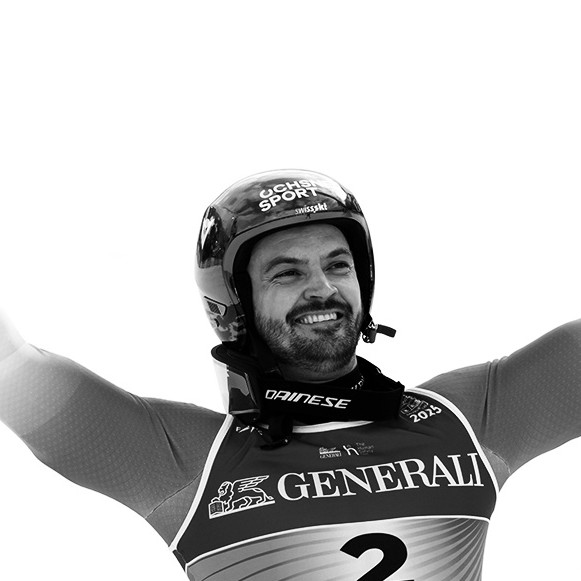


Loïc Meillard has been one of the most consistent and accomplished skiers on the international scene in recent years. A specialist in the various technical disciplines with the ability to compete in both the slalom and the giant slalom, the Swiss native, born in 1996 has built his career on a journey marked by progressive growth, thanks to solid results, continuity and consistent work. His list of accomplishments includes World Cup victories, World Championship medals, including two golds, and a specialty World Cup in 2020 - achievements that have put him firmly at the top of Alpine skiing.
Raised in the mountains and put on skis from a very young age, Meillard has always experienced the sport as a natural part of his daily life, even before it became a career. An approach that is clear even today, despite the successes he has achieved: at the center remains fitness and preparation, the ability to adapt to the conditions, and attention to detail, rather than the outcome for its own sake.
In this interview, Meillard talks about his relationship with skiing, beginning with his early experiences, and moving through the physical and mental preparation that precedes a race, before addressing the issues of safety and equipment, elements that are increasingly central to a sport that is characterized by high speeds and very narrow margins for error. From the value of putting in the daily work versus raw talent, to how to manage pressure and the role played by modern protective equipment such as the Dainese D-air® Ski 2 Evo airbag, a portrait emerges of an informed, clear-thinking and pragmatic athlete.
Loïc, at what age did you start skiing, and what is your first memory related to this sport?
“I started skiing when I was two years old. Honestly, I was too young to really remember it, but there are pictures, and looking at them brings back a few snapshots. The first real memory I have, though, is skiing with my family during the vacations, trying to keep up with them.”
What would you have done if you had not become a skier?
"I can’t really see myself in a traditional job with office hours. I like being in nature, breathing fresh air and moving. In any case, the idea of skiing has always been there for me, so I never really questioned what I could have done differently.”
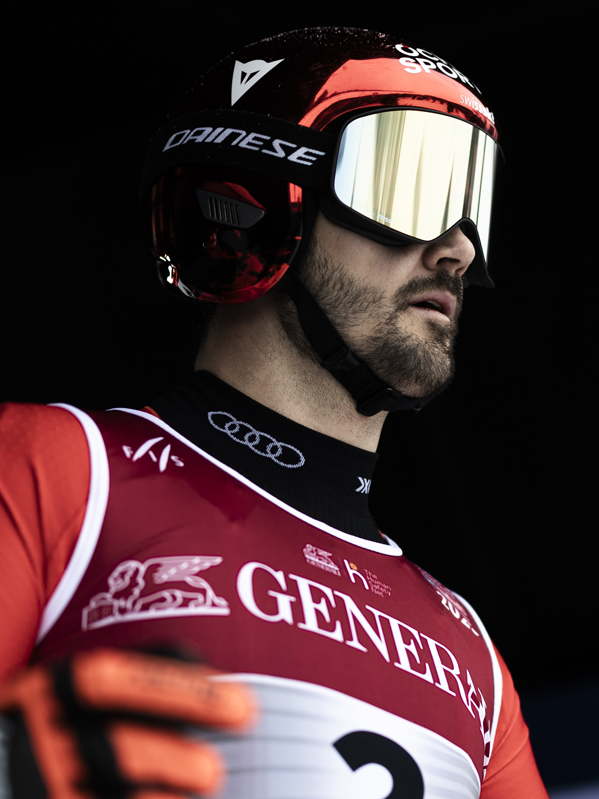

How do you prepare before a competition, both technically and physically?
"Preparation begins a few days before the competition and is also calibrated according to the specific event, the characteristics of the slope and the snow conditions on the day. The day before is mostly devoted to rest. It’s important to prepare mentally too, because the day of the race is long: I concentrate on breathing, I try to relax and not to think about the outcome or my surroundings, but just focus on myself.”
What counts more today, talent or hard work?
"Hard work counts more. Talent can help you win a race or be fast on some occasions, but if you want to stay at the top for ten years and be on the podium on a regular basis, you have to work, and focus on continuously improving. Work beats talent: it gives you longevity as an athlete and allows you to always progress.”
What is the most important lesson you have learned in your career so far?
“Believe in yourself and never give up. There are difficult times when you doubt yourself and wonder if the direction you are taking is the right one. But you must not give up, even when you achieve a good result, because after one race there’s always another. You have to keep working in every situation, striving for constant progress: Every day is an opportunity to improve. Even pauses in training, or longer race times that expected are part of the journey, and they make the end result, when it comes, all the sweeter.”
You have won World Championships and one World Cup: How does it feel to be the best in the world?
"For me, nothing changes. I'm still the same guy and I have to keep working in the same way. The excitement you experience in the moment with the team is incredible, because you realize that the hundreds of hours of training have paid off, and that all the work you’ve put in, through the ups and downs, has come to fruition. The excitement remains, but it does not change who you are: above all, the satisfaction of having worked hard is what stays with you.”



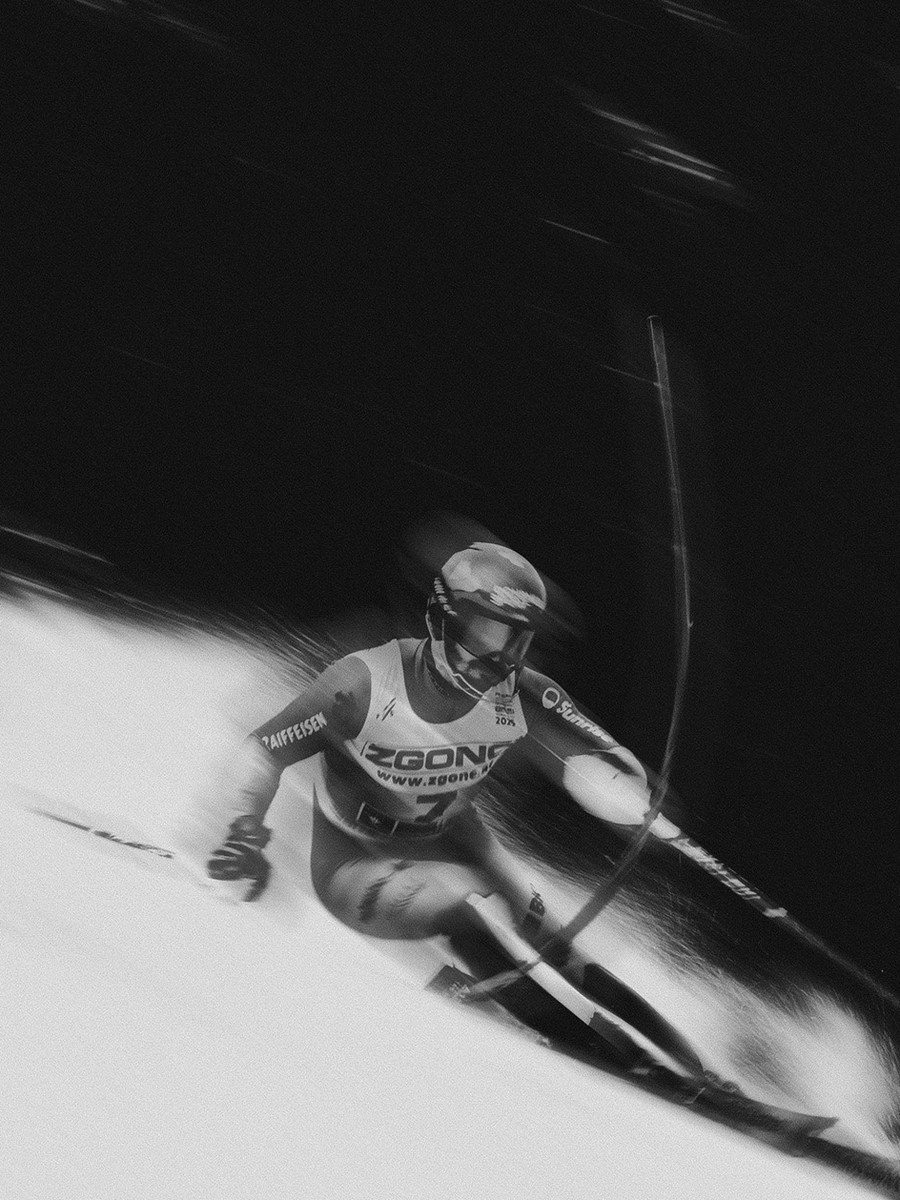
When you ski, how much is instinct and how much is conscious control?
"I try to rely on my skills and what I worked on during preparation. If I think too much, I'm usually not fast. I let my body do what I taught it. In some places, however, you have to use your head: It's about finding the right balance.”
What advice would you give to a young person who dreams of becoming a professional skier?
"Never give up on your dreams, work hard and surround yourself with the right people, who know how to help you. Above all, enjoy the journey, because success, even when it comes, is short-lived: just the first few minutes or hours after the race. But the road to get there is long, with many days of often solitary work, and it’s important to be able to appreciate that part as too.”
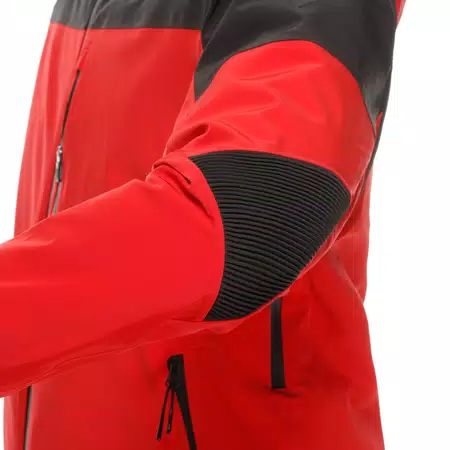
We’re Dainese, so let's talk a little bit about ski protection. How do you feel about the Dainese D-air® Ski 2 Evo airbag you use in the Super G?
"It’s certainly a step in the right direction. It’s something that allows us to ski more safely and feel more comfortable. This is the only way we can improve, and push our limits a little further. Knowing that you are protected in case of a fall is very important.”
What could still be improved in terms of safety?
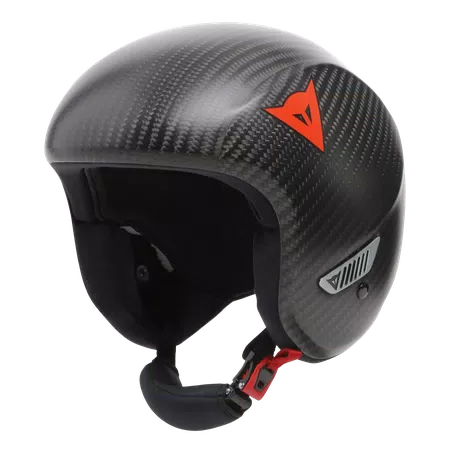
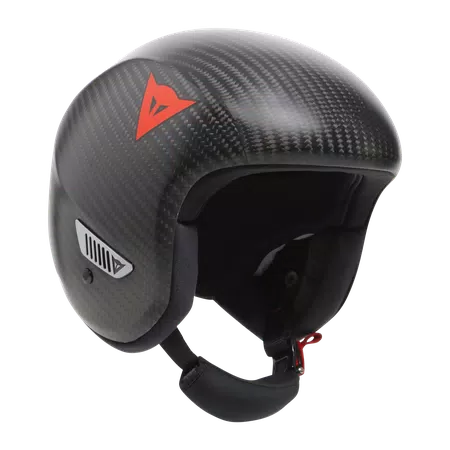
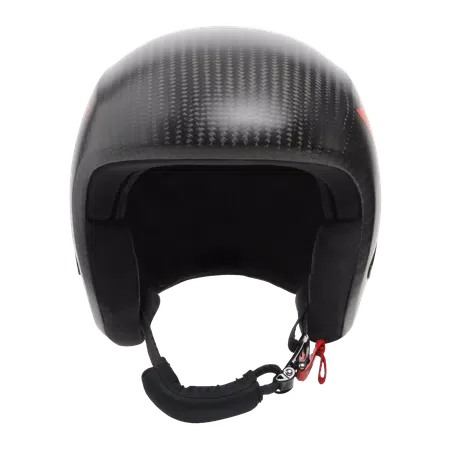
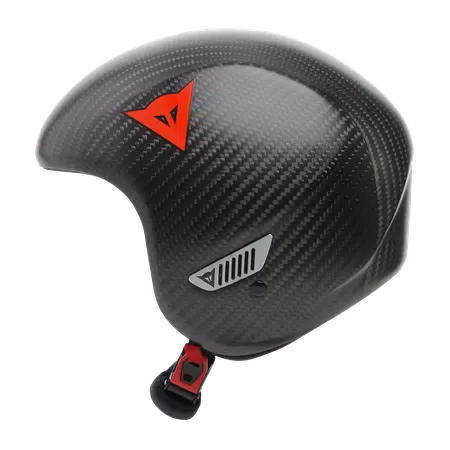
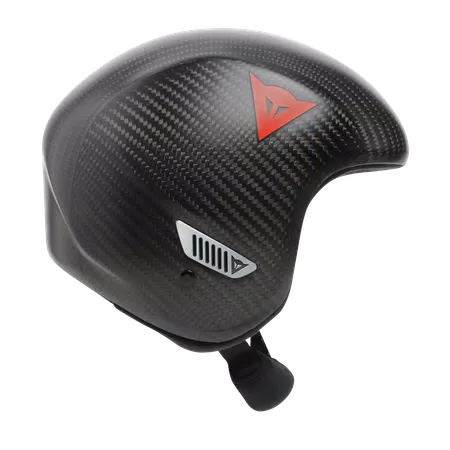
"There’s always something more that can be done. We can also learn from other sports, such as the MotoGP™, with regard to helmets and protective gear, for example. Airbag coverage could be extended to other parts of the body. That said, safety on the slopes also depends a great deal on those running the competitions, the snow conditions, and the ability and willingness to stop a competition if conditions are not appropriate or fair. It should also be said that skiing at 100 or more kilometers per hour in a lightweight suit and skis that are as sharp as blades will always involve risks: it's part of the deal, and we accept it.”
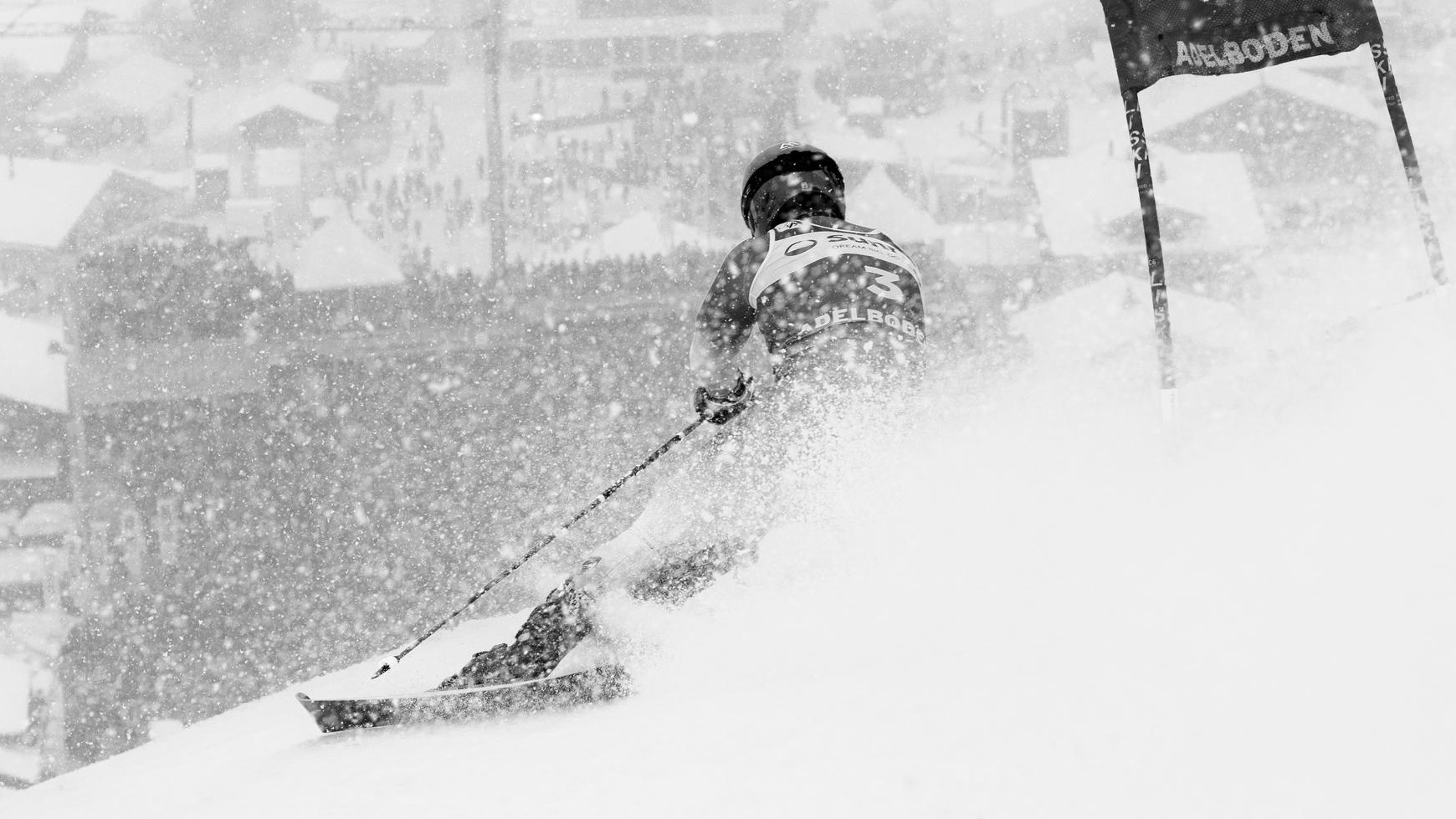
Do you think that the protective equipment has improved from a few years ago?
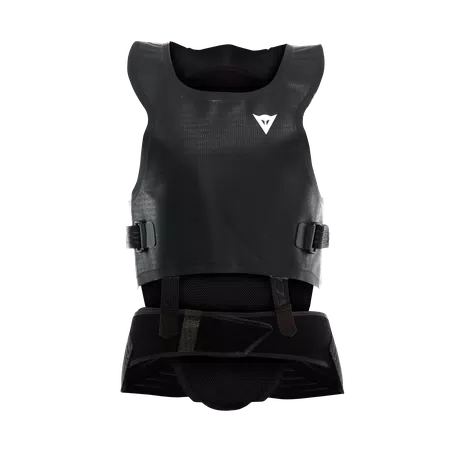
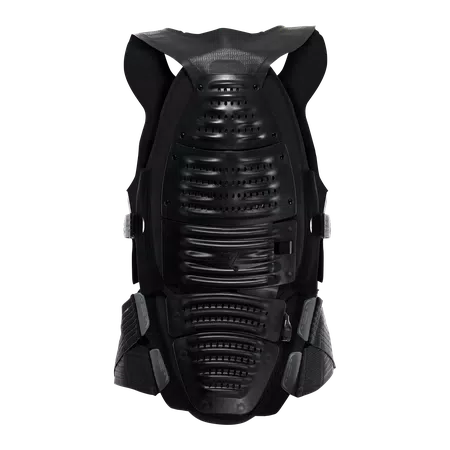
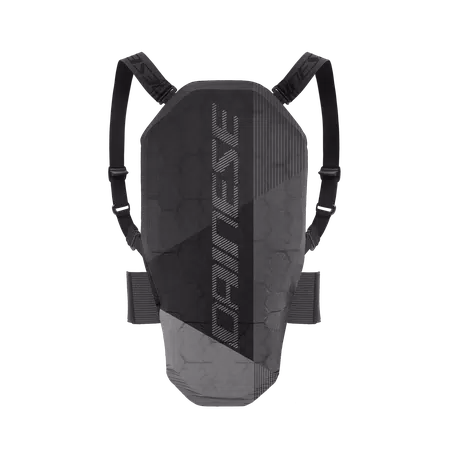
“Yes, in addition to the arrival of the airbag, helmets and back protectors have also improved. Now we also have cut-resistant undersuits, which are a further step forward. All of this is crucial, because if you don't feel confident and comfortable at the start, you can't push and express yourself at your best. You need confidence in what you wear.”
Are you ever afraid?
"At times, but fear usually makes you slower. It’s not about eliminating it, but transforming it: you have to respect the piste, be aware of hidden dangers and of your speed. However, it must not become something that paralyzes you; you have to be able to use it to your advantage.”
Is there any aspect of ski safety that is still not given as much consideration as it deserves?
"Piste preparation is not always given proper consideration. In terms of equipping the athletes, however, I think we are well on our way. At any rate, it’s an ongoing process of refinement: with the modern helmets and airbags, the level is already food, but we can always improve the overall integration of the gear, for example in terms of neck protection.”
How do you keep fit during the summer?
"I train constantly, six days a week. There are many hours of hard work that no one sees, and it is part of the journey. It’s not always easy: you have to put in a lot of effort, work on increasing your strength and preparing your body for what it’ll face during the winter, whilst bearing in mind that training away from the slopes is never the same as actually skiing.”
What is your next goal?
"To be fast next weekend and always give it my all!”