Choosing mountain bike shoes is a crucial step in our preparation, because much of bike control on rough terrain starts right from the foot. In downhill and enduro, the gravity disciplines, the most important phases of racing are the ones with a standing riding position, when the points of contact between rider and bike are hands and feet only. We’re interested in the latter. In non-competitive MTB use, like trail or all mountain, the same applies – downhill, you achieve real bike control by riding in a standing position.
Choosing the right mountain bike shoe is complicated. Often we look to what our favorite athletes do, but what’s best for them isn’t always the best for an amateur. Let’s take a look at the different possibilities.
MTB trail, enduro or downhill shoes and cross country shoes – the differences
The first and most important distinction to consider is between cross country shoes and trail, enduro or downhill shoes, which we’ll deal with in this guide. Let’s briefly describe the difference between the types:
- In cross country, the difference is made mainly by hard pedaling uphill – we need shoes that are lightweight and capable of transferring maximum power from our legs to the pedals. A typical XC race also lasts only a short time, so comfort tends to become less absolutely important. In fact, there’s a tendency to shave off a few grams at the expense of comfort.
- Enduro or downhill mountain bike shoes have opposing requirements, basically. You pedal in enduro, but most of the climbs aren’t timed so they’re tackled in a relatively relaxed manner. The race, on the other hand, is decided downhill, where you ride only on your feet. Enduro races also last several hours – it means that comfort takes a leading role in putting athletes at ease. The same applies to amateur outings – it’s normal to spend half a day or more riding. A downhill run, on the other hand, lasts only a few minutes, but the need for downhill performance is the same, and gravity shoe models are usually suitable for both uses.
- In the middle are trail MTB shoes, which are generally more comfort-oriented than XC shoes but with less need for protection and performance downhill than gravity shoes. Generally speaking, people who mainly do ‘trail’ mountain biking are amateurs, who don’t pay attention to the stopwatch, as competitors in other disciplines may. For this reason, MTB trail shoes are less extreme from every angle, often comfortable for walking.
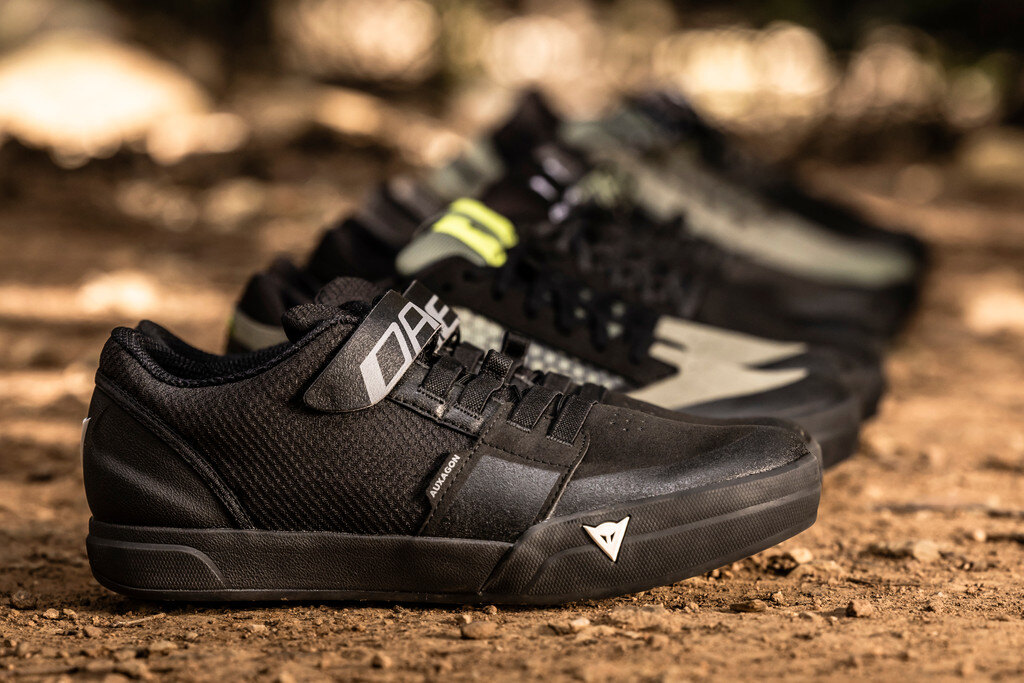
HG Materia Pro
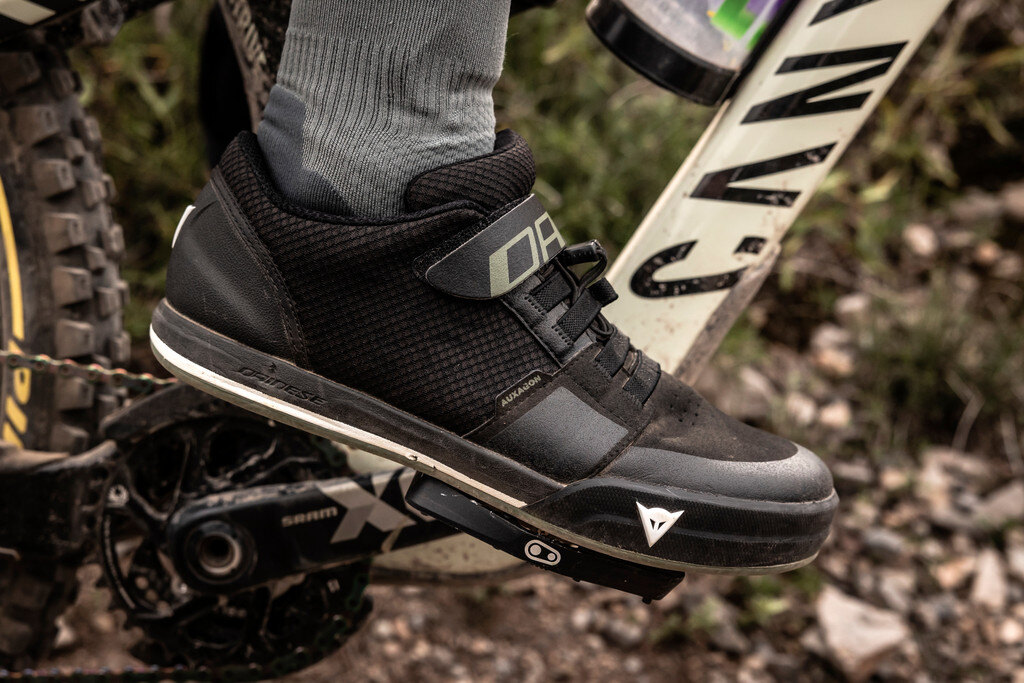
HG Acto Pro
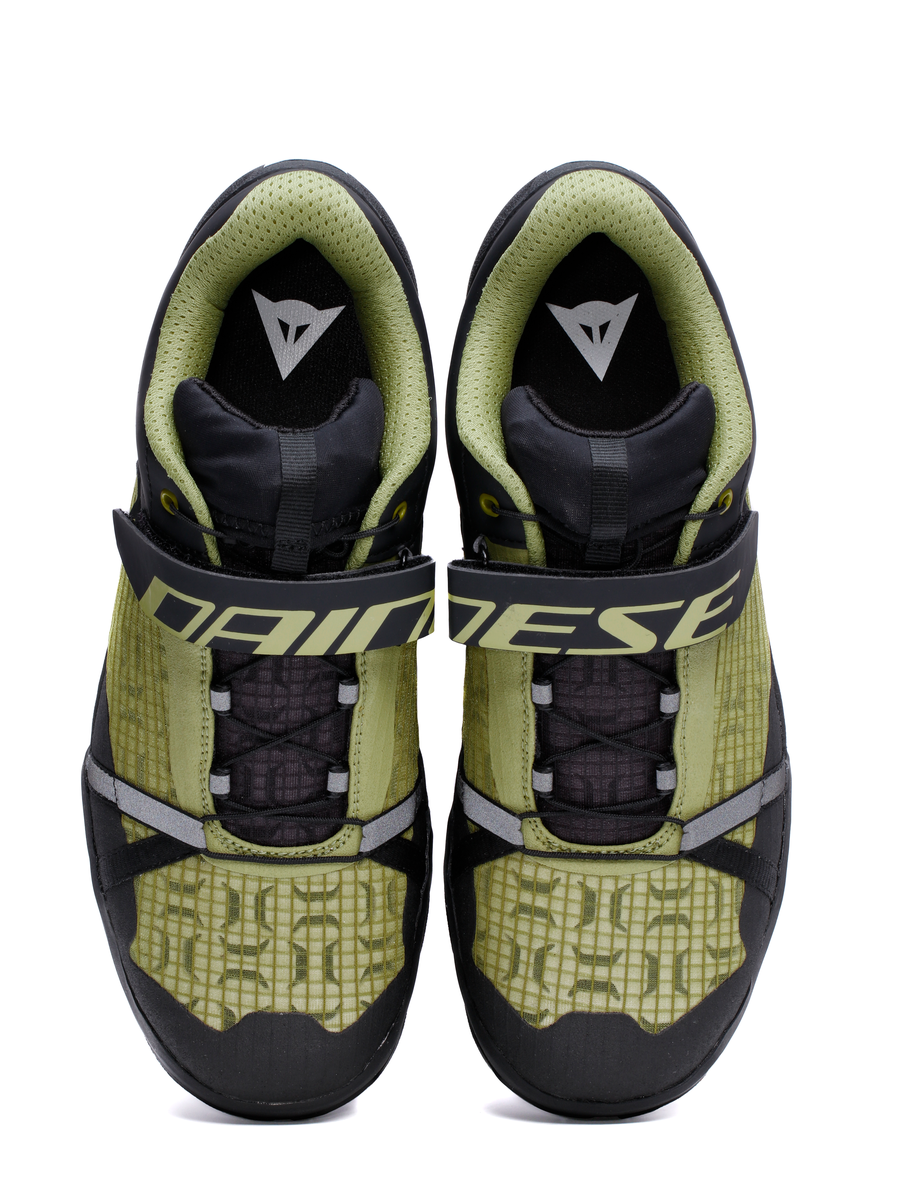
HgIMPULSO
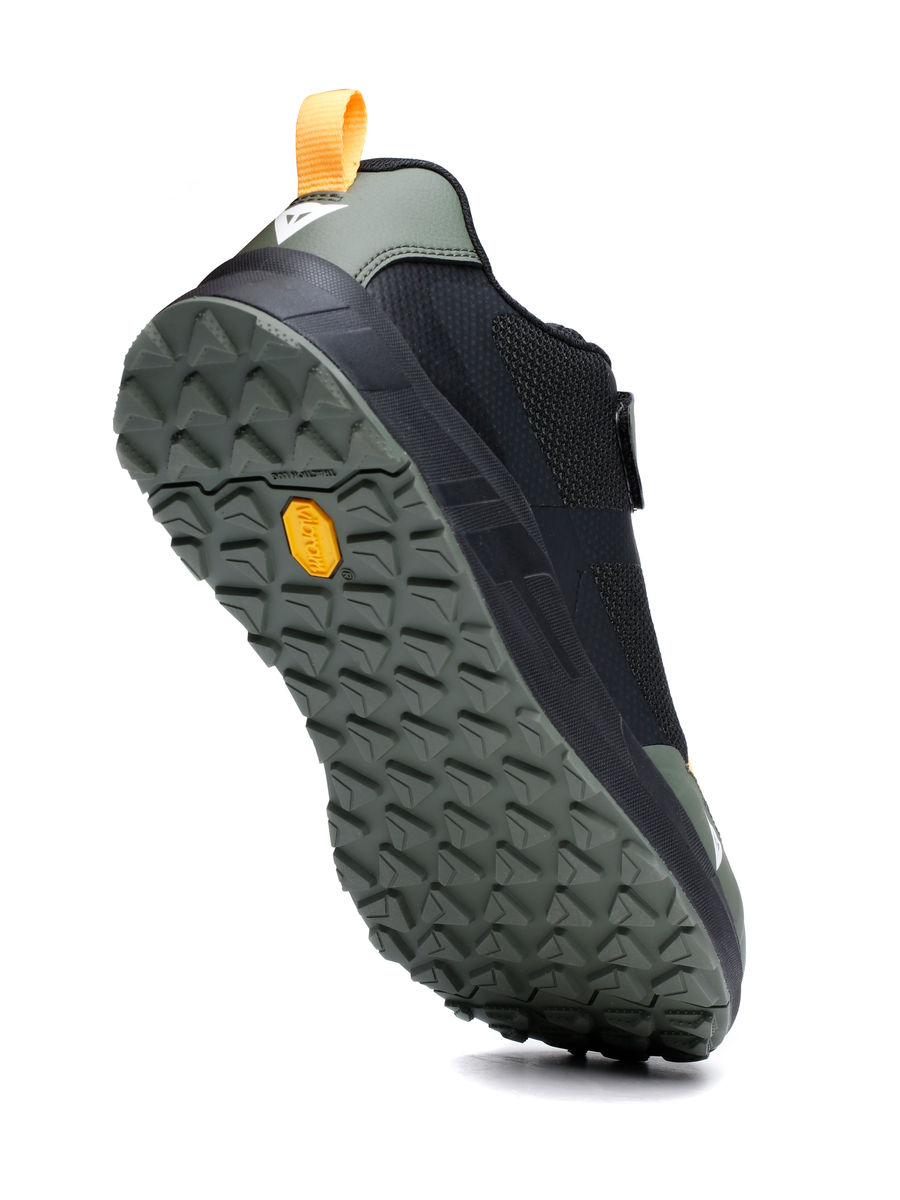
HgITINERA
Flat or clipless pedal shoes?
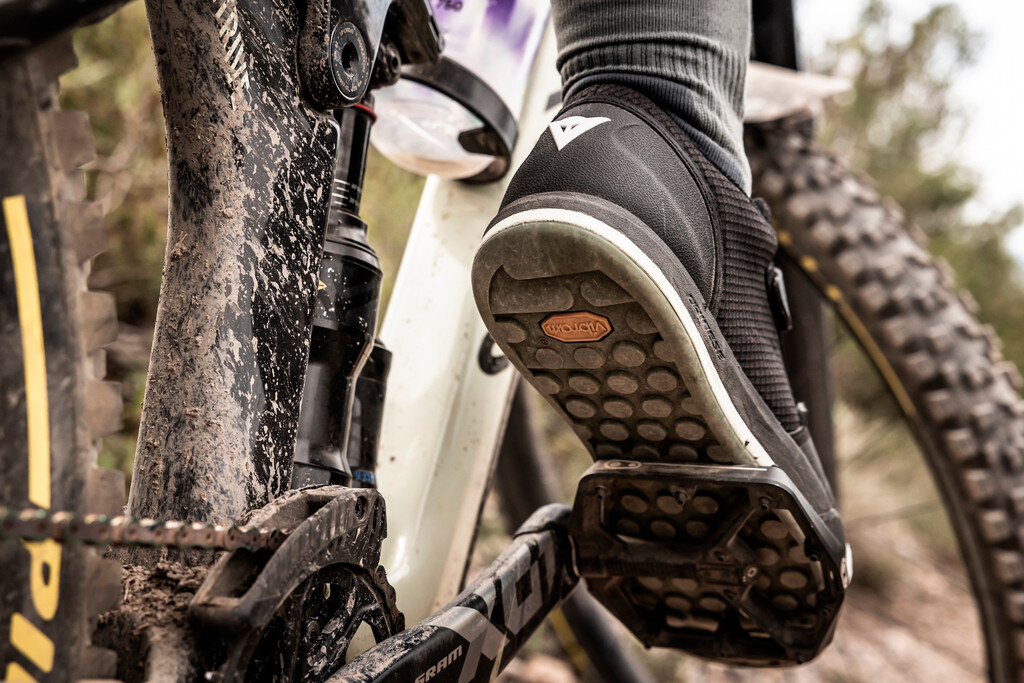
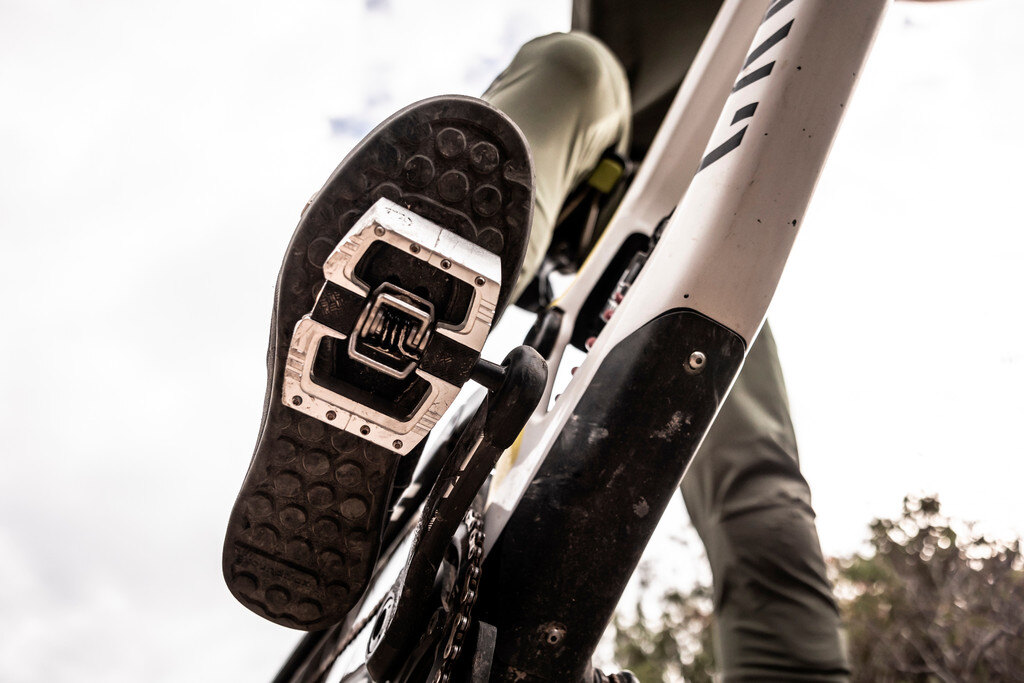
Getting into the nitty-gritty of choosing trail, enduro or downhill shoes, an important factor is the sole, inevitably linked with the pedal, which has to be compatible – flat or clipless? Here is a brief explanation of the meaning of the two terms. Mountain bike shoes for flat pedals are named that way because the point of reference is a flat pedal, with no attachments. The grip of the sole is ensured by the rubber compound and pins on the surface of the pedal, pins about a 16th of an inch high that penetrate the sole and guarantee control.
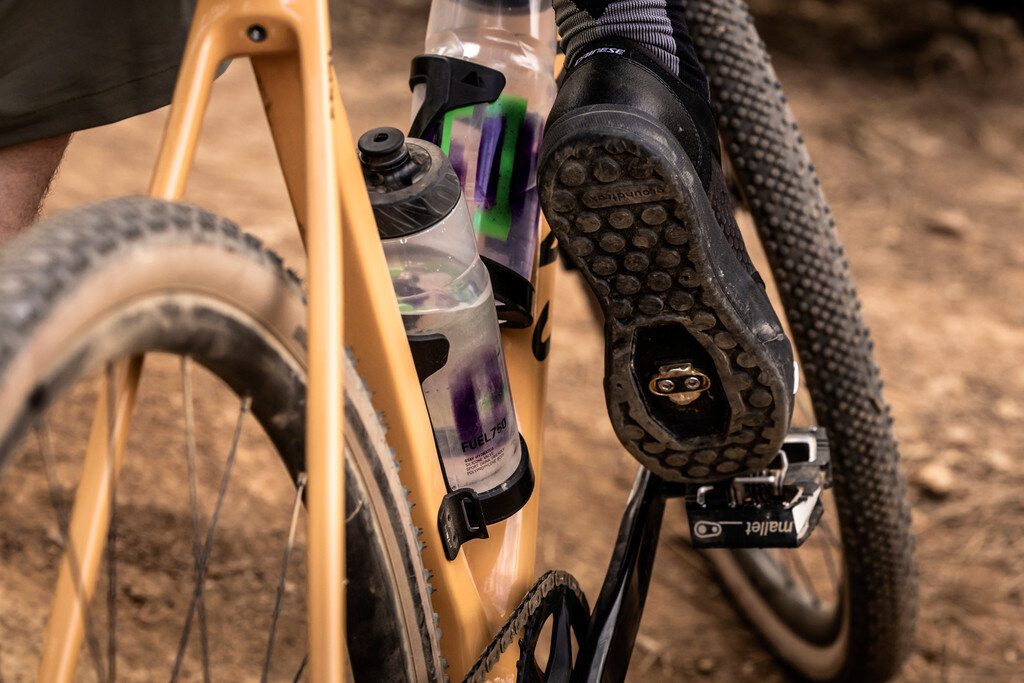
The term ‘clipless’ is less intuitive. In the early days of mountain biking, some raced with the classic toe clip cage pedals you put your foot in. People soon realized it wasn’t the best solution because it didn’t allow the foot to be released immediately in dangerous situations. It was at that point that the SPD mechanism was invented, with a system of cleats and springs that allows the pedal to be released with a simple outward motion of the ankle. These new pedals were called clipless since they did away with the toe clip system.


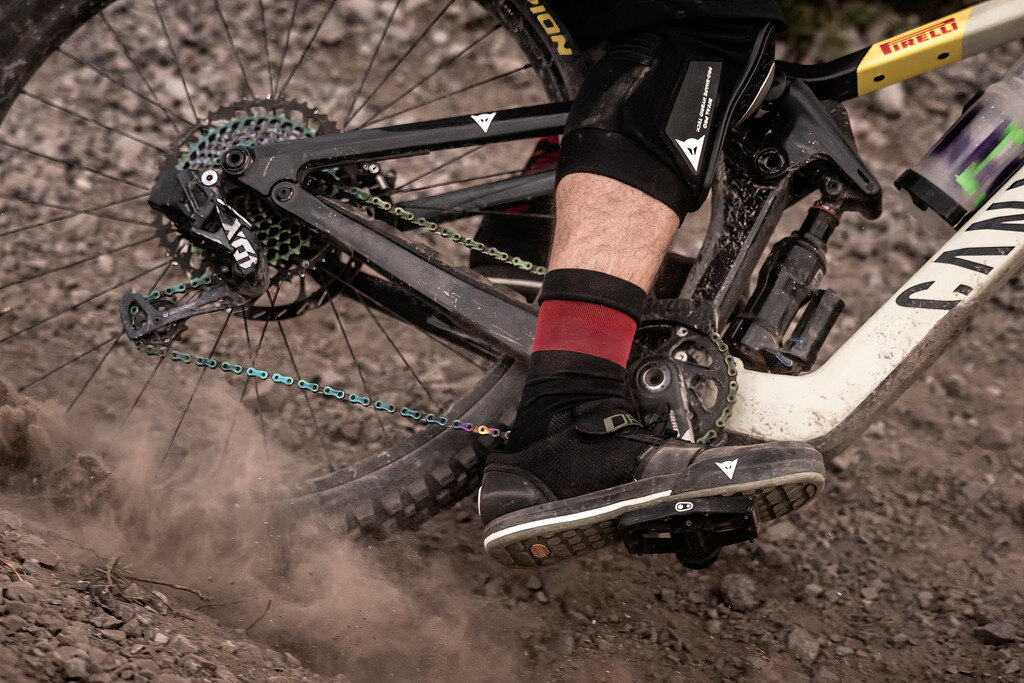
HG Materia Pro
HG Acto Pro
HG Materia Pro
HG Acto Pro
Flat or clipless MTB shoes – what sole to choose?
Mountain bike shoes for flat pedals are the easiest to use, especially for those who are getting into the sport. The steepest sections of the trails can be intimidating; having your foot locked can lower confidence for people without much experience. Flat-soled shoes are also significantly more comfortable for walking, especially if on rocky or uneven ground.
Pushing a bicycle isn’t such a rare occurrence, especially for people fond of long trail and all-mountain rides, where you always might have to deal with some overly steep sections on foot, or for people who alternate pedaling with hiking, combining mountain biking with visiting places. So looking for a comfortable MTB shoe for walking can be a smart move.
Clipless shoes, on the other hand, are usually for more performance-oriented riders. They provide an otherwise unattainable connection with the bike. The foot locks onto the pedal and they let you safely tackle jumps and complex maneuvers that would otherwise risk losing contact. But clipless mountain bike shoes aren’t only for riders with particularly advanced technique. For example, anyone converting to a non-extreme discipline like trail after years on a cross country bike will already be used to this type of shoe, which is a necessity in XC.
It’s another matter with very muddy outings, where clipless pedals might have problems reengaging, which might force us to ride with shoes disengaged, a situation to be avoided as far as possible because it doesn’t guarantee good control of the bicycle. So in heavy mud, even a rider who usually uses clipless pedals and shoes might convert to flats.
The choice of one over the other doesn’t come down to the rider’s skill level alone. True, if we looked at professional athletes we’d notice that the vast majority of them use clipless pedals and shoes, but the case of Sam Hill is famous, a multiple downhill champion who has also gone down in history for always using flat pedals and shoes. However, he’s the only one that comes to mind at the highest level.
It’s another matter with very muddy outings, where clipless pedals might have problems reengaging, which might force us to ride with shoes disengaged for a stretch. That’s a situation to avoid wherever possible, because it doesn’t guarantee good control of the bike, above all if the route has technical sections. So in heavy mud, even a rider who usually uses clipless pedals and shoes might convert to flats. For that matter, a periodic refresher – i.e. training – on how to ride with flat pedals can benefit even the most experienced riders.
How is a mountain bike shoe made?
Now let’s see what the components of an MTB shoe are to help us make the best choice of footwear for our requirements.
HgIMPULSO
HgIMPULSO
HgITINERA
HG Acto Pro
HG Acto Pro
HG Materia Pro
How is a mountain bike shoe made?
Now let’s see what the components of an MTB shoe are to help us make the best choice of footwear for our requirements.
The sole
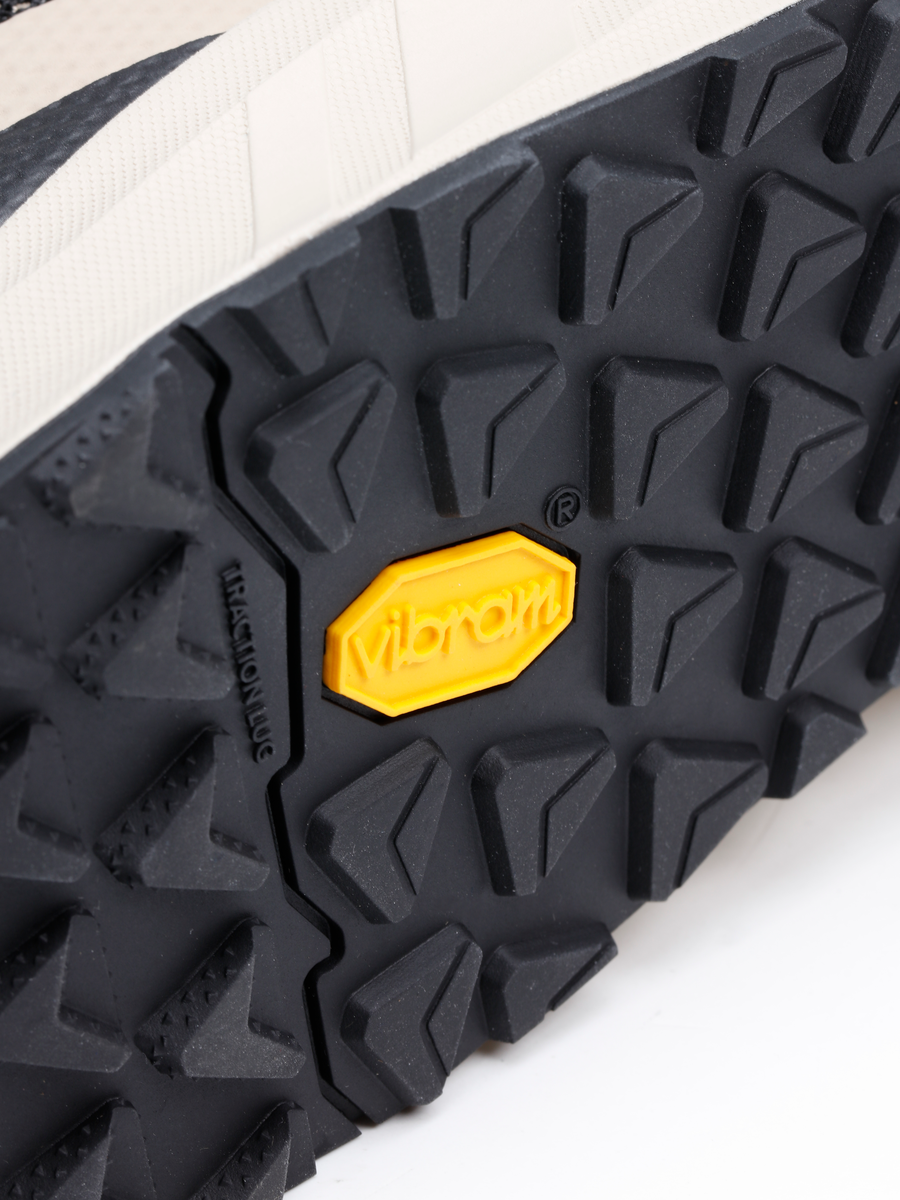
As explained so far, the sole perhaps has the most important role out of all the components of a mountain bike shoe – one way or another, clipless or flat, it has to ensure that we have perfect control of the bicycle. But it’s not just a matter of grip or, in the case of clipless shoes, the cleat.
In all MTB disciplines a certain stiffness of the sole is fundamental. If this isn’t taken to extremes in trail riding, it absolutely is in enduro and downhill, since much of the body’s weight rests on the feet, and therefore the soles, when riding downhill. A sufficiently stiff sole means the foot and leg muscles don’t have to “work overtime” to keep us in the best position. On the contrary, it reduces unwanted bending or twisting under stress. On the other hand, a sole that’s too stiff would be uncomfortable; that makes it necessary to make the appropriate compromise for your needs, whether they relate more to outings with friends or to the world of racing.
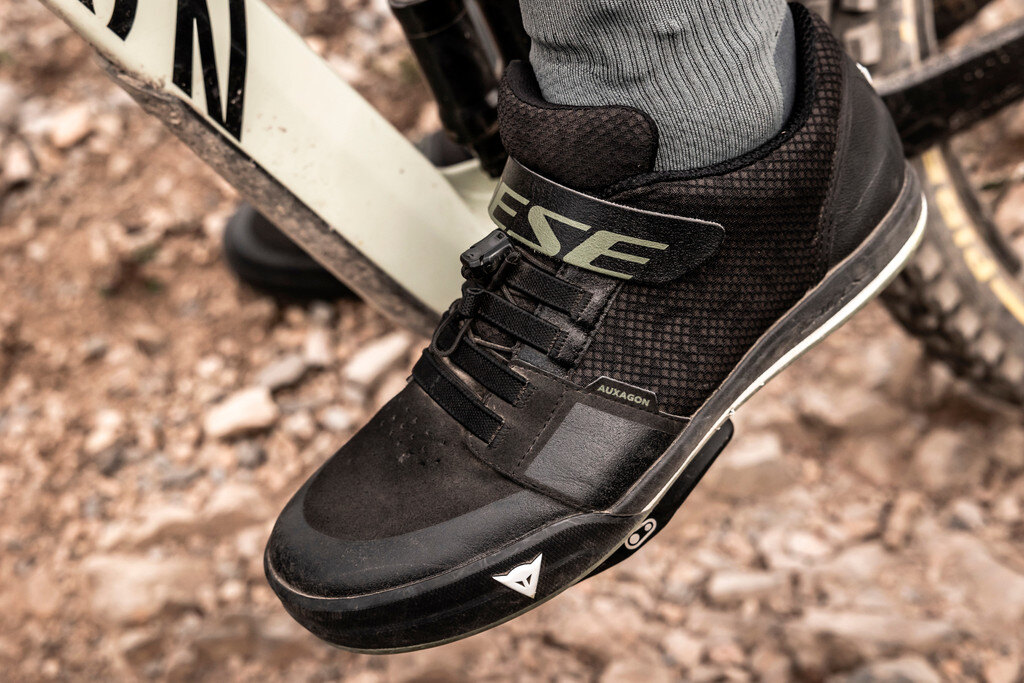
HG Acto Pro
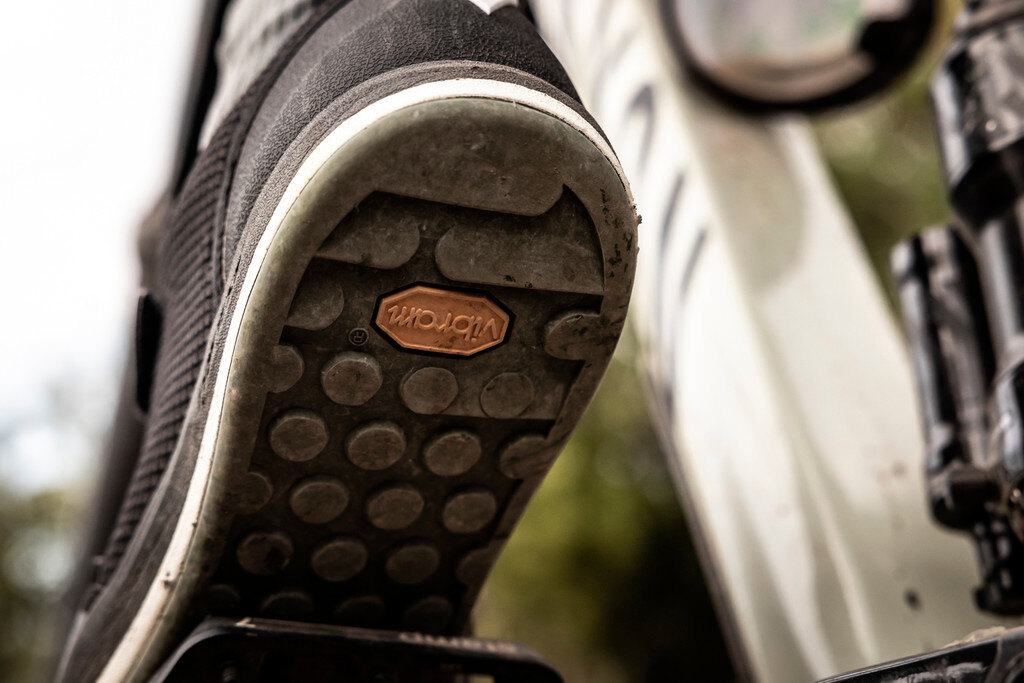
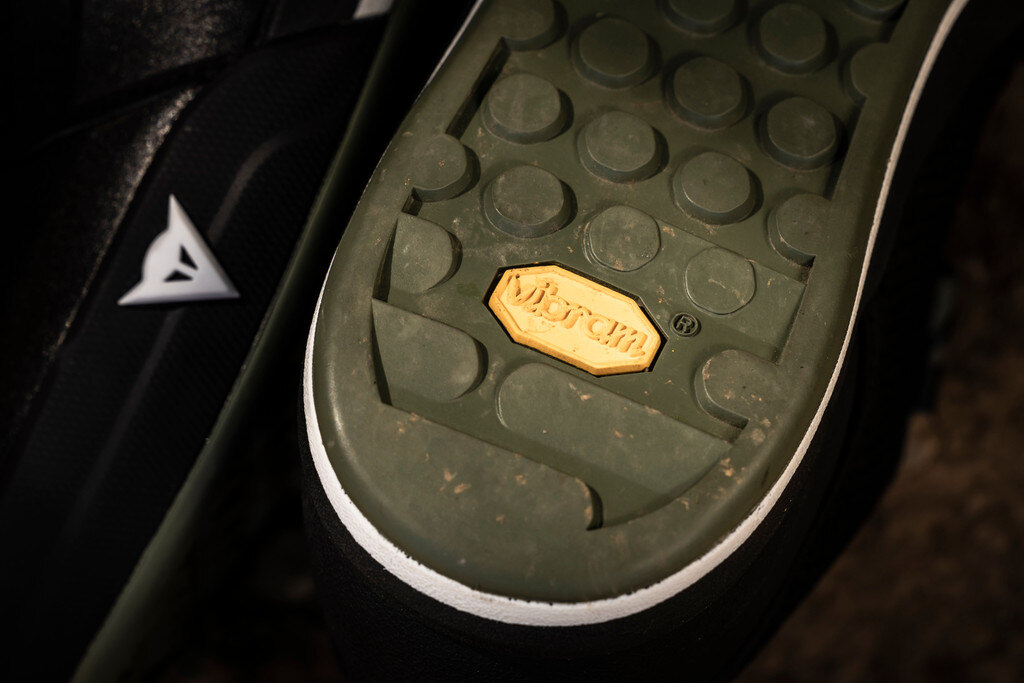
In addition to the structural rigidity of the sole, in the case of flat shoes the rubber compound used in the layer in contact with the pedal is also very important. It has to achieve the right point of balance between softness and durability. A very soft rubber ensures great grip on both the pedals and the ground, but if it’s too soft it will tend to wear out quickly.
In the case of clipless shoes, the sole compound is less relevant because the sole doesn’t rest on the pedal, even on ones with a platform, and contact is ensured by the locking mechanism alone.
The upper
The upper is the upper part of the shoe, the one that wraps around the foot. It has to be firmer than the one for a regular sneaker, both because of the need to control movement and for protection in case of impact. You don’t need to fall to knock your feet against stones or roots.
Particularly when choosing mountain bike shoes for enduro or downhill, it’s a good idea to look for models made of reinforced materials like EVA, a high-density sponge characterized by great strength and compactness even in layers with minimal thickness. On gravity MTB shoes, other reinforcements are present in the toe area and at the heel.
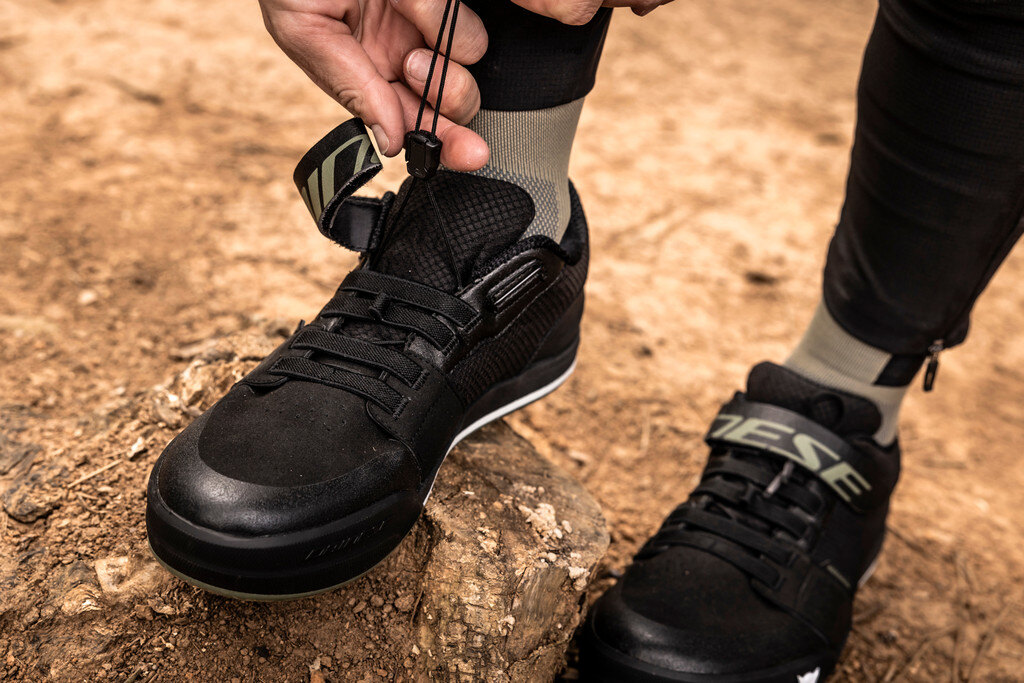
HG Acto Pro
The fastening system
When choosing mountain bike shoes, different fastening systems should be considered, each with their own pros and cons. The most classic is traditional laces – the main advantage is their simplicity. In any condition, even mud, they can easily be undone and retied; they can always come undone on their own, but a simple double knot will be enough to remove the risk.
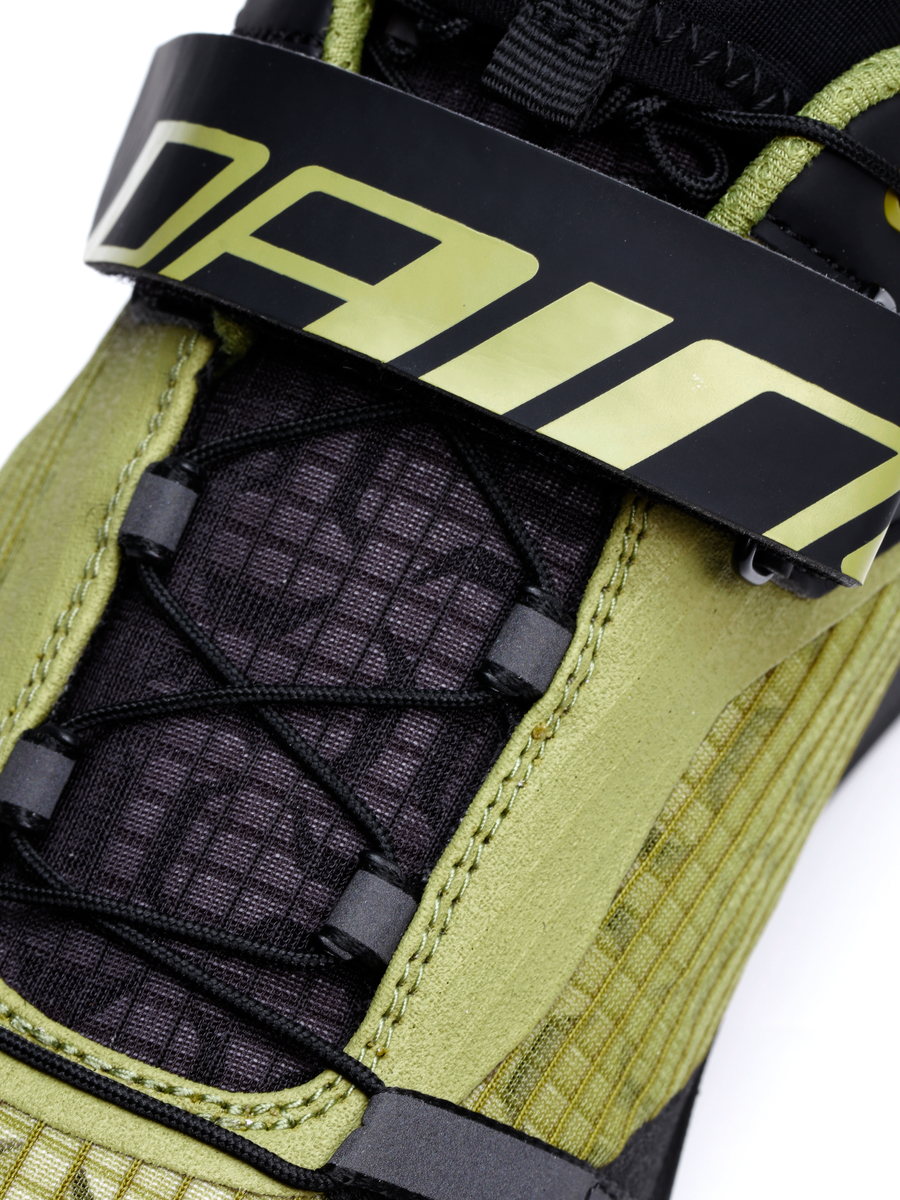
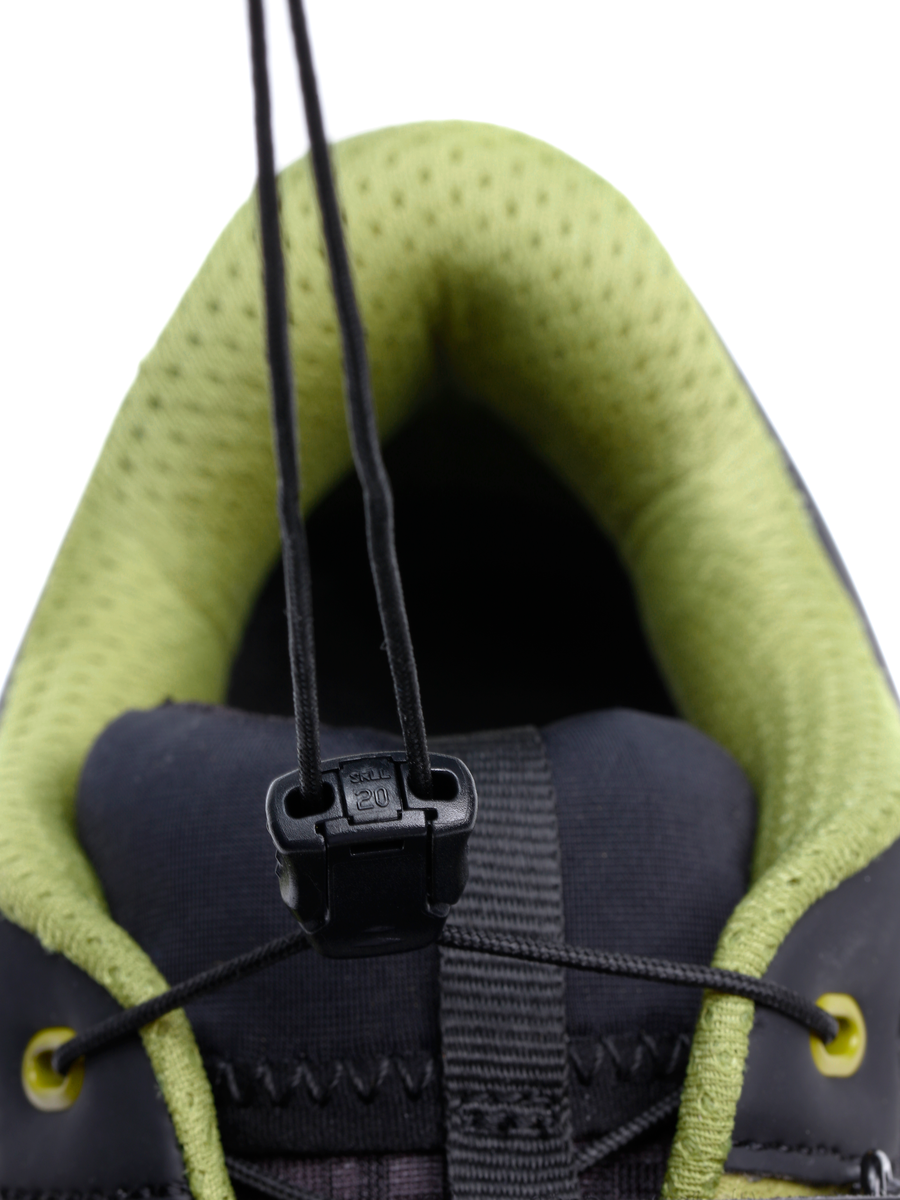
A more modern solution is the quick-slide lace, which can be adjusted according to the volume of the foot in no time at all. This is the system used on Dainese’s Hg MATERIA PRO, Hg ACTO PRO and HGImpulso shoes called the PER-FIT System (Precision Elasticated Retaining), where the lace works in synergy with a Velcro strap, which can also be adjusted as desired; the system as a whole ensures optimal foot containment and perfect stability for the shoe.
Other effective fastening systems used on mountain bike shoes are ones with a rotor or ones with Velcro bands only. The latter is the simplest, especially common on shoes with aggressive price points. Rotor systems are instead more sophisticated, the best known being the BOA®-branded system. The rotor stretches a cable that runs along the instep area, adjusting the width of the fit and distributing pressure evenly.
All things considered, it isn’t easy to choose the right mountain bike shoes for your needs and – as in many areas – experience accumulated over years of activity allows you to navigate with confidence. Otherwise, the best strategy will start with clarifying how we’ll use our bike so we can orient ourselves among the many possible features. Then, if possible, try on more than one model, to test the fit relative to the shape of our foot.