

When purchasing a new ski jacket, it’s essential to evaluate the materials that determine its performance and comfort on the slopes. The main elements to consider are two: The waterproof and breathable membrane, which protects from snow, rain and wind while allowing internal humidity to disperse, and the type of padding, which can be natural or synthetic, responsible for thermal insulation and for the garment's ability to retain heat.
Both have decisively influence lightness, breathability and level of climate protection, and can vary greatly depending on the technology used. Knowing the differences between the various solutions – natural or synthetic – is the best way to choose the ski jacket best suited to your use and the conditions you face in the mountains.
Ski jacket – Waterproofing and Breathability
Gore-Tex® ski jackets have microporous membranes, which are made up of tiny pores that block water droplets but allow vapor to pass through.The size and density of these pores determine the balance between waterproofing and breathability, two qualities that rarely reach their maximum level at the same time.
Dermizax® EV membrane– waterproofness and breathability for high-performance ski jackets
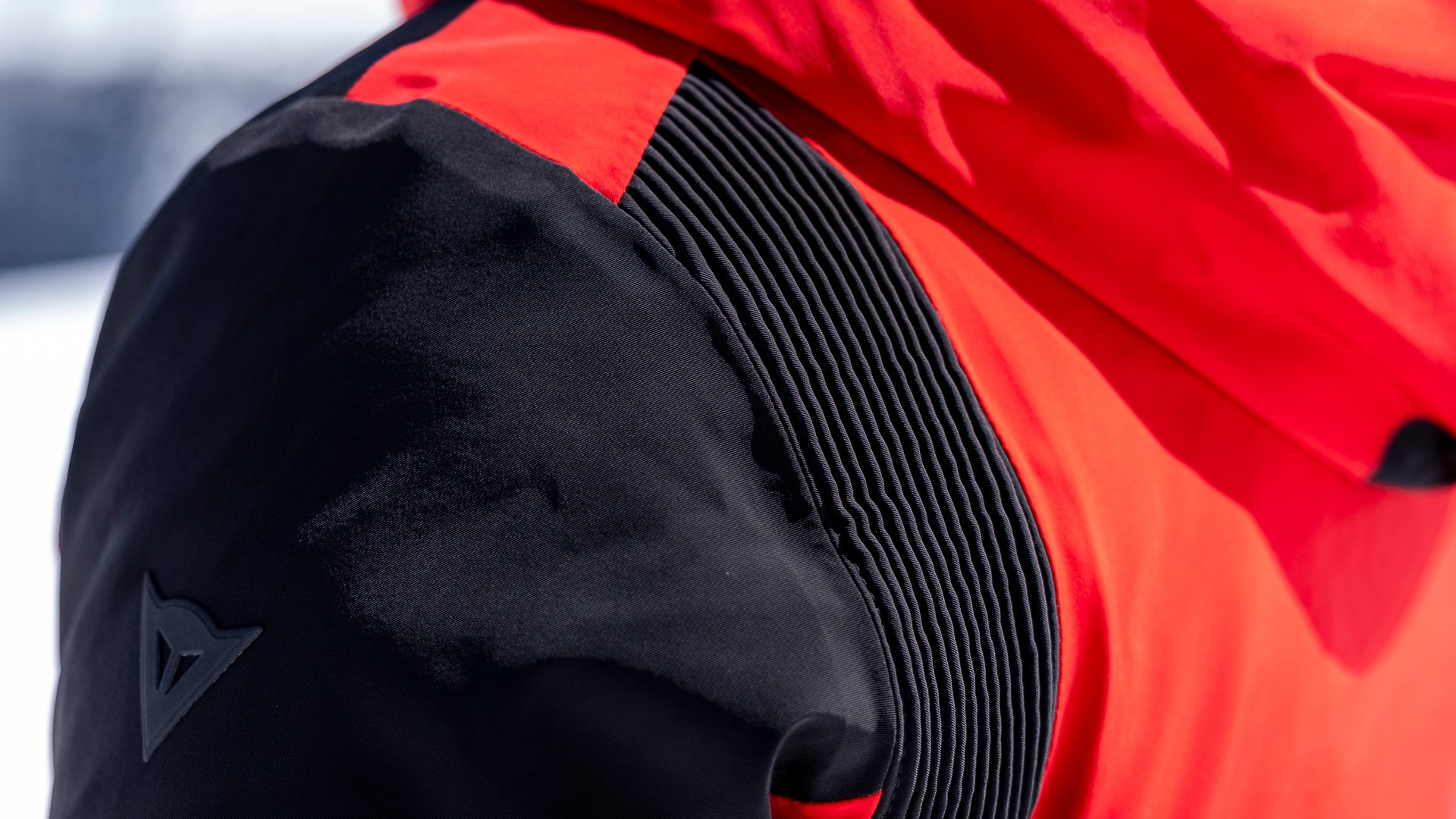
Unlike classic microporous membranes, Dermizax™ EV is monolithic and pore-free. Waterproofing is guaranteed by a continuous barrier that blocks water from the outside, while breathability occurs through molecular diffusion. This technology offers a 20,000 mm water column and high vapor permeability, promoting the release of moisture produced by the body during physical activity and reducing the formation of condensation on the inside. Dermizax™ EV is therefore designed for those who practice dynamic sportssuch as skiing, where comfort, protection and freedom of movement must coexist even under stress. Furthermore, the absence of pores makes Dermizax™ EV more resistant over time to washing, oils and contaminations that could compromise traditional membranes.
Aerosense-Dry – waterproof and breathable membrane for lightweight and versatile ski jackets
The Aerosense-Dry membrane is a waterproof and breathable solution developed to ensure comfort and protection during snow activities. With a water column of 20,000 mm and breathability of 20,000 g/m²/24 h, it offers an effective balance between insulation from atmospheric agents and internal moisture management. Used by Dainese in garments designed for sporty yet versatile use, it combines lightness, elasticity, and practicality, making it ideal for those seeking protection and freedom of movement without the complexity of more technical garments for intense physical activity.
Ski jacket padding – guide to natural and synthetic insulating materials
Let's now look at the types of insulating materials you can choose. Whether synthetic or natural, each fiber has its own specific characteristics and advantages, offering different functionality to different users.
Key variations between natural and synthetic solutions mean that each type of garment is suited to specific uses. This is why it's good to know the differences before choosing your gear.
Natural insulating materials for ski jackets – advantages and characteristics
Weight being equal, natural fibers are warmer than synthetic ones but is also more voluminous. These characteristics make it suitable for extremely cold conditions, which usually occur when the climate is dry. Natural fibers are often hydrophilic, which means they naturally tend to retain moisture and lose some of their insulating capacity when wet. This means they are ideal in the bitter cold, but are not the best choice for intense physical activity. Here are some examples of high-performance natural materials:
Goose down for ski jackets – the best thermal insulation for extreme cold
Goose feathers have better insulating properties than any other natural plumage. It is an extremely soft and flexible material that offers excellent insulation against the outdoor environment. All weights being equal, the insulation it provides is better than any synthetic material. Goose feathers are extremely compressible, but in normal conditions they have significant volume, so are not the ideal choice for those who prioritize freedom of movement. Feathers do not have water-repellent properties and so they tend to retain moisture and lose their insulating properties when wet. A ski down jacket is a product designed for dealing with very cold temperatures, but it isn’t recommended for intense physical activity.
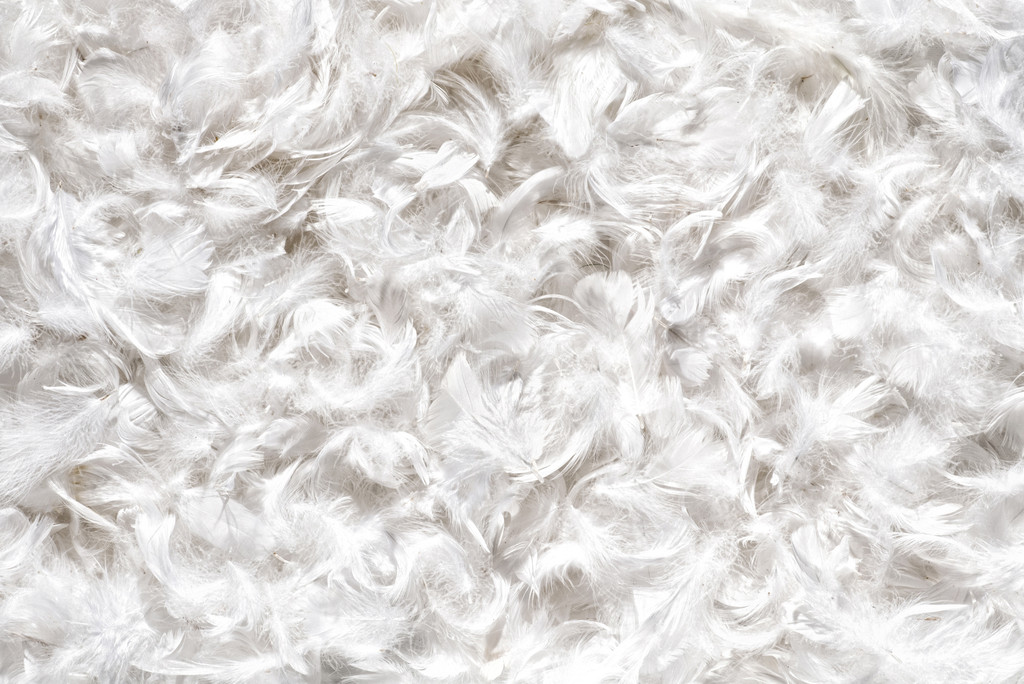
Goose down
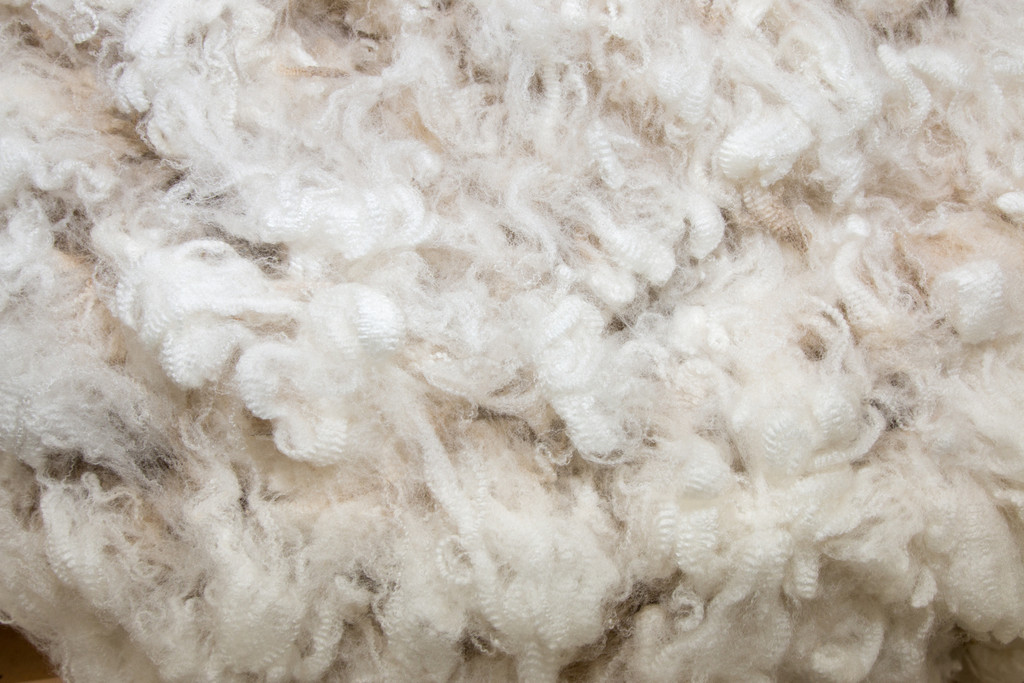
Merino wool
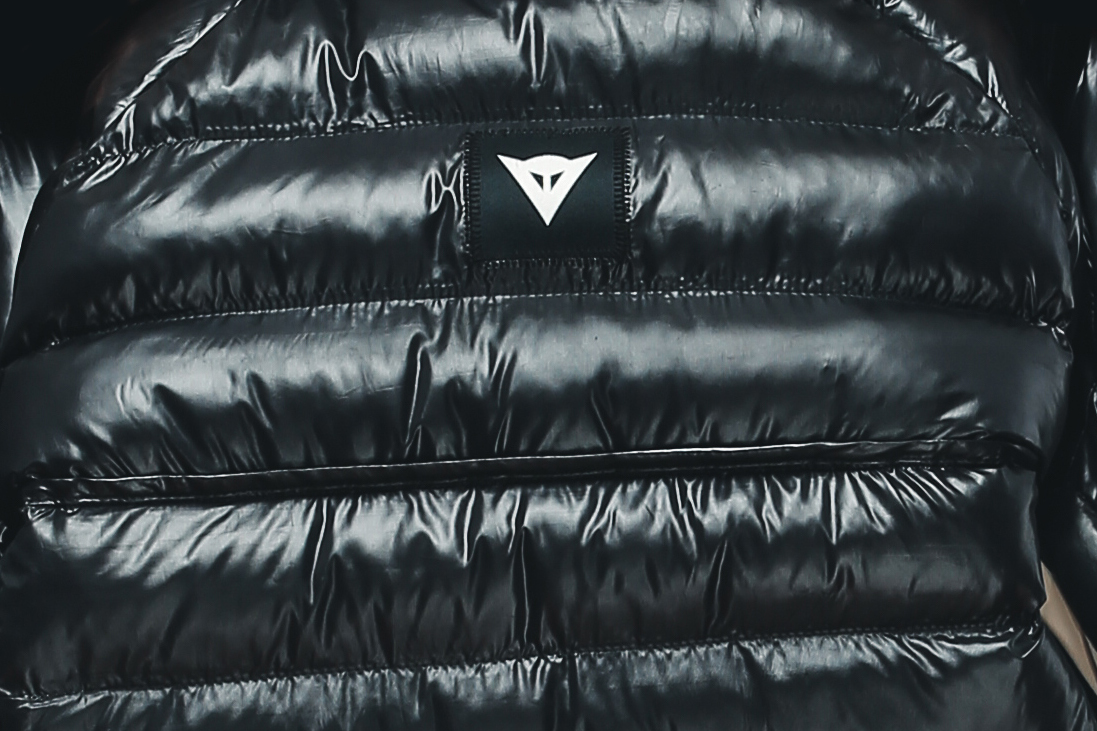
The inside of a jacket padded with goose down
Merino wool
Merino wool is renowned for its extreme softness and breathability, its particular composition also easing thermoregulation of the body. This wool keeps the body warm without raising its temperature too much. Unlike goose feathers, its fibers are hydrophobic at one end and hydrophilic at the other. This characteristic allows it to maintain at least some of its insulating properties even in humid environments. Like most wools, merino contains lanolin, a substance with antibacterial properties. Due to its particularly fine fibers, merino wool is one of the softest wools there is. It offers an excellent insulation-to-weight ratio compared to other wools, thanks to the structure of its fibers, which keep the heat close to the body. Thanks to its ability to maintain part of its insulating properties even when wet, Merino wool is suitable for medium intensity physical activity.
Synthetic fibers for ski jackets – lightweight insulation, water-repellency and performance
Yet synthetic fibers make for slimline garments of reduced thickness, all to the advantage of freedom of movement. They are particularly useful in humid environments, because synthetic fibers are water-repellent and therefore tend to expel sweat away from the body. This salient feature makes them perfect for intense physical activity and protects the wearer for a significant time even in bad weather. Here are some examples of high-performance synthetic insulating materials, designed for different uses.
Primaloft® Cross Core – ultralight insulation with Aerogel technology for skiing and intense activities
To create Cross Core, Primaloft® has combined thin synthetic fibers with Aerogel, an engineered material with unique properties. Originally developed by NASA for use in aeronautical applications, silica aerogel is a low-density, highly porous structure that forms a temperature barrier, preventing the penetration of cold and heat. Aerogel is more than 95% air and it is the lightest solid material known to man. The result is a particularly light and highly insulating fiber, which retains the breathability and water resistance typical of synthetic fibers. An ideal choice for activities that require intense performance and thermal insulation with the lightest possible weight.


Primaloft® Silver – advanced, compressible insulation for high-performance ski jackets
Primaloft® Silver is a fusion comprising 80% ultra thin Primaloft® fibers and 20% water-repellent feathers. It is designed to offer excellent insulation and lightness, with soft, thin consistency. The patented Primaloft® treatments guarantee excellent insulating performance even in conditions of high humidity. The excellent insulation-to-thickness ratio means greater warmth in a very thin lining, which is easily folded and can offer great freedom of movement. This makes it an excellent solution for intense physical activity and for those who look for a compact and ergonomic garment.
Primaloft® Black – synthetic alternative to down for warmth, softness and water-repellency
Compact, light and soft. Like all synthetic fibers, it has excellent water-repellent properties and maintains its insulating properties even when wet. The insulation level of Primaloft® Black is comparable to that of a good natural down jacket. The appearance and feel of its fibers is very similar to those of high-quality goose feathers. Primaloft® Black is the result of a simper process than other Primaloft® solutions and is suited to simple, easy-to-use gear, while always guaranteeing high level performance for physical activity.
Thermore® Ecodown – Eco-friendly recycled padding for warm, moisture-resistant ski jackets
Thermore®’s Ecodown padding is a valid alternative to natural down, has a great insulation-to-weight ratio and maintains its characteristics even when there’s moisture. It’s a durable material 100% made from fibers obtained by recycling PET plastic bottles; on average, a garment with Ecodown insulation material makes use of up to 10 recycled bottles, a great solution for limiting waste resulting from our everyday lives.
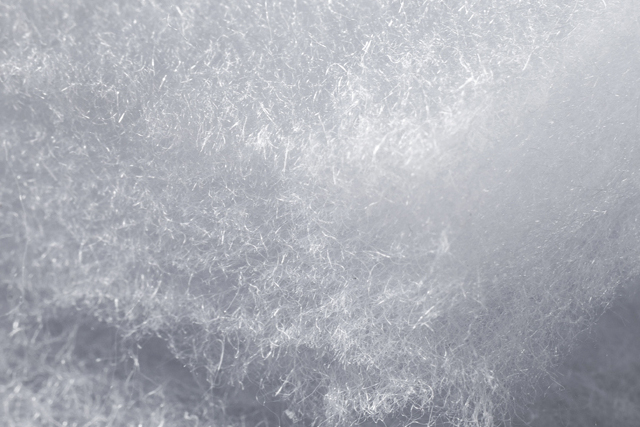
Primaloft Cross Core fibers
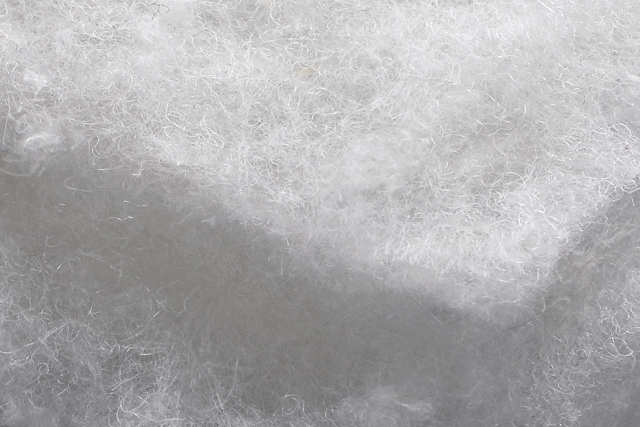
Primaloft Silver fibers
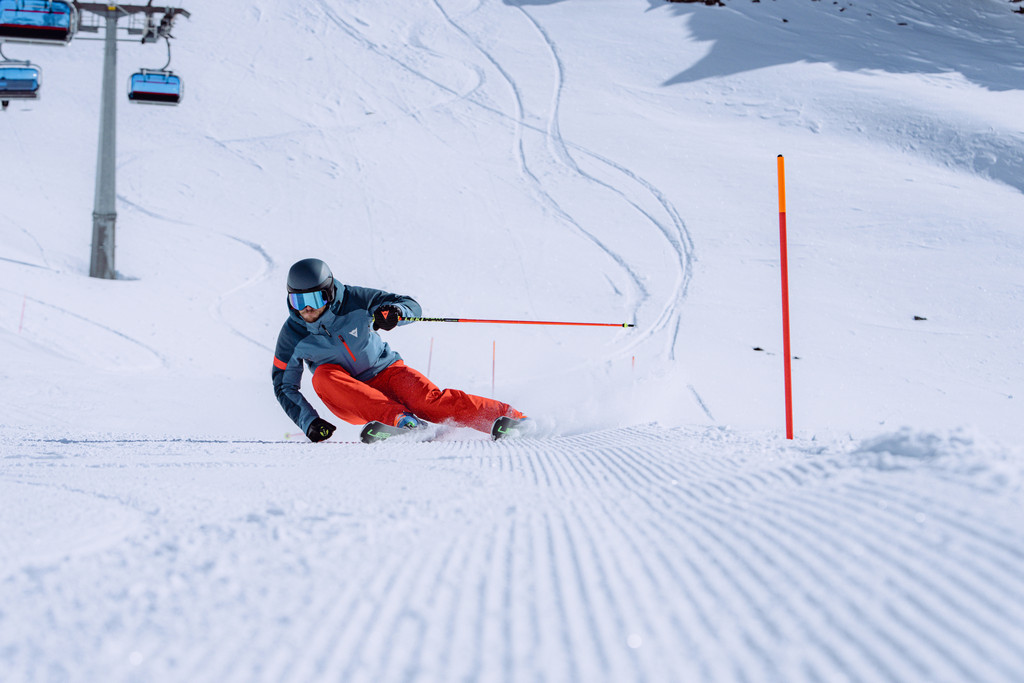
Synthetic paddings are the most suitable for intense physical activity
Comfortemp® Quickdry Frame™ – insulation with rapid moisture wicking for intense skiing activities
One characteristic of this insulation material is the special structure directed towards efficiently expelling moisture created by the body. Comfortemp® Quickdry Frame™ incorporates a kind of lattice that can channel excess moisture from perspiration away from the body. That makes it suitable for intense physical activity, when perspiration increases together with the intensity of exercise.
Repreve® – recycled insulation for sustainable and high-performance mountain jackets
It’s a type of synthetic padding made entirely from recycled food-grade plastic, mostly bottles of various kinds. The plastic transformation process involves reducing it to a very fine material before mixing it, melting it and transforming it into small chips. The result is an insulating material with excellent performance in terms of water-repellency, softness, elasticity and lightness.
Domeair™ – ultra-breathable insulation technology developed in Antarctica for modern ski jackets
Domeair™ technology, developed in Antarctica, features a perforated structure that creates a mesh of ‘domes’ which traps air, maximizing insulation and breathability while reducing the weight of the garment. By harnessing the natural insulating properties of air, the dome mesh retains as much air as possible, increasing thermal insulation against the outside environment. Domeair™ also incorporates channels that enhance the breathability of the padding, keeping you dry even during intense physical activity.
Looking after fabrics and membranes
And when winter ends, clothes shouldn’t just be thrown in the closet. You need to know how to wash a ski jacket. It has to be cleaned carefully, because it’s a technical garment with membranes and treatments that guarantee insulation, breathability and waterproofing, characteristics we don’t want to alter.
The best solution is hand washing in warm water, with detergent but without fabric softener. It shouldn’t be wrung out or put in the dryer, but left to dry slowly in a ventilated area away from aggressive heat sources. Careful! It shouldn’t be washed too often, as this could accelerate the wear and tear of the membranes and fabrics. For our complete guide on how to wash a ski jacket, click here.
Feathers, wool, synthetic fibers and high-tech materials, all different and each with its own salient features and strengths. In order to choose wisely and be sure of purchasing clothes that best suit your needs, you just need to be sure how you plan to use your new gear.