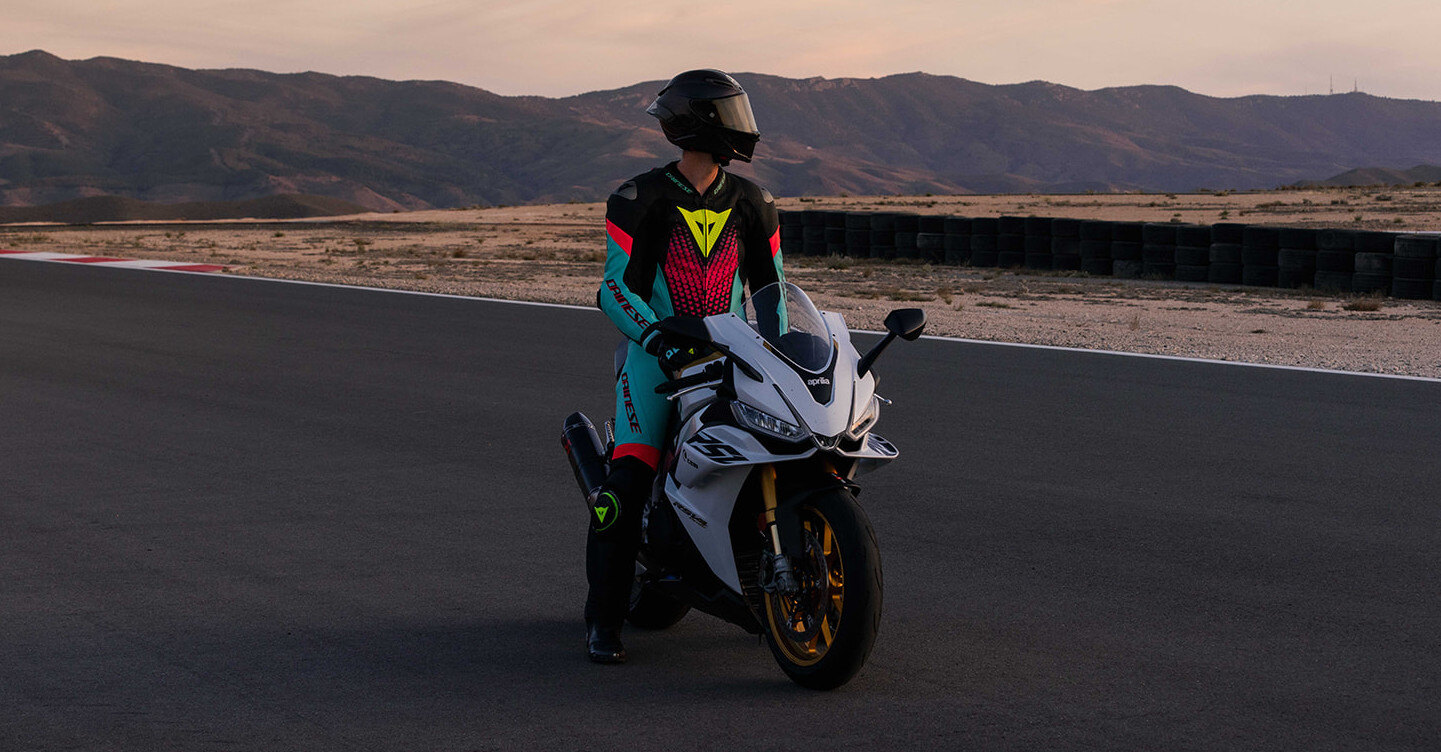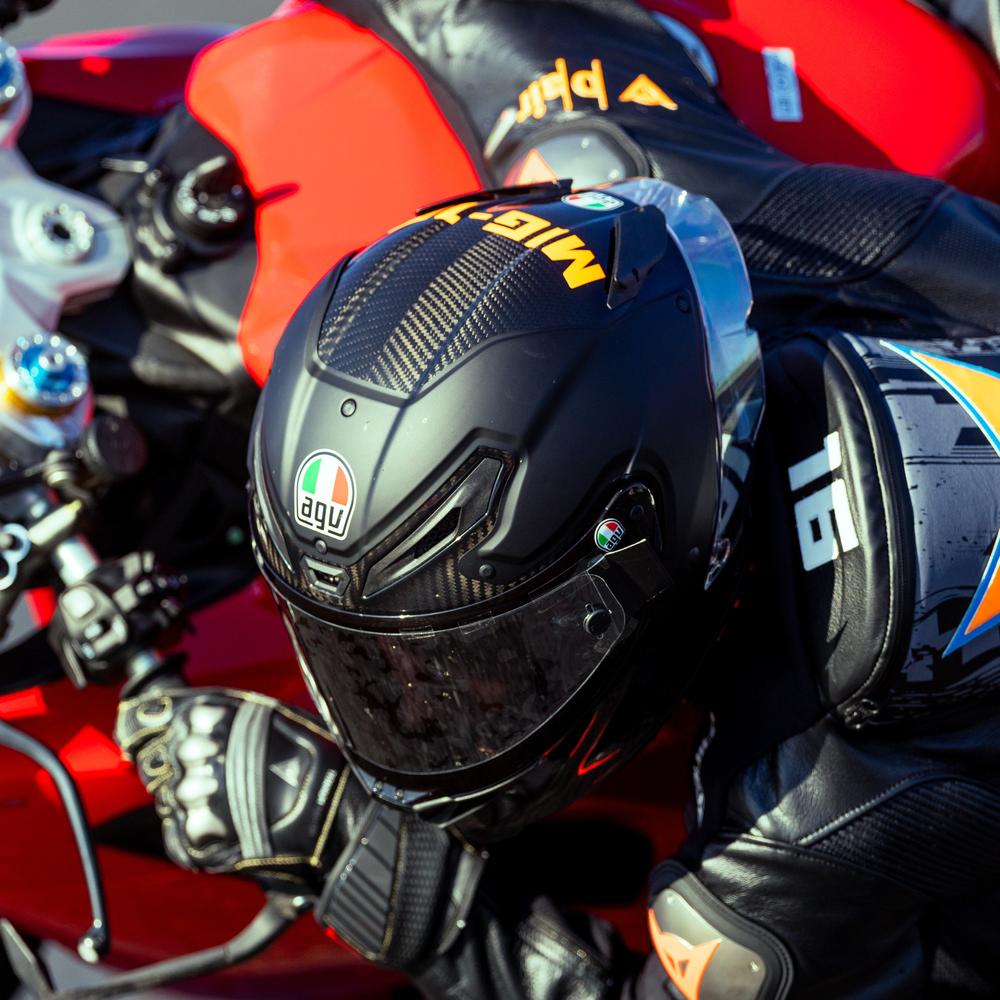


At over 186 mph (300 km/h), a racing helmet has to do much more than protect the head in a crash. It has to withstand severe impacts, stay stable as the rider moves around on the motorcycle, offer the widest possible field of vision, and keep air flowing effectively. And it has to do all this without becoming too bulky or getting in the way of the rider's movements.
Designing a track helmet therefore means working on many fronts at once. No single feature can determine the quality of a racing helmet on its own. Every design choice has to help strike the right balance between protection, weight, aerodynamics, and field of view.
This is also why some features of competition motorcycle helmets can look unusual compared with those designed for everyday use. The priority is no longer maximum comfort or versatility, but making sure the helmet supports the rider as well as possible in the extreme conditions of track riding.
Racing motorcycle helmet safety: Protection against oblique impacts
Protecting the head naturally remains the core function of any helmet. In racing, however, the speeds involved and the dynamics of a fall make it especially important for a helmet to handle major forces of different kinds, including those generated by oblique impacts.
When contact with a surface happens at an angle rather than perpendicularly, the impact itself can force the head into rotational motion. The helmet and skull start to rotate, while the brain, suspended in cerebrospinal fluid, tends to follow that movement with a slight delay. It is this relative rotation between the skull and the brain that creates stresses capable of contributing to injury.
That's why, especially in recent years, research on the most advanced racing helmets has focused not only on absorbing energy from linear impacts but also on the dreaded oblique impacts.
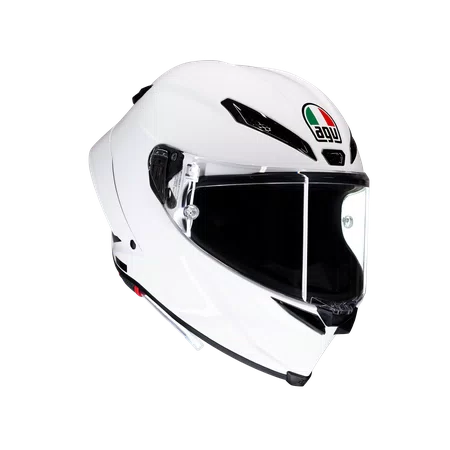
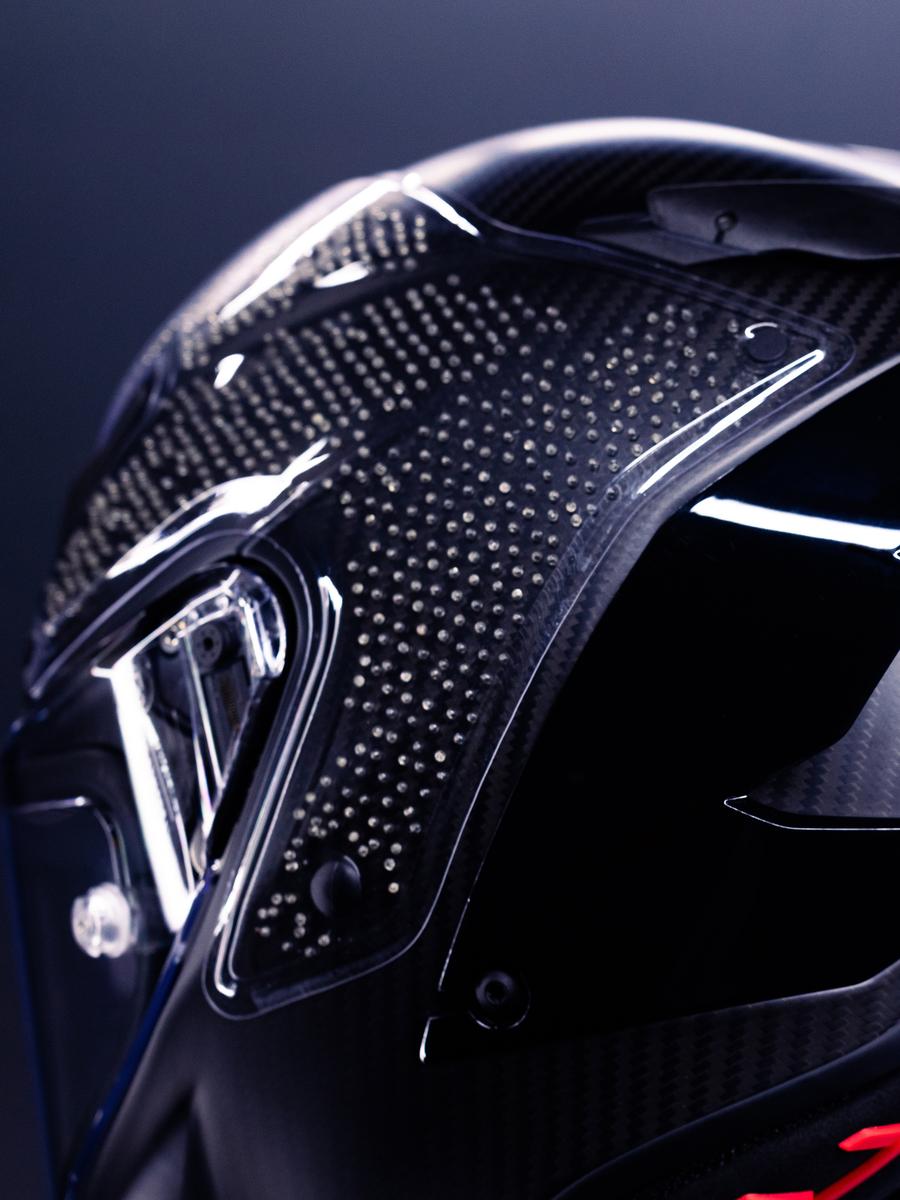
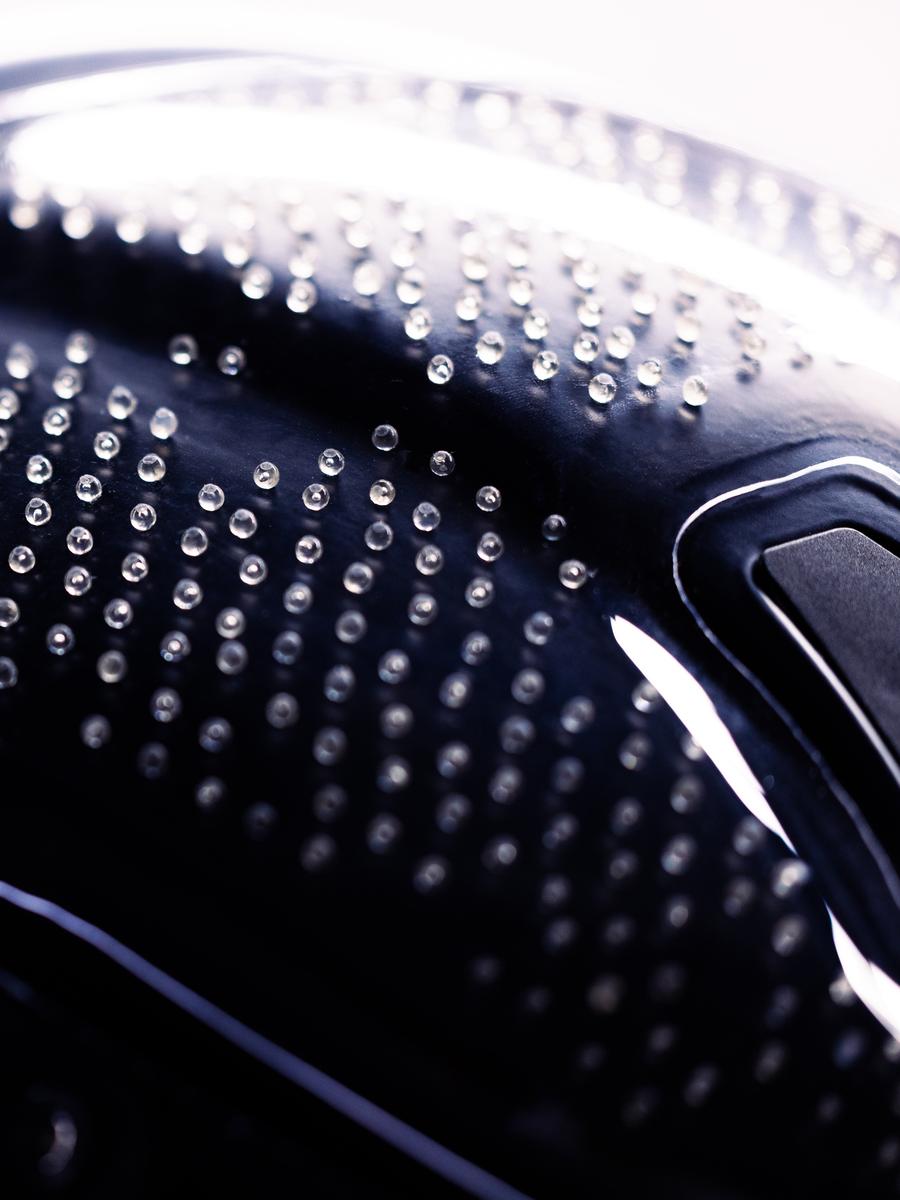
On the new Pista GP R3, the ultimate evolution of the Pista GP family and the same helmet worn by World Championship riders, AGV has introduced the AGV Sphera system with RLS® (Release Layer System) technology, which was developed precisely for this purpose. The system uses an outer layer applied to the shell and separated from it by a matrix of microspheres. In an oblique impact, the outer layer is designed to break away in a controlled way, dissipating some of the energy and helping to sharply reduce the rotation transmitted to the head. In tests conducted by AGV, the Sphera system showed up to a sixfold reduction in the effects of oblique impacts compared with a configuration without the system.
FIM 2 homologation: The standard for racing
Another factor to consider when choosing a track helmet is how you plan to use it. Riding a track day is one thing, but competing is another matter when the event requires a helmet homologated to International Motorcycling Federation (FIM) standards.
FRHPhe-02, commonly known as FIM 2, is the second generation of FIM homologation for racing helmets and officially took effect in 2026. Compared with the previous FRHPhe-01, the protocol introduces stricter requirements and additional tests, with particular attention to managing oblique impacts. To learn more about how FRHPhe-02 helmet homologation works, read our dedicated guide.
FRHPhe-02 is a standard developed for top-level competition, and it can be required to enter certain races. For riders who use their helmet only for track days, however, it isn't mandatory.


Helmet aerodynamics: How a racing helmet handles the airflow
At very high speeds, the air exerts far greater forces on the helmet than you feel simply holding it in your hand. So when it comes to designing a racing helmet, weight on the scale isn't all that counts. What matters most is how the helmet interacts with the air.
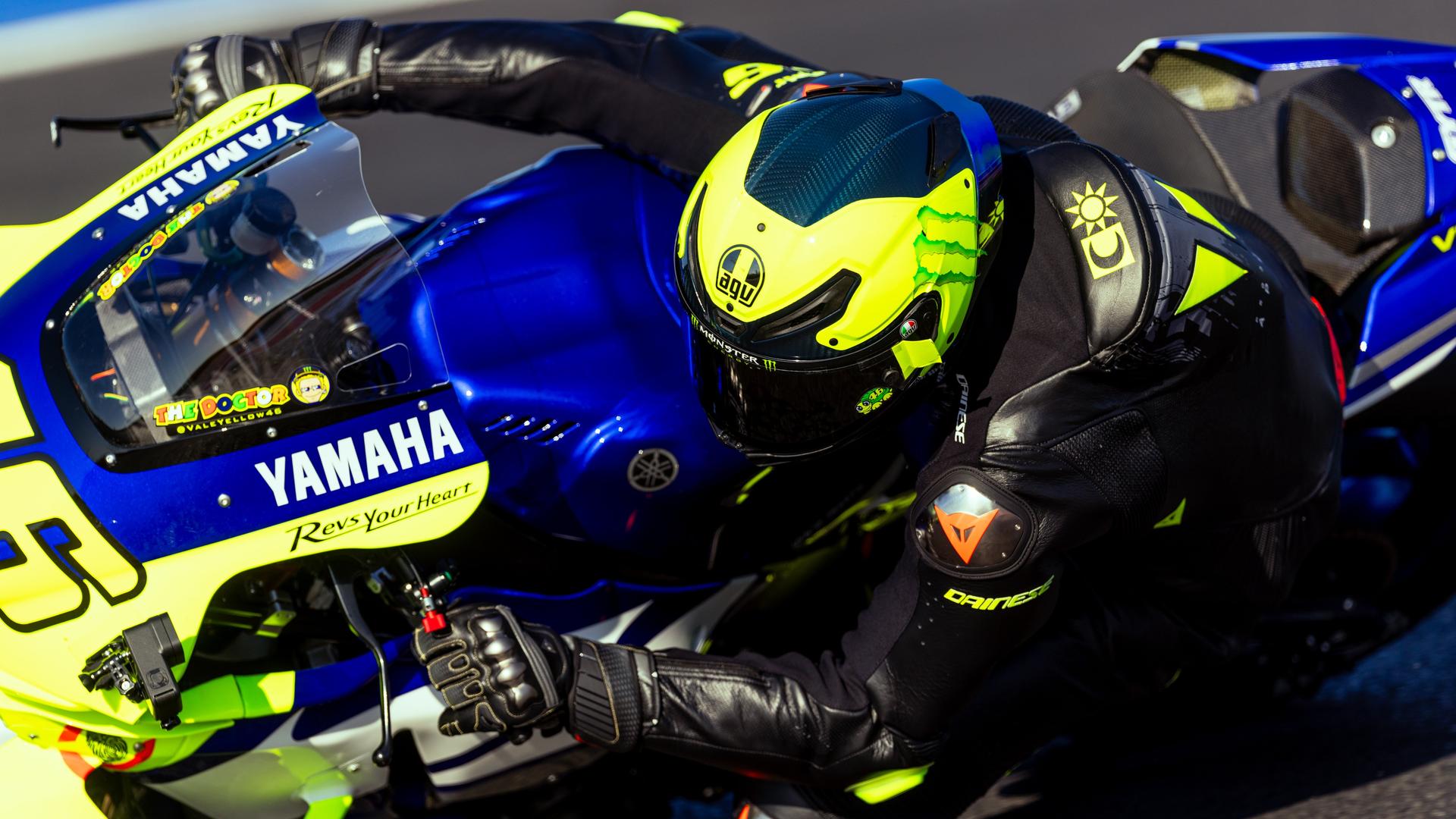
An aerodynamically efficient shape has to minimize drag, especially when the rider sits up out of the fairing under hard braking, while also keeping the helmet stable and predictable as head position changes through corners. On the track, this means considering not only the straights, where the head is generally aligned with the motorcycle, but also cornering, when the rider turns their head toward the apex and the exit.
In this position, aerodynamic forces also act laterally and can affect head movement, forcing the neck muscles to make constant corrections. Racing helmet development therefore has to strike the best possible balance between aerodynamic penetration, stability, and freedom of movement, with the aim of minimizing these corrections and the resulting fatigue
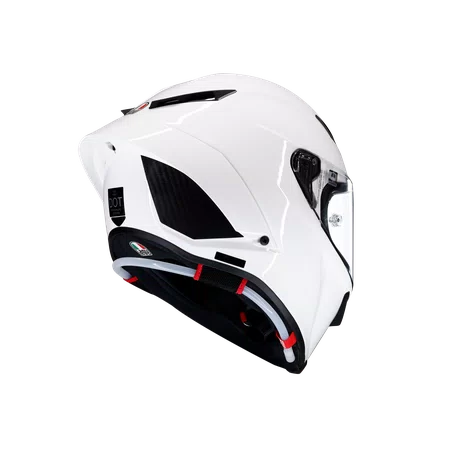
This is one of the areas AGV has always focused on when developing Pista GP helmets, through countless days of work in the wind tunnel and on-track validation with the world's best riders. The result is a helmet that, due to the distinctive shape of its shell and its rear spoiler, remains essentially neutral. At high speed, it generates limited drag and neither pushes the rider's head down nor pulls it up.
In other words, a racing helmet's weight isn't just what we read on the scale. At extreme speeds, it's mainly the way the air strikes the helmet that determines the dynamic loads the rider has to manage.
Lightweight construction: The role of materials in racing motorcycle helmets
Achieving a lightweight racing motorcycle helmet is still an important design goal, although weight can't be considered in isolation from the helmet's dynamic behavior.
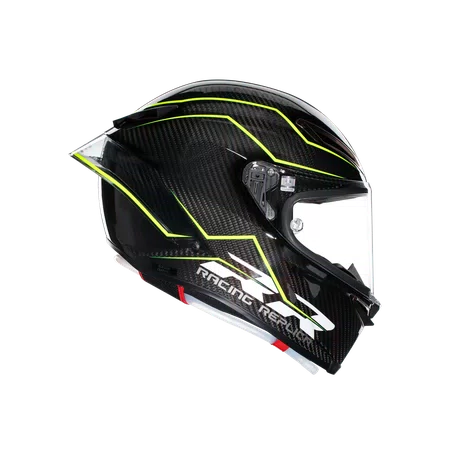
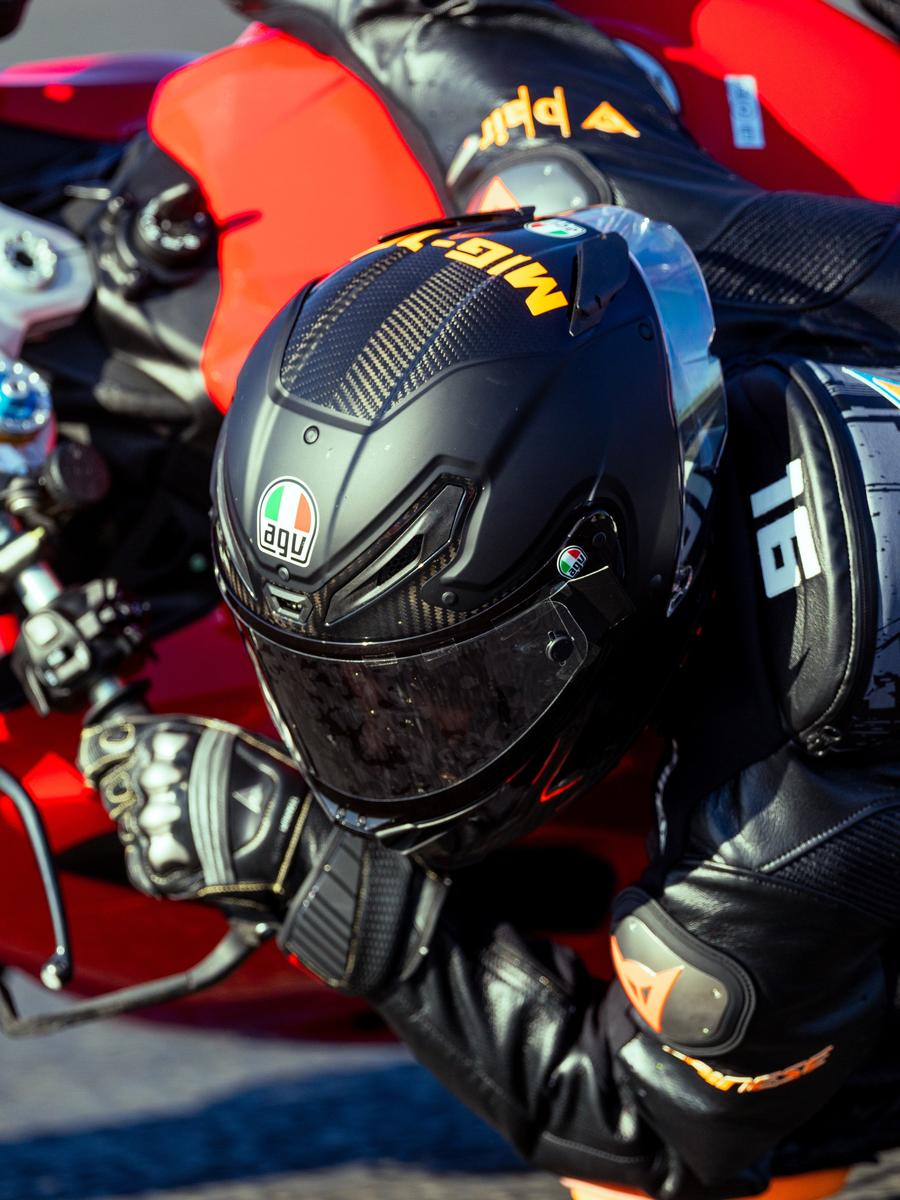
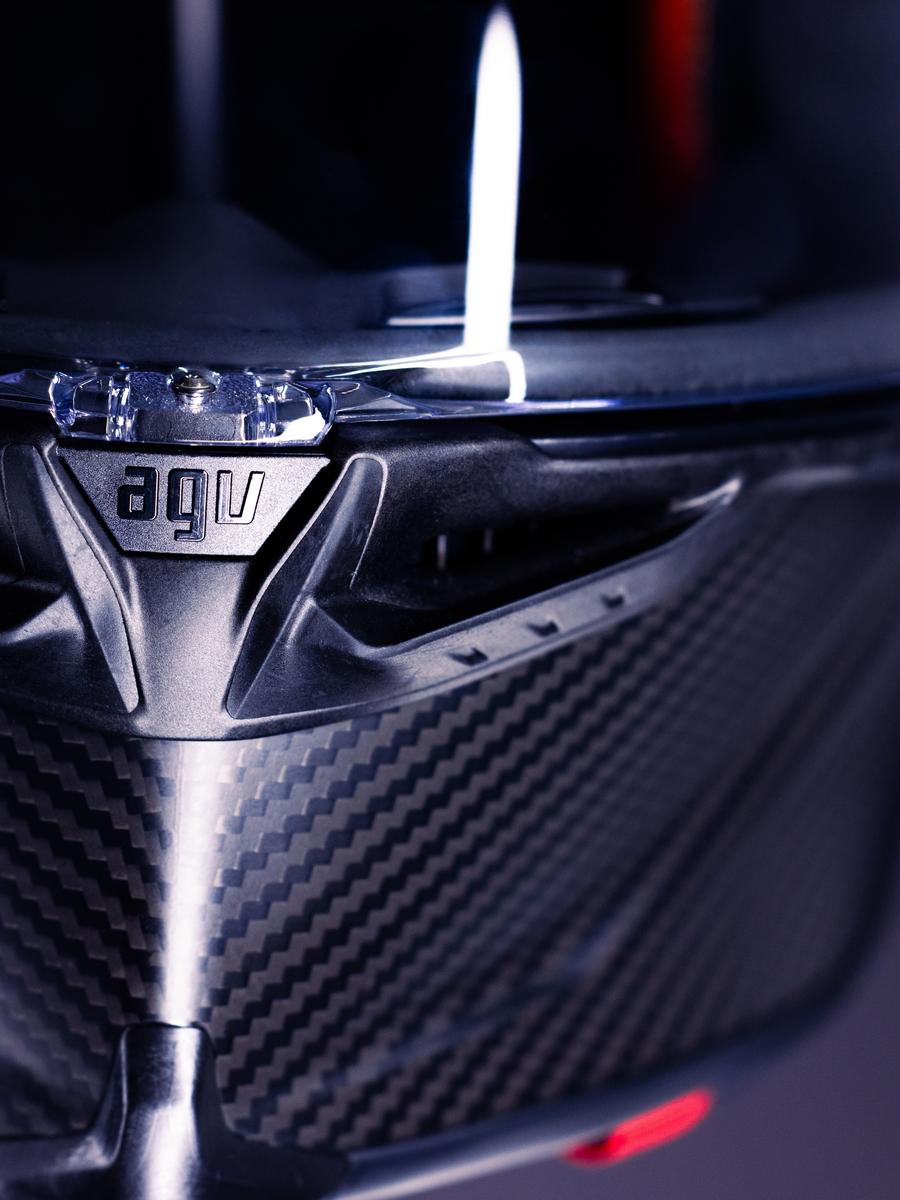
This is why designers use materials that offer high strength with low mass. Carbon fiber, for example, makes it possible to build very strong shells while keeping weight under control. For this reason, every helmet in the Pista GP family has a full carbon fiber shell, while the double D-ring fastening uses titanium D-rings.
The interior follows the same philosophy. In a helmet built for the track, every component is also assessed for its effect on overall weight and its usefulness while riding. The result is a product in which absolute comfort isn't the priority, because the goal is to give the rider as much freedom as possible without adding anything unnecessary.
Field of vision and helmet visor: Seeing clearly without sacrificing protection
Visibility also plays a key role on the track. Riders need to keep track of everything happening around them and quickly spot reference points and opponents, while turning their head as little as possible from the direction of travel. That's why racing helmets are designed to offer a very wide field of vision, making the most of the natural peripheral vision of the human eye.
At the same time, however, the visor also has to provide protection. Clear vision isn't enough. It also has to withstand impacts and stay firmly in place even in the harshest conditions. On AGV Pista GP helmets, the visor is 5 mm thick to ensure high impact resistance, yet it eliminates all distortion through its optical class 1 rating, the same as prescription eyeglasses. The visor is also secured to the chinguard by the Micro Lock system, which opens only when you press the front button, to reduce the risk of accidental opening.
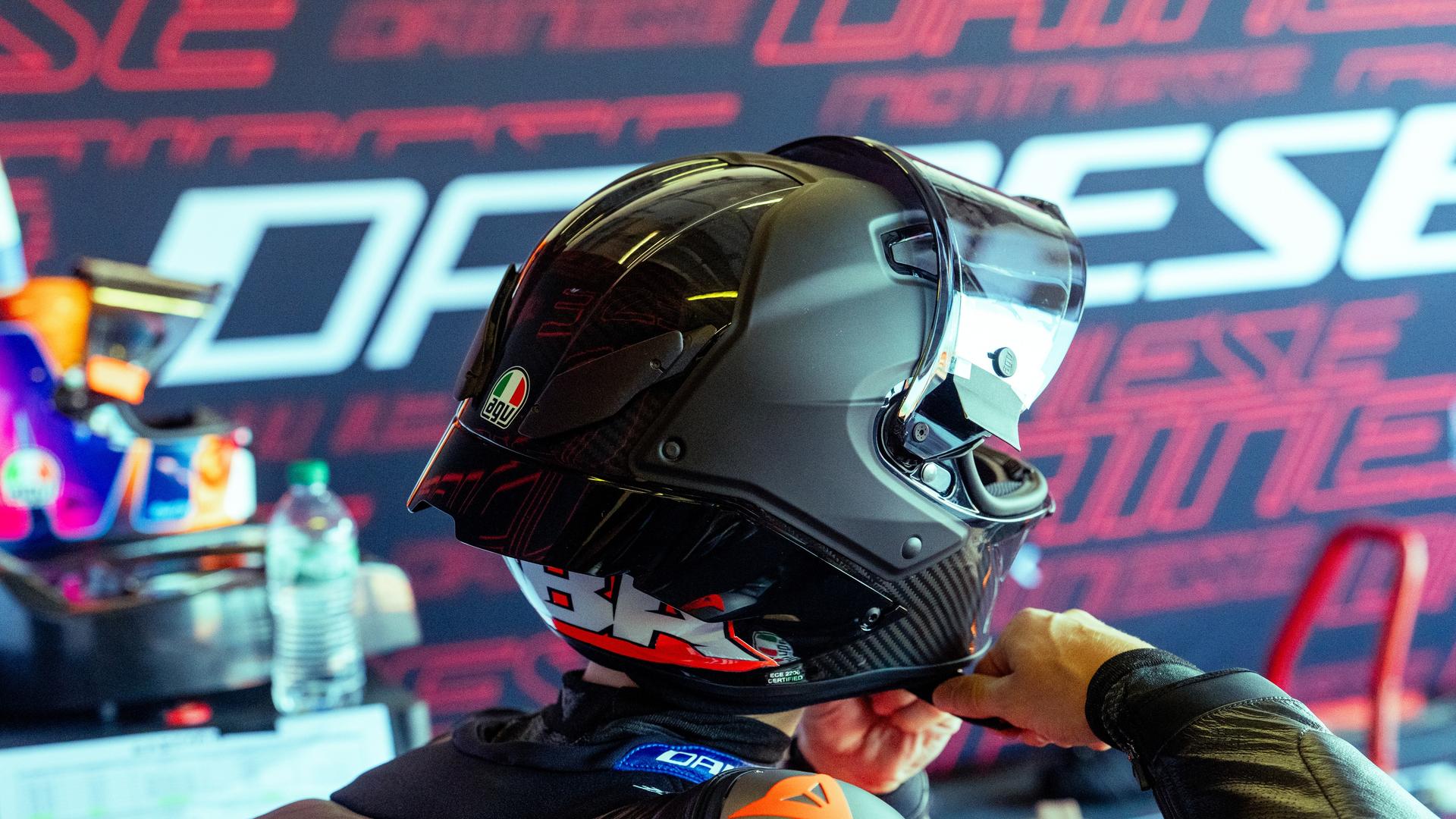
The side opening mechanism also has to be designed around seemingly opposing requirements. It has to be compact, taking up as little volume as possible so that it doesn't take space away from the EPS (the energy-absorbing material inside the shell) and doesn't limit how far the visor extends to the sides. At the same time, it has to hold the visor securely in place. For the first time, the Pista GP R3 comes standard with side visor locking screws, previously reserved for helmets used by competition riders.
Two racing helmets for two different needs: Pista GP R3 and Pista GP RR-S
Today, the AGV racing helmet family includes two models: Pista GP R3 and Pista GP RR-S. Both are designed for the track, but there is one key difference between them.
The Pista GP R3 is the most advanced model and is homologated to the new FIM FRHPhe-02 standard, which makes it the choice for riders who compete in events where this certification is required. The Pista GP RR-S is derived from the current Pista GP RR, sharing its technical platform while introducing an evolved rear spoiler, and it forgoes FIM 2 homologation. It's a more affordable option, designed for riders who use a racing helmet on track days but don't race competitively.
Naturally, both helmets are street legal and comply with DOT and ECE 22.06 standards.
Choosing a racing helmet therefore starts with how you plan to use it on the track. For riders competing in international events, FIM 2 compliance is a key requirement, and the Pista GP R3 is AGV's most advanced option. For those looking for a racing helmet for track days without competing, or for more varied use, the Pista GP RR-S offers a more affordable solution while retaining the core features of the Pista GP platform.