

Riding a motorcycle on the road isn't just a matter of instinct or experience built up over time. It takes method, technique, and awareness. That's exactly where the Dainese Riding Master Road program comes in, built for riders who genuinely want to improve their motorcycle riding on the road, at any level.
The Road Class 1 and Road Class 2 courses make up a complete training path: from the first approach to mindful riding through to more advanced, dynamic handling of the motorcycle on the road.
If you're looking for a motorcycle safe riding course, the Dainese program covers it all: it offers theory and practical sessions, both in the parking lot and on the road, letting you practice in real-world situations, always with our qualified instructors at your side.
Here are the key topics we'll cover:
· Why join (even if you're already experienced)
· Active vs. passive safety: The key role of dynamic prevention
· Road Class 1 & 2: Building the foundations and refining advanced brake control
· Real-world experience: Why the road is the best training ground
· Practical info: Requirements, gear, and how the course runs
Why take an on-road riding course (even if you already ride)
Here's something many riders underestimate: much of what riders get wrong isn't obvious. You don't notice it until an expert watches you from the outside. It could be a matter of cornering lines, brake use, body movement, or any number of other things. Nothing dramatic, until the wrong situation comes along. That's when real motorcycle mastery makes the difference.
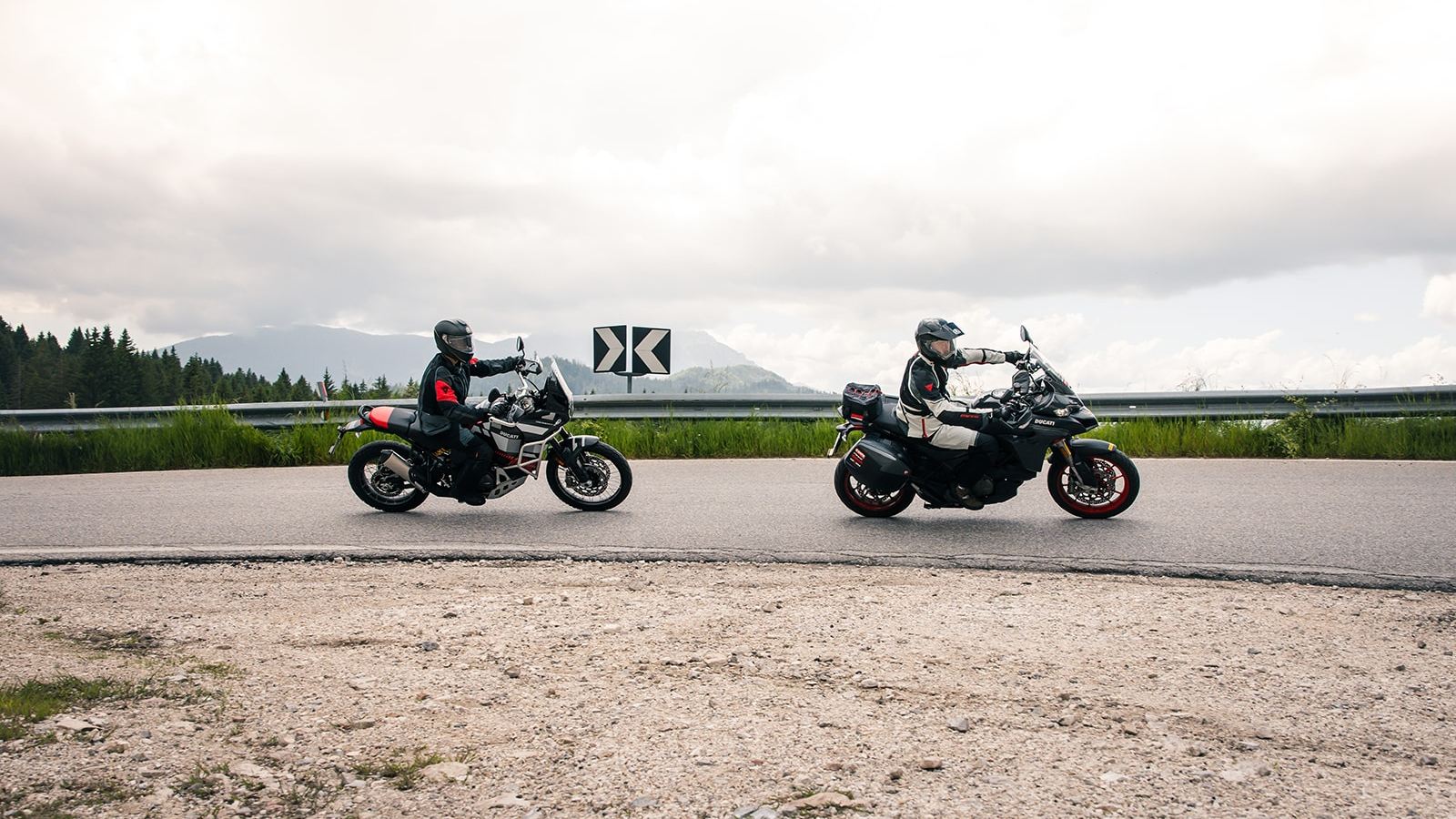
To better understand where riders actually go wrong, we asked our experts directly, the instructors at the B-Safe Biker School: “The most common mistake, even among riders with years of experience? Riding position. Then a lot of stiffness while riding, and often insufficient or incorrect brake use, especially of the rear.”
“What's most often underestimated is lane positioning on the road, and the choice of cornering lines: they're often taken earlier than they should be for safety. And then the relationship between speed and braking ability. By the end of the day, the improvements are tangible: better riding position, more dynamic body work, more correct braking, and greater awareness of how to position yourself on the road.”
Motorcycle safe riding course: who is it for and what does it do?
A motorcycle safe riding course is first and foremost designed to take improvisation out of critical situations and replace it with the right reflexes. Make no mistake: we're not talking about a program reserved for those aiming at the track or racing, but about practical skills you carry with you every time you get on the motorcycle, even on the most routine ride.
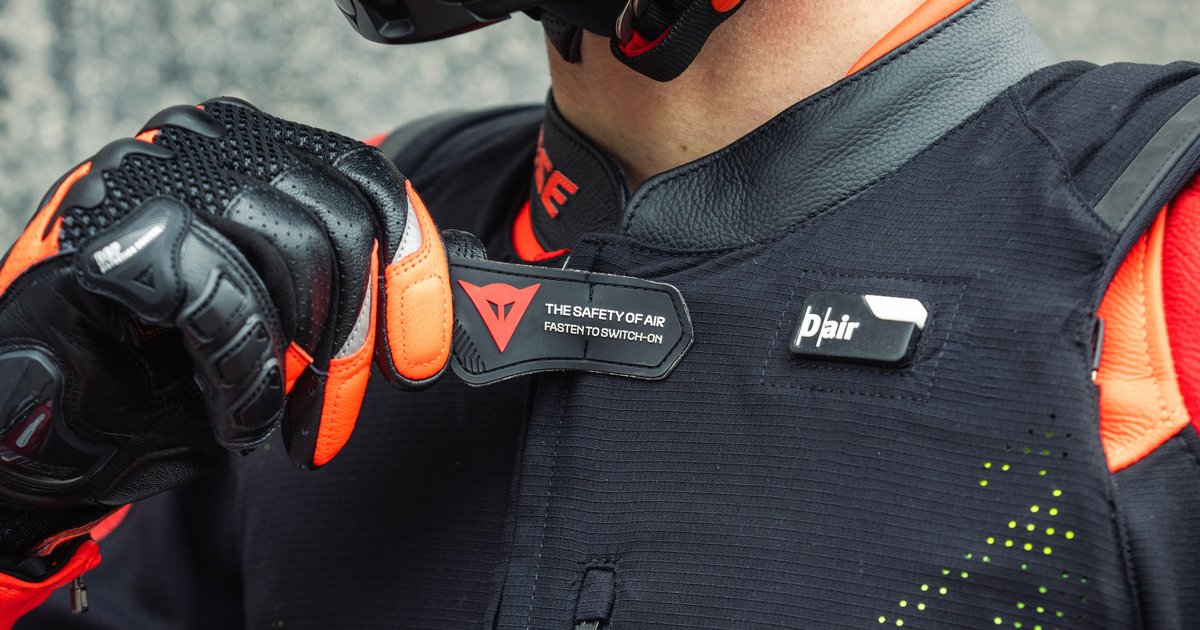
There's also a fundamental distinction that often gets overlooked: the one between active safety and passive safety. Passive safety kicks in once something has already gone wrong. It's the job done by protective gear and devices like airbags, back protectors, and technical apparel — to limit injury in the event of impact. Active safety, by contrast, comes first: it's the ability to avoid the crash altogether, through proper riding technique, the ability to handle emergencies, and awareness of what's happening around you.
It's on this second aspect that a motorcycle safe riding course truly makes the difference.
Road Class 1: build the foundations of riding technique
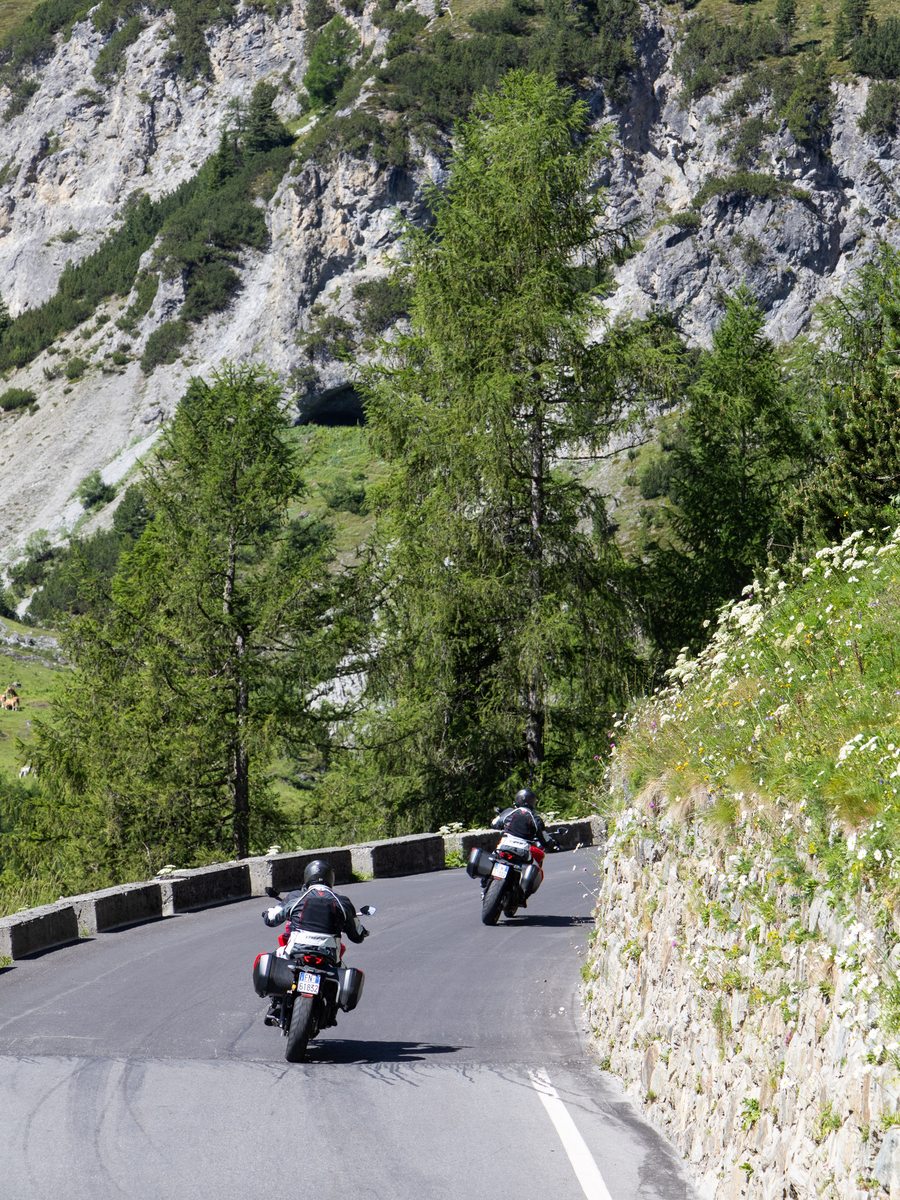
The Riding Master Road Class 1 is the course designed for riders who still need to build a solid foundation. It doesn't matter whether you've just got your motorcycle license or you've been riding a while but don't feel fully at ease.
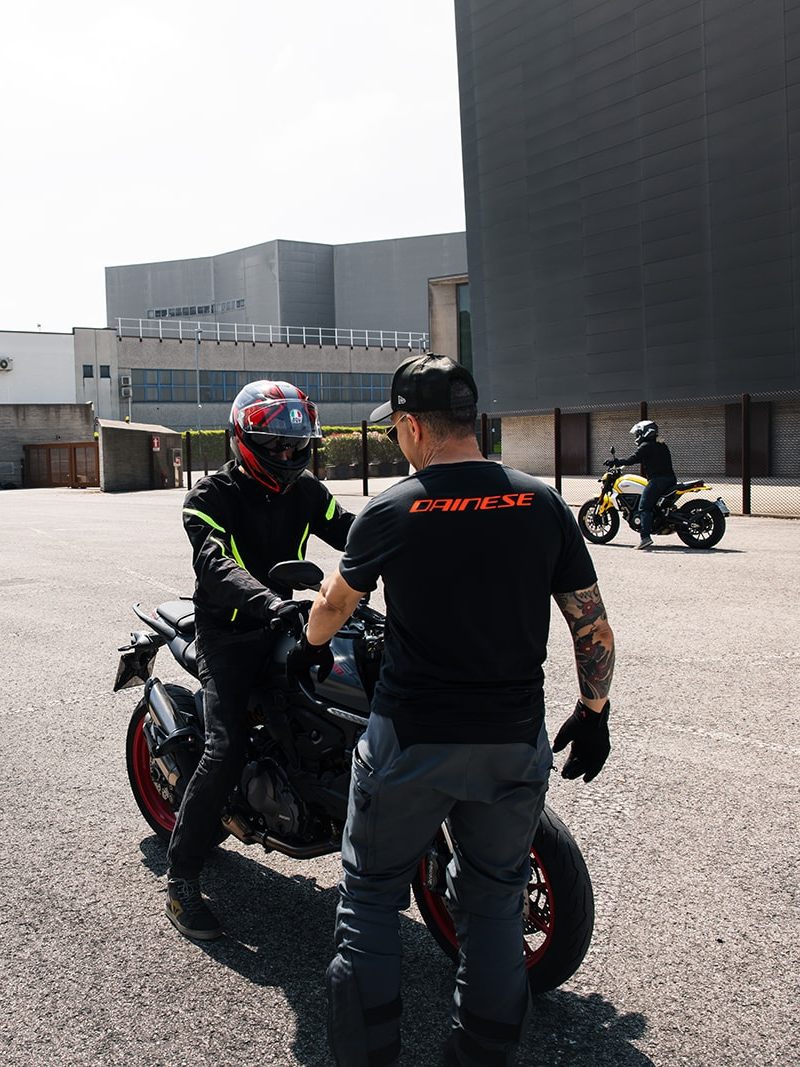
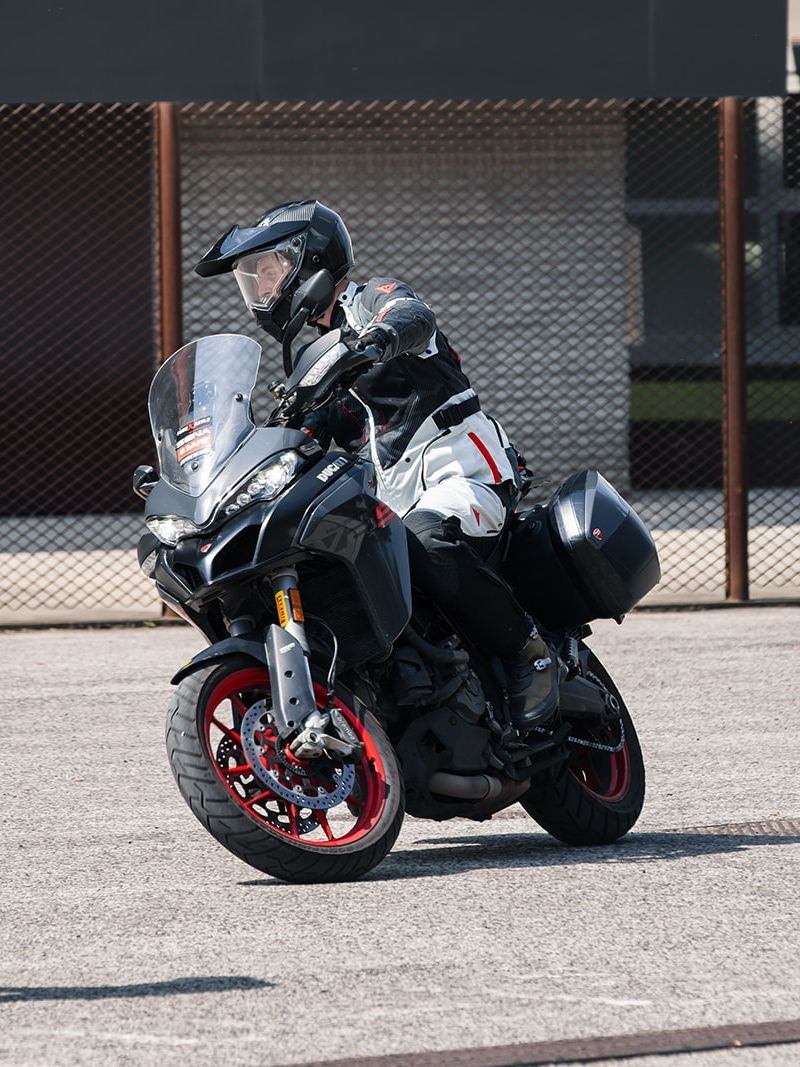
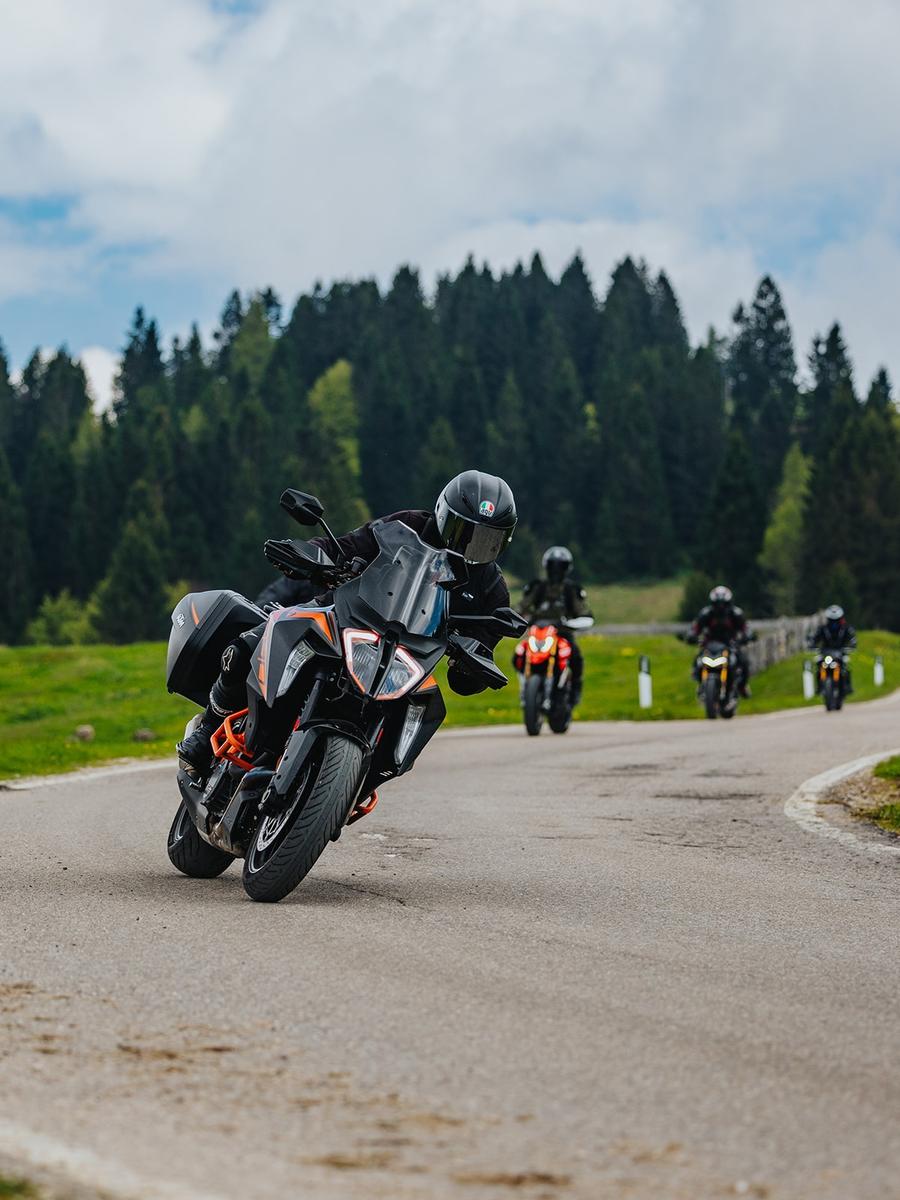
The day alternates between teaching segments and riding sessions: it starts with technical exercises in the parking lot to nail down the fundamentals, then moves out onto the road. Here you ride behind the instructor, observing cornering lines, posture, and overall behavior in different situations, while also trying to replicate them on your own.
It's this combination that many find particularly effective: seeing, trying, and getting corrections in real time. As Sarah, a Road Class 1 participant, put it: “The instructors are always there to answer any questions and correct mistakes while you're riding on the road.”
It dives into the details of riding position, visual technique, body shifting, and correct brake use. It also covers situations that often catch riders out, like emergency braking or handling hairpins, always in a controlled context.
On-road sessions are punctuated by analysis breaks, including video review, which lets you see in near real-time what you're actually doing, not what you think you're doing.
In the Road Class 1 motorcycle safe riding course, you work on the fundamentals of on-road riding technique:
- correct riding position
- body use and load distribution
- front and rear brake control
- emergency braking
- corner entry and direction changes
- cornering lines through hairpins
Because groups are kept very small (a maximum of 6 participants with 1 instructor), you get followed step by step, with personalized advice for each rider.


Road Class 2: refine, not just improve
Road Class 2 doesn't start from scratch: this motorcycle riding course is for riders who already know how to ride and want to take their skills to the next level. No longer just riding safely, but riding naturally, with proper technique and enjoying every corner.
Here too you start with targeted exercises in the parking lot, but the riding becomes more dynamic, working on cornering lines in greater depth and distinguishing between slow, fast, and variable-radius corners. Brake use also evolves: not just “when to brake,” but how and how much, including trail braking and using the rear brake mid-corner to tighten your line. Compared to the basic level, your riding becomes more precise and accurate. It also aims to manage emergency situations better and more effectively.
As in Road Class 1, some sessions are devoted to filming participants' runs, followed by video analysis together with the instructors. And this is often where you realize how things really stand, precisely because you're confronted with the reality of your own riding
“A much more concrete and useful experience than I imagined.”
Andrea, Road Class 2 participant.
The number of participants is higher than in Class 1, but managed the same way (12 participants with 2 instructors), so the level of individual attention stays high.
The work focuses primarily on:
- cornering lines (slow, fast, and variable-radius corners)
- advanced brake control
- using the rear brake mid-corner
- motorcycle control in more dynamic conditions
- making your riding smoother and more effective
How to become a better rider on the road in real-world situations
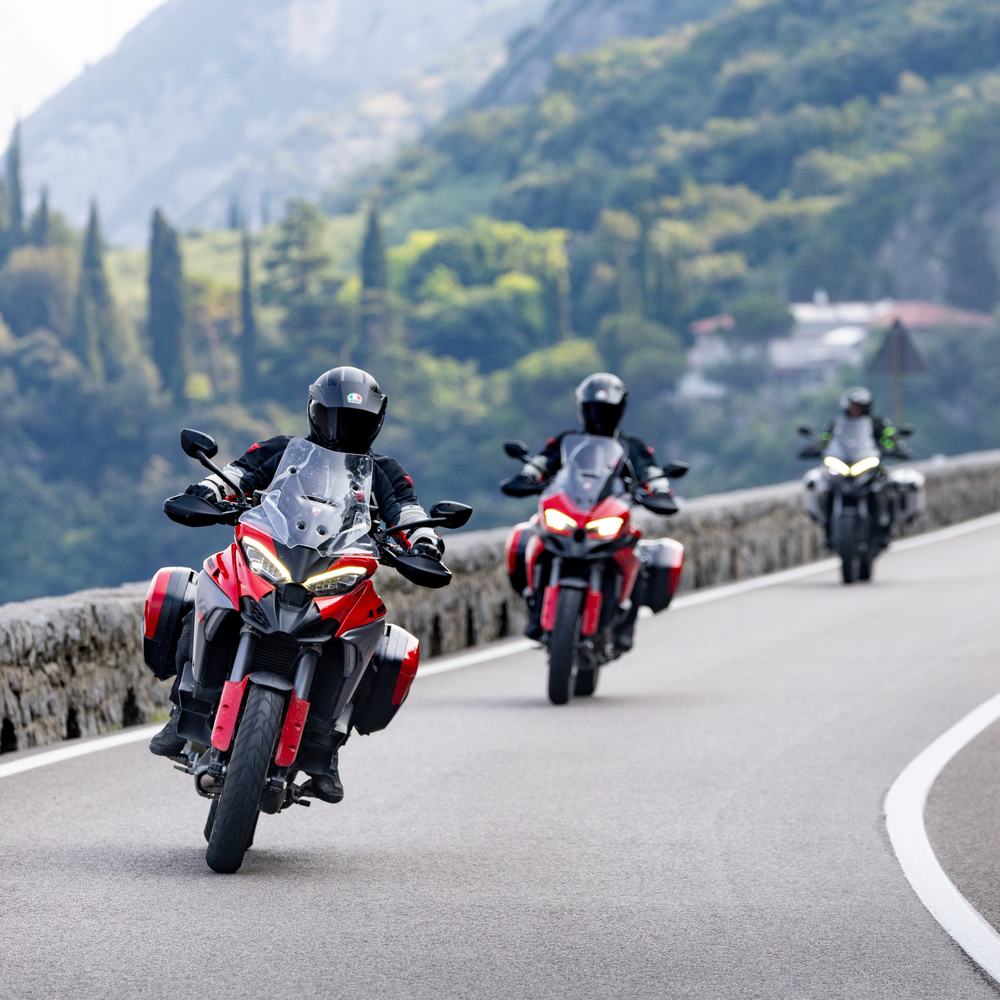
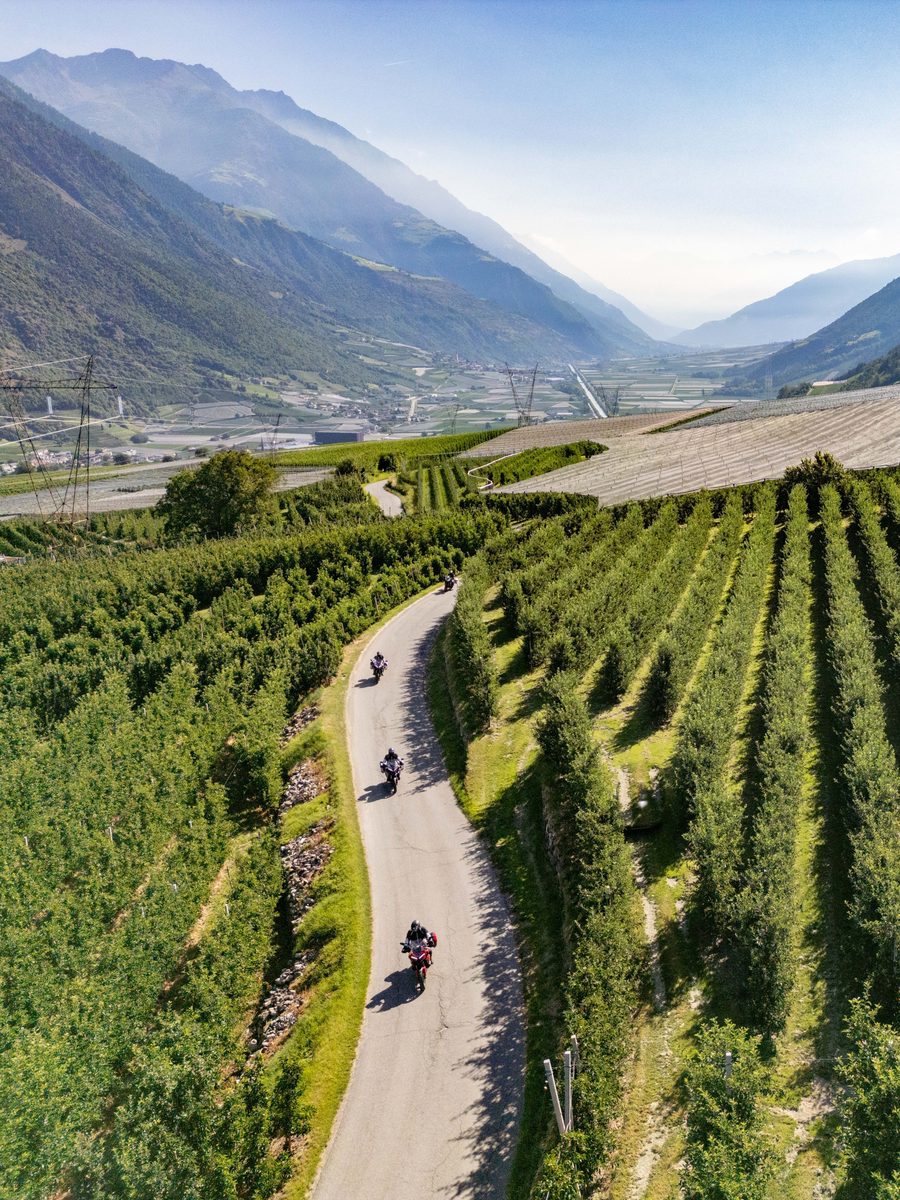
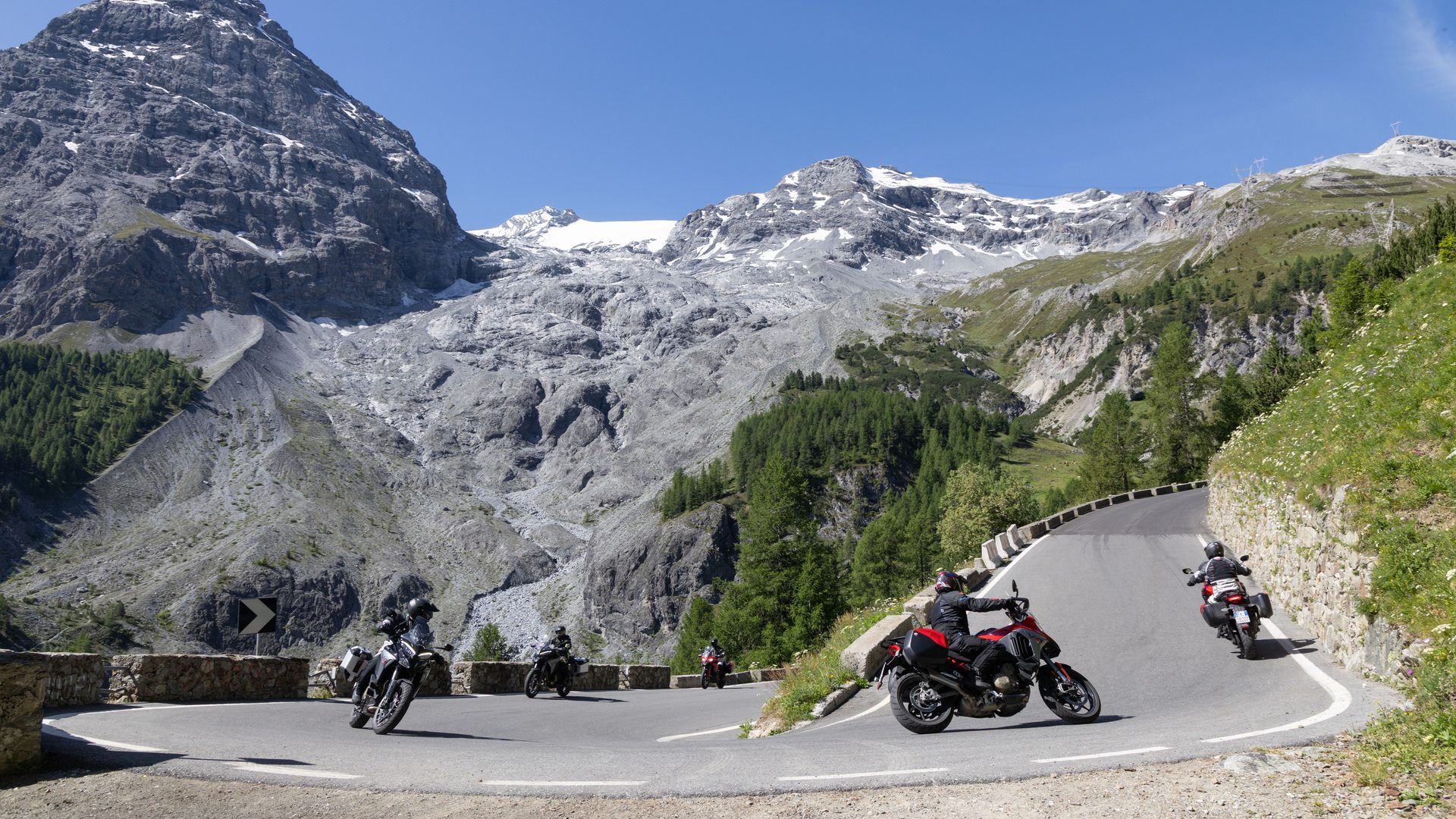
The beauty of the Dainese Riding Master Road courses is that nothing is “simulated,” you're not stuck in a parking lot all day: you ride mostly on the road, with everything that entails. You'll meet different corners, uphill and downhill stretches, and changing pavement and weather. That's exactly the context where you'll actually use what you're learning.
How the Dainese motorcycle riding course works
The Dainese riding courses run for a full day, from 8:30 a.m. to 6:00 p.m. with a group lunch break, and depart from Dainese stores according to the schedule, which you can check on the dedicated page.
- you use your own motorcycle
- you work in small groups with dedicated instructors
- you alternate between theory, exercises, and on-road riding
- you analyze your riding style, including through video
You need a valid motorcycle license (A1, A2, or A) and full technical riding gear: full-face helmet, jacket, pants, gloves, motorcycle footwear, back protector, and rain gear in case of bad weather.
Dainese Riding Master Road: in summary
Riding Master Road Class 1 is about building solid foundations and shaking off the typical insecurities and mistakes. Road Class 2 lets you take a real step forward in riding technique, making it more precise, fluid, and aware.
In both cases, it's a motorcycle safe riding course set in real-world situations, with the goal of making you safer every time you get on the motorcycle. It's not just a training day: it's a concrete step toward genuinely improving the way you ride on the road. Whether you've just bought your first motorcycle or you think you already ride well, it's the right time to devote a day to evolving your style.