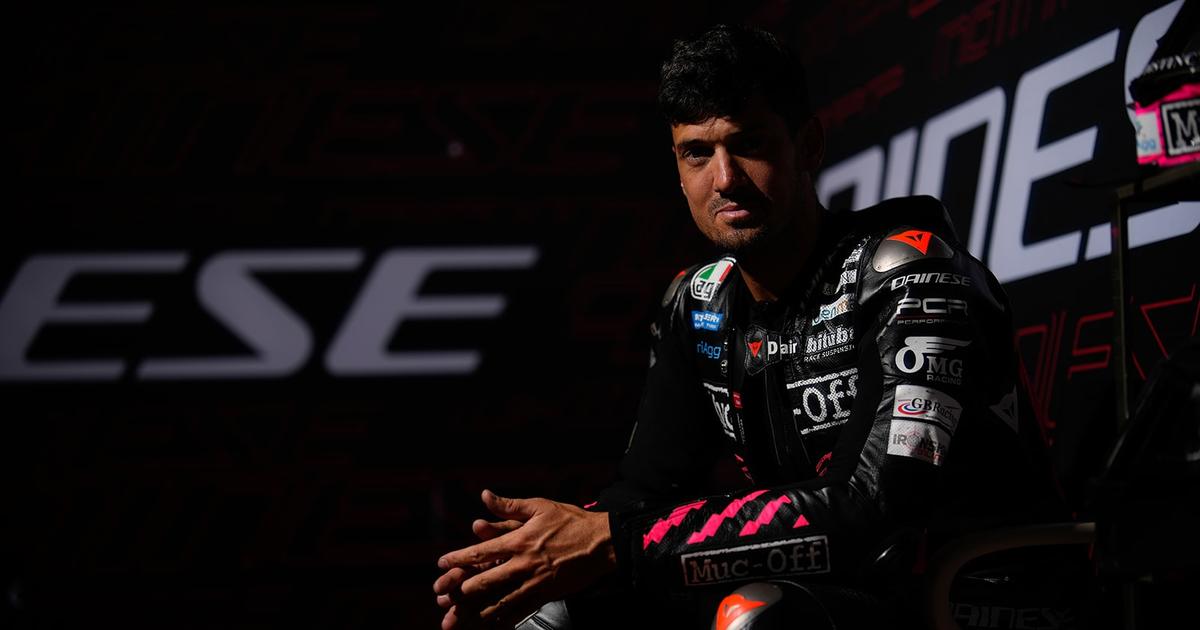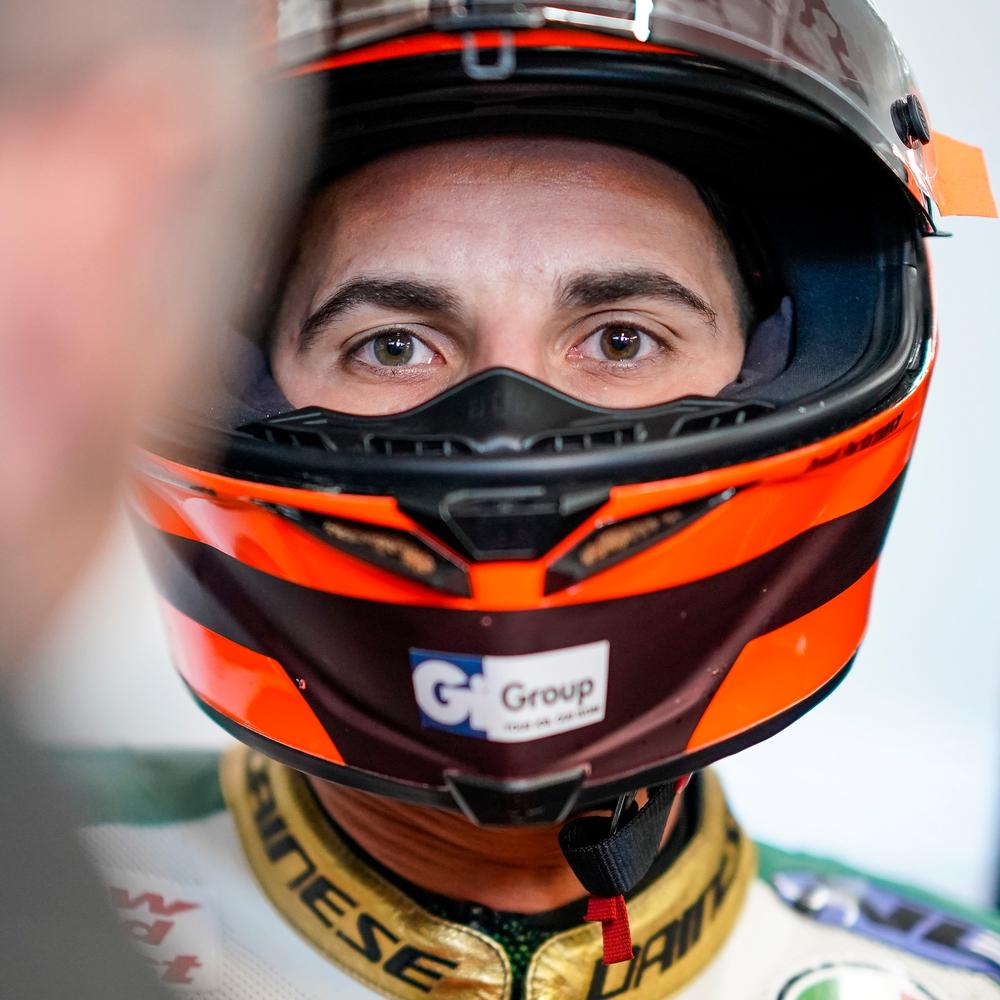


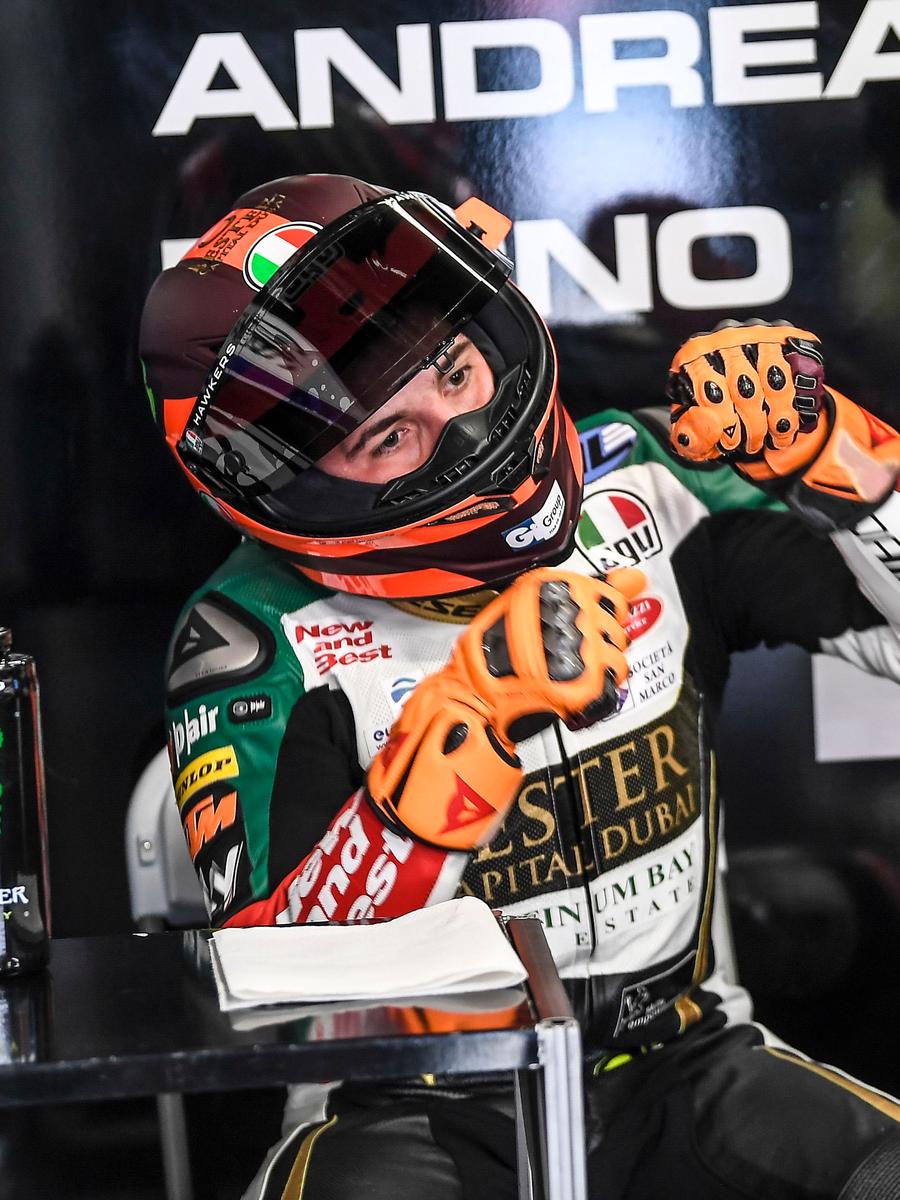
There are riders who retire and riders who simply stop racing. Andrea Migno, born in Romagna in 1996, definitely belongs to the second category. Today, he is part of the Pertamina Enduro VR46 Racing Team, and as well as carrying out analyses of videos and rider performances, he continues to train with bikes, minibikes and at the Ranch, as well as continuing with his successful MigBabol podcast, where he discusses the World Championship from an unfiltered personal perspective.
But you only need to hear him speak for a few minutes to understand one thing: “Mig” still feels like a professional racing rider. In this interview, he talks about finding the balance between life after the World Cup and an identity that, ultimately, has never gone away. From racing to safety, from the Academy to meritocracy, and that irreplaceable feeling: living to race.
Andrea or Mig?
I like “Mig” better, because Andrea is a bit formal. Usually when someone gets mad at me “Andrea” comes out, but Mig is used my acquaintances and friends, even those who may not know me very well. It’s a name that pretty much everyone uses now, so I’d say Mig.
At what age did you start riding a motorbike?
In 2003, I was seven years old.
Were you already dreaming of the World Championship as a child, or did you simply want to race?
Reaching the World Cup has always been my biggest dream. Once I got there, my goals changed, but that was the first dream that followed me right from my minibike days. So yes, at first it was just about racing, but with the goal of getting there.
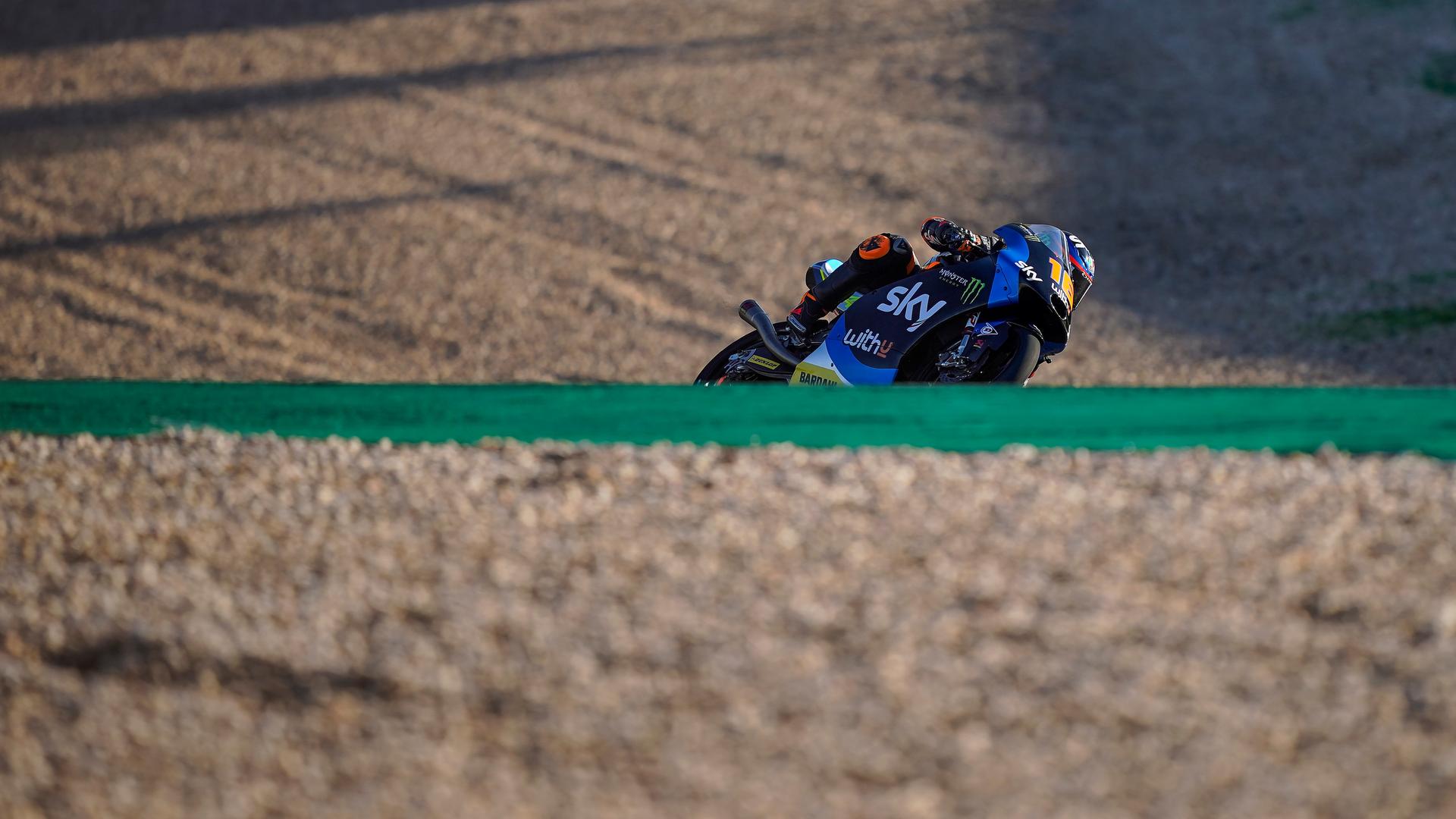
Do you feel more relaxed now, or when you were racing?
When I was racing. Being a motorcycle rider is a real profession and, like all sports, when you have to devote yourself to that alone, it is challenging but also lighter mentally. When you have doubts or other things on your mind, you can just say: “I’m going to put everything aside, because I just have to ride”.
Now, however, I have more thoughts on my mind. Before there was only one, but it consumed all my energy. Today, I might feel a bit nervous before something important, but to calm myself, I always think to myself: doing a Moto3 race in the World Championship was much more difficult. Then, I was really tense and excited.
My experience has helped me to approach everything else more lightly.
Would Mig the boy be proud to see you today?
If I had to think the way I did as a child, yes and no. I was very passionate about motorbikes and was inspired by the riders who won races and world championships in MotoGP. But I never made it to MotoGP.
As I matured, I recalibrated my idea of the “ideal character,” which only applied if you won races or championships in MotoGP. That child would perhaps say “only in part”; but today, I feel very satisfied.
My competitive side is still there. You’re left with the thought, “I wish I could have continued,” “I wish I could have got even further,” but maturity helps me see the good in what happened without regretting the things that didn’t happen too much.
I’ve got the Mugello win, the Qatar win, the podiums and the years in the World Cup. I am happier with what I have achieved than I am unhappy with what I have not achieved.
What exactly do you do in the VR46 team today?
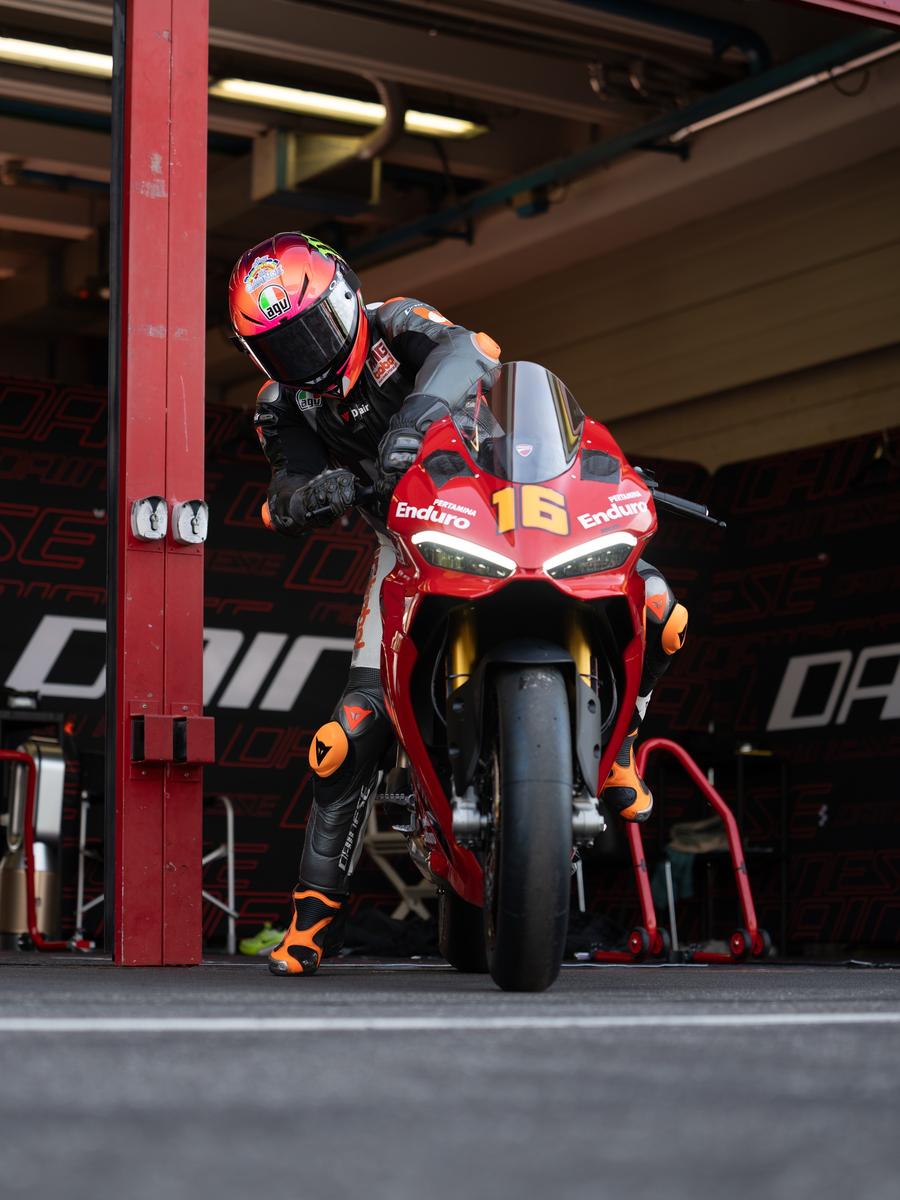
I deal with the analysis and riding performance of the two riders, Fabio Di Giannantonio and Franco Morbidelli. I follow them around the track and edit videos, creating a kind of “ghost,” like in driving video games. So there’s an analysis by eye, as well as one supported by videos.
In addition, I get to spend time in the box, which has always felt like my natural environment. Here, the dynamics are natural to me, and I can contribute spontaneously.
Do you like this role?
Yes, absolutely. Even though I spend a lot of time out of the pit box, because I go to the track to watch the riders and spend a lot of time on the computer, I would like to experience it even more closely, and have a role with a greater impact on performance.
But it’s already a role that I like, because it’s my world, my passion, my environment.
Where do you see yourself in five years?
This is a question I didn’t know the answer to when I was racing.
I’ve learned that you can look ahead and set yourself a direction, but thinking too much about what I will or won’t do destabilizes me. The key for me is to do well with what is in front of me right now.
Right now I’m thinking about continuing with the team, the podcast and the work in the Academy. I still see myself in this world in five years. Ideally, I would stay in MotoGP, but with a more significant role.
I need something that totally engages me, because replacing racing is impossible. Working in the team gets close to a certain extent, and the podcast and the Academy too. However, being a professional rider is a feeling that is unparalleled: it’s what you live for, from morning to night.
I would like to find something that comes as close as possible to that level of focus, dedication and passion.
How often do you still ride your bike?
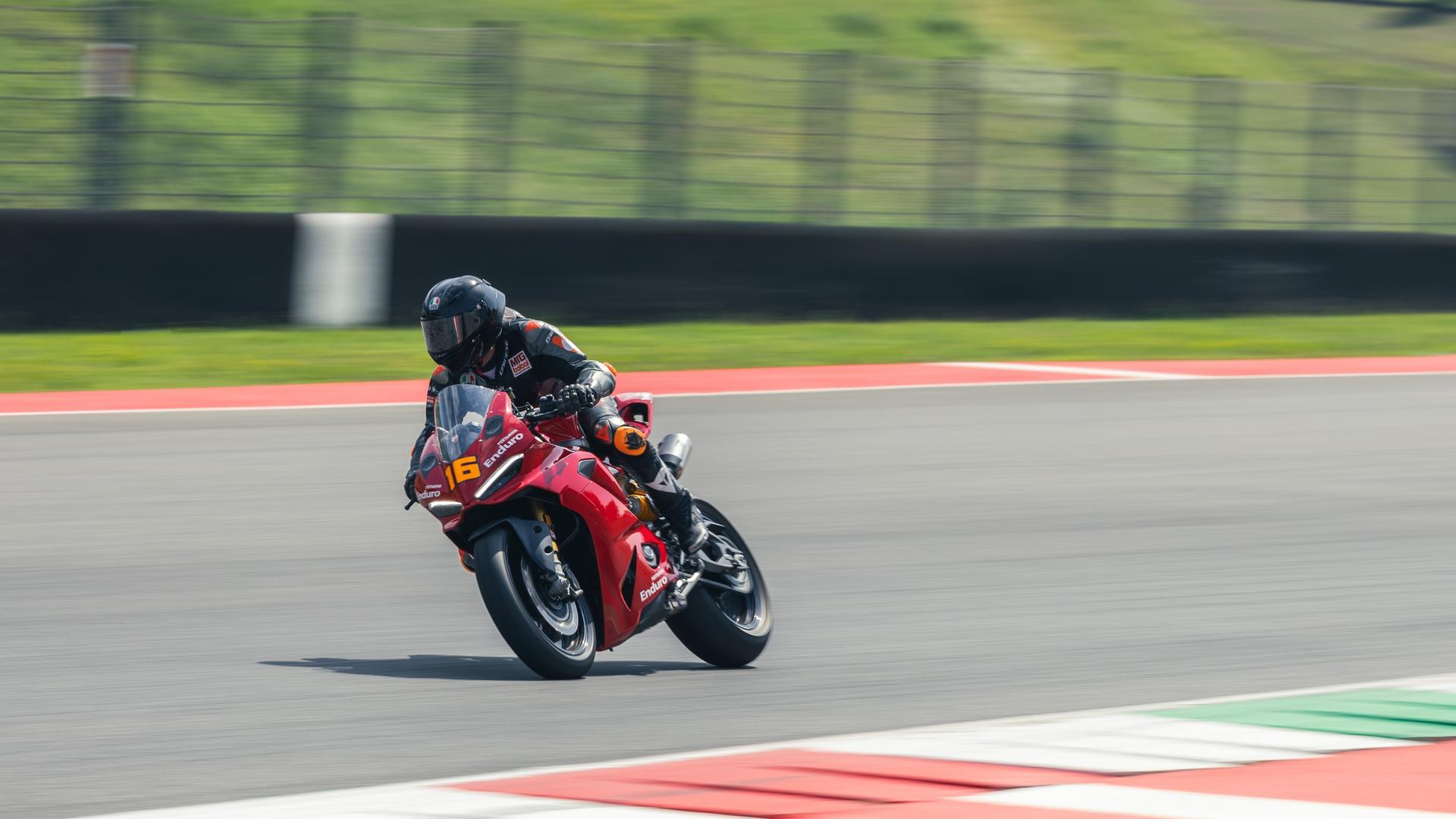
Thanks to the Academy, I have the opportunity to ride fairly regularly. When we train with the minibikes or the big bikes at Misano or Mugello, if I’m at home and can make it, I train too.
And there’s one thing I want to say: I don’t like to say “I stopped being a professional rider”. I still feel like a professional rider. If they told me tomorrow: “We found the bike for next year,” I would race. I prefer to say that “I don’t do competitions anymore”.
The last one I did was a wildcard in Moto2 in Barcelona in 2024. And it was perhaps the race I enjoyed the most in my whole life.
Otherwise, I continue to train: Ranch, track bikes, oval…I still do that.


How do you approach training today knowing that you won’t have a race soon?
Clearly I was more physically fit before. I spent the whole day on it: gym, preparation, training.
Since I stopped competing and started working on the team, the Academy, and the podcast, I have much less time to dedicate to anything else. Today maybe I have less stamina than those who continue to race at a very high level, like Bagnaia or Morbidelli. But I’m lucky enough to experience this without feeling any pressure. I don’t have to prove anything. Everything is less intense, lighter, but I still have a great time.
Then, when you get to the point where you think, “OK, to improve I have to do this thing,” the same thoughts I had when I was racing kick in. The difference is that now I have to stop.
Now, let’s talk about the VR46 Riders Academy: can you really be friends and then go head to hear on the track?
In my opinion, yes, but only up to a certain point: until you have something really important at stake and you are not a direct opponent.
When the pressure level rises and you really get into competition, it’s normal for the relationship to suffer a bit . I’m not talking about true friendship, but maybe after a close race you don’t immediately become friends again like before: it takes a few days to settle down.
But at the Academy, we were able to cultivate friendships even within a highly competitive situation.
Does the perception of risk change between the ages of twenty and thirty?
Yes, it changes. \\When you’re young, you have a lot to prove and you’re more willing to take the plunge.\\As you get older and more experienced, you don’t take the same light-hearted approach to proving something.
It also depends a lot on injuries, falls, accidents. It’s a very personal thing. Some people fall often and seem almost accustomed to it; others may fall rarely, but when they take a big hit they are much more affected by it.
It’s something that happens to everyone at some point, though.
Are the young riders coming into the World Cup today very different from your generation?
Totally. I arrived at the age of 18 and no one had taught me how to ride. I was basically self-taught, no method was followed, everything was much less professional.
Now, however, young people arrive very well prepared : they train on bikes, in the gym, they see sports psychologists. They do preparatory championships that are almost like world championships, and they arrive with a MotoGP mentality , even if they’re not yet old enough to compete.
Today, if you want to be at the top, you have to be a real athlete.
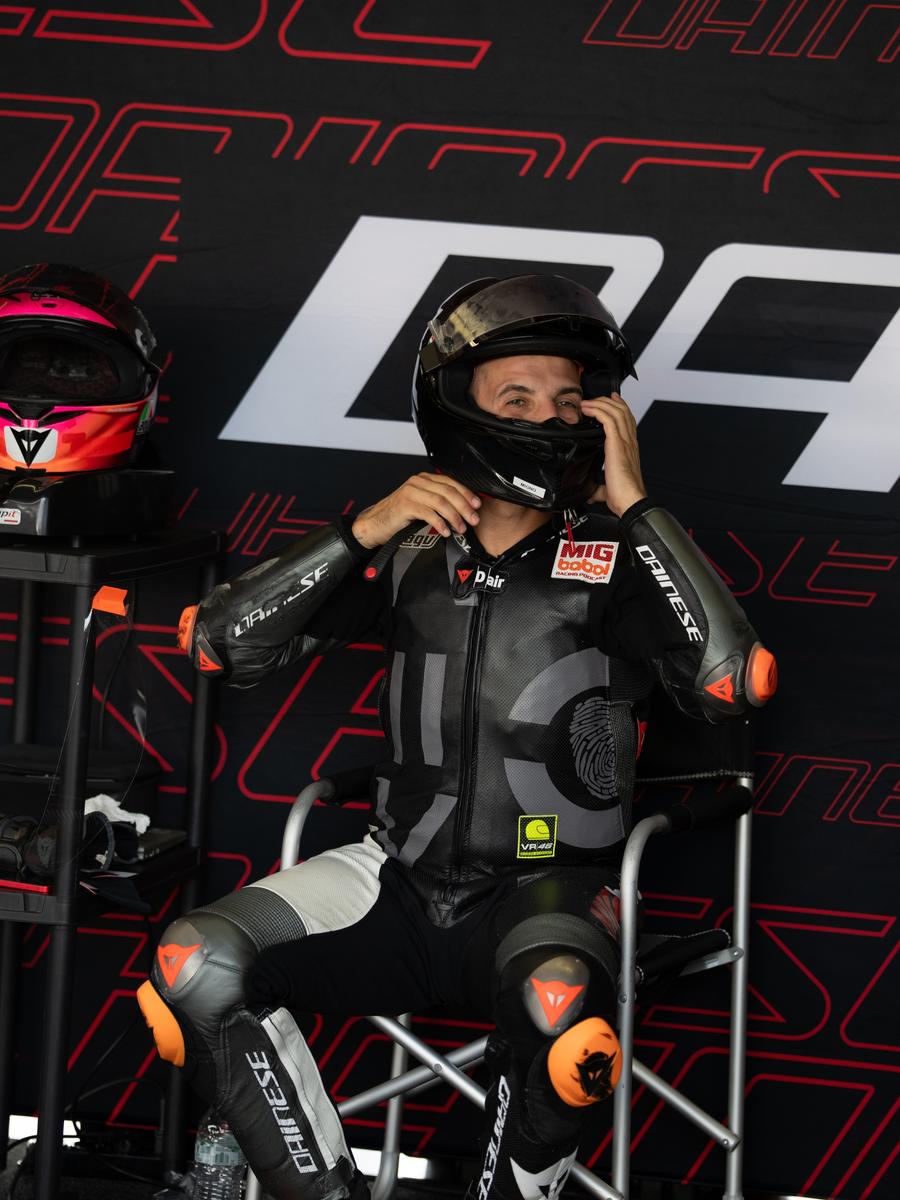
Let’s talk about technical clothing: since you’ve been wearing Dainese for many years, what has changed since you started out?
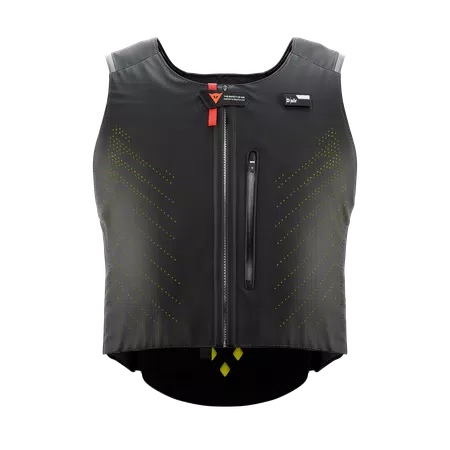
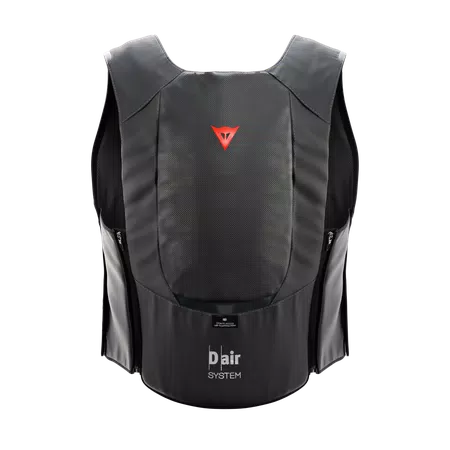
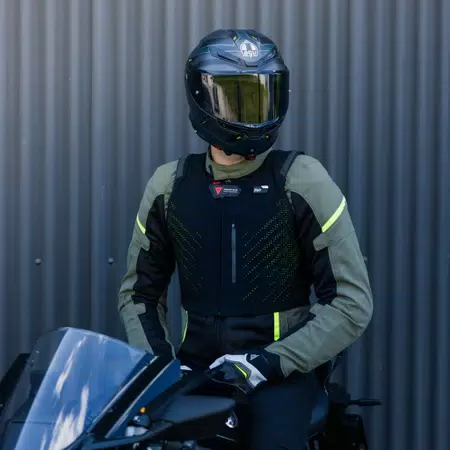
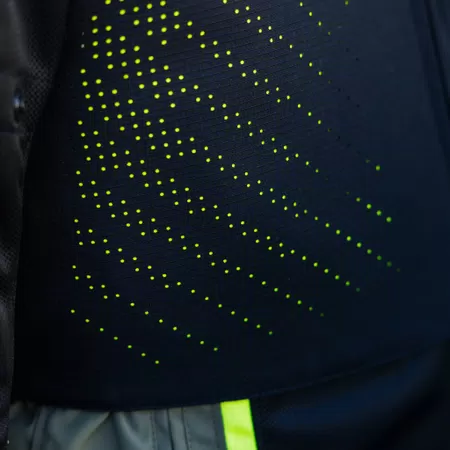
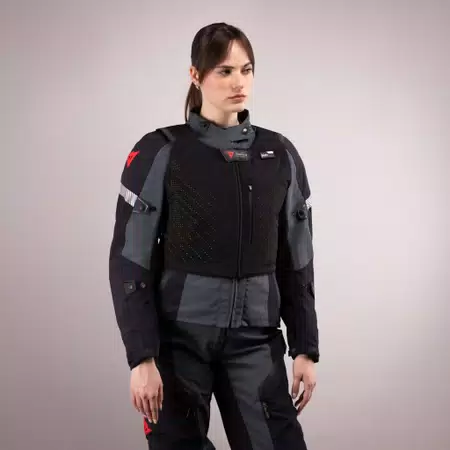
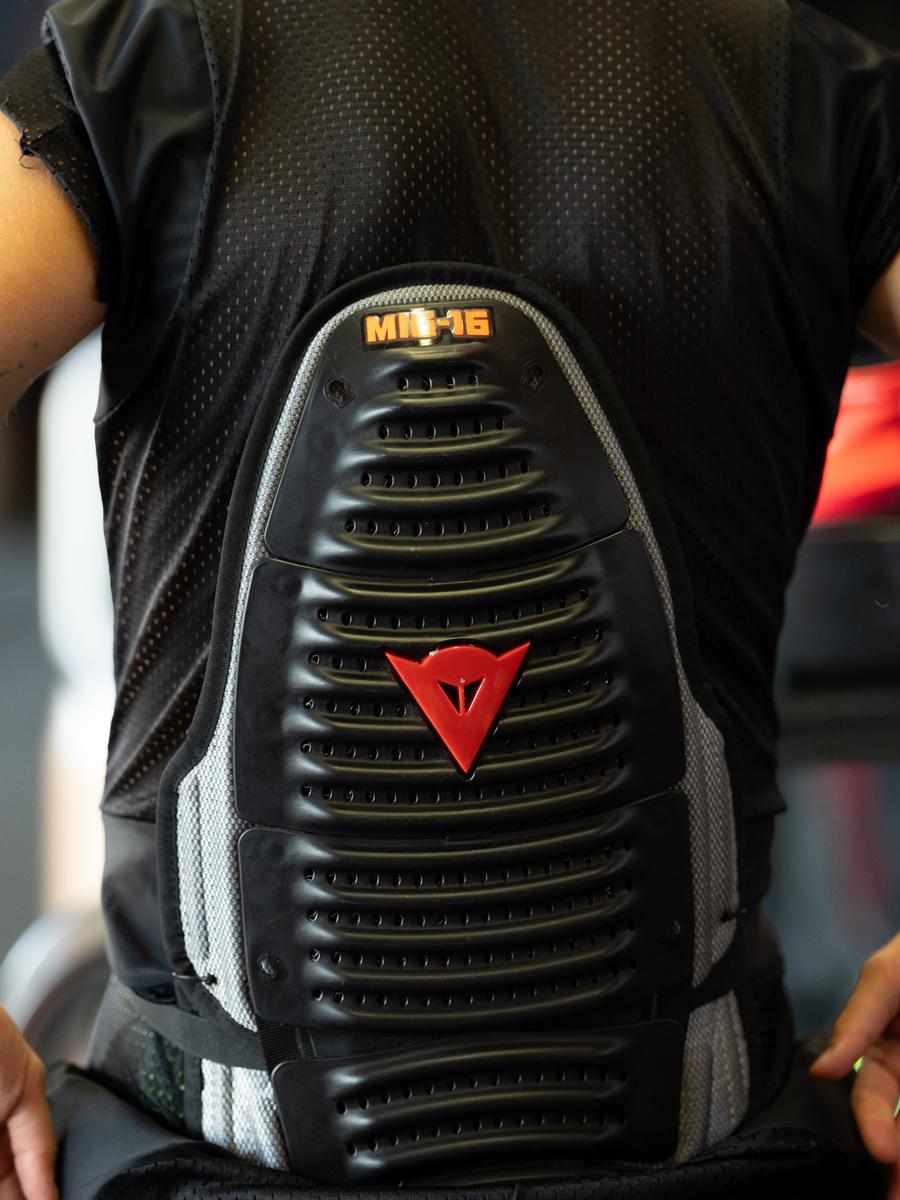
Honestly, when I started using Dainese gear, it was already very advanced. It was a different planet to the technical clothing I had used before: it already had an airbag, and worked very well. When you start from such a high level it is also difficult to make huge progress.
However, in ten years there have been many improvements in the details, especially in terms of ergonomics and comfort. If you ask someone who has lived through twenty or thirty years of developments, they might tell you about enormous differences.
What would you still improve?
I would like an even more comfortable and protective suit. Perhaps with an airbag extended over multiple parts of the body. And mobility, ergonomics, and fit can always be improved.
In your opinion, has safety awareness changed in recent years?
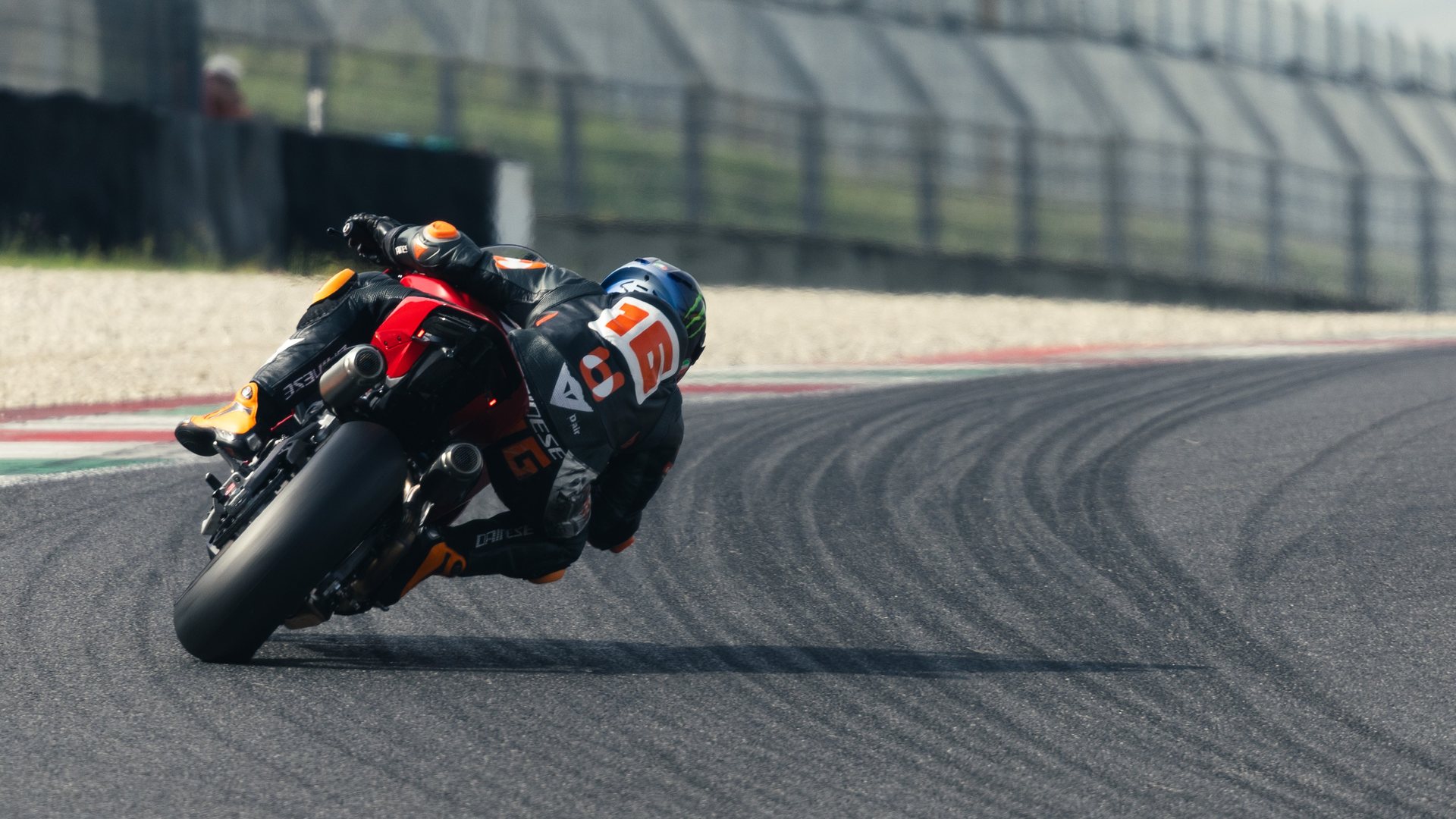
A lot, also because unfortunately we have witnessed events that have greatly increased the focus on safety. Both the tracks themselves and type-approval of the technical equipment have had to evolve.
It’s a good thing, of course, but in my opinion it’s never enough. I don’t like the fact that the very worst has to happen before the decision is made to change something.
Safety should always be a top priority, before entertainment and anything else. However, it must be recognized that enormous progress has been made.
If you had a magic wand, what would you change in motorsport?
The meritocracy. I would like to create a truly meritocratic system for both getting in and staying in, because money matters too much. Either you’re a phenomenon or you need a lot of money.
I’d like to create pathways where you get in on merit and remain on the basis of merit. Because today, you can pay to get in and you can stay without being paid, but it’s not fair: it’s a very difficult and very dangerous job. Ultimately, it is the riders who keep a system that generates millions afloat.
So yes, with a magic wand I would change that: I would make sure that riders could get in on the basis of their individual merit, stay on merit and get paid appropriately.
Today Mig divides his days between the VR46 box, the Academy, the podcast, and his motorbike training. But listening to him speak, it’s clear that the connection with racing, experienced first-hand as a rider, has never really been broken. And perhaps this is exactly the feeling that remains after speaking with him: Andrea Migno does many different things today, but he continues to look at the world through the eyes of someone still waiting for the stop light to go off.