

A motorcycle trip, especially if it's your first of the season, can be an unforgettable experience—or a string of hassles that are easy to avoid. The difference comes down to how you prepare before you leave.
Pre-departure preparation
As with anything, you need to be well-equipped and pay some attention to ensure the experience is free of hiccups. So, here's a list of tips on what to check and what to take with you before leaving on a motorcycle trip.
Motorcycle travel accessories checklist
First of all, preparation starts well before you leave: A few days in advance, take inventory of everything you need, based on the weather you expect to encounter. It's better to realize you're missing something a week before you leave than the night before departure. You might find that by the end of last season, that jacket was too worn out and needs replacing, or that you lent your gloves to a friend and never got them back—or worse, they ended up who-knows-where.
Technical riding gear and protectors
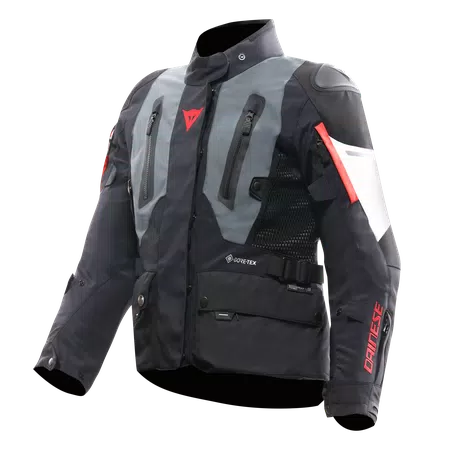
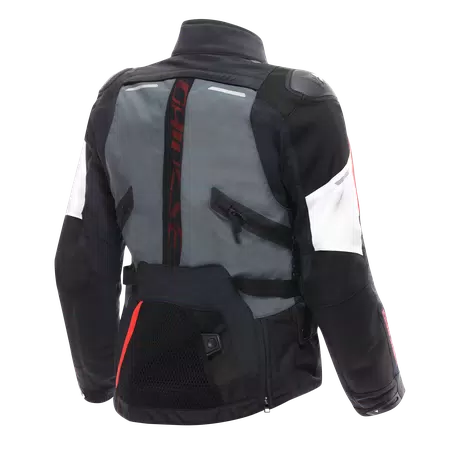
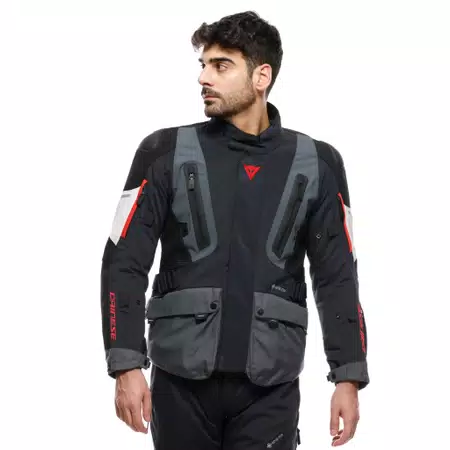
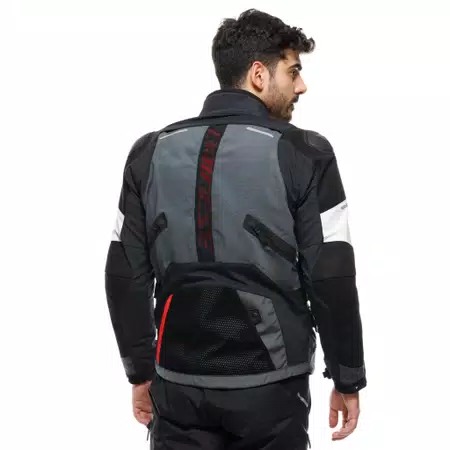
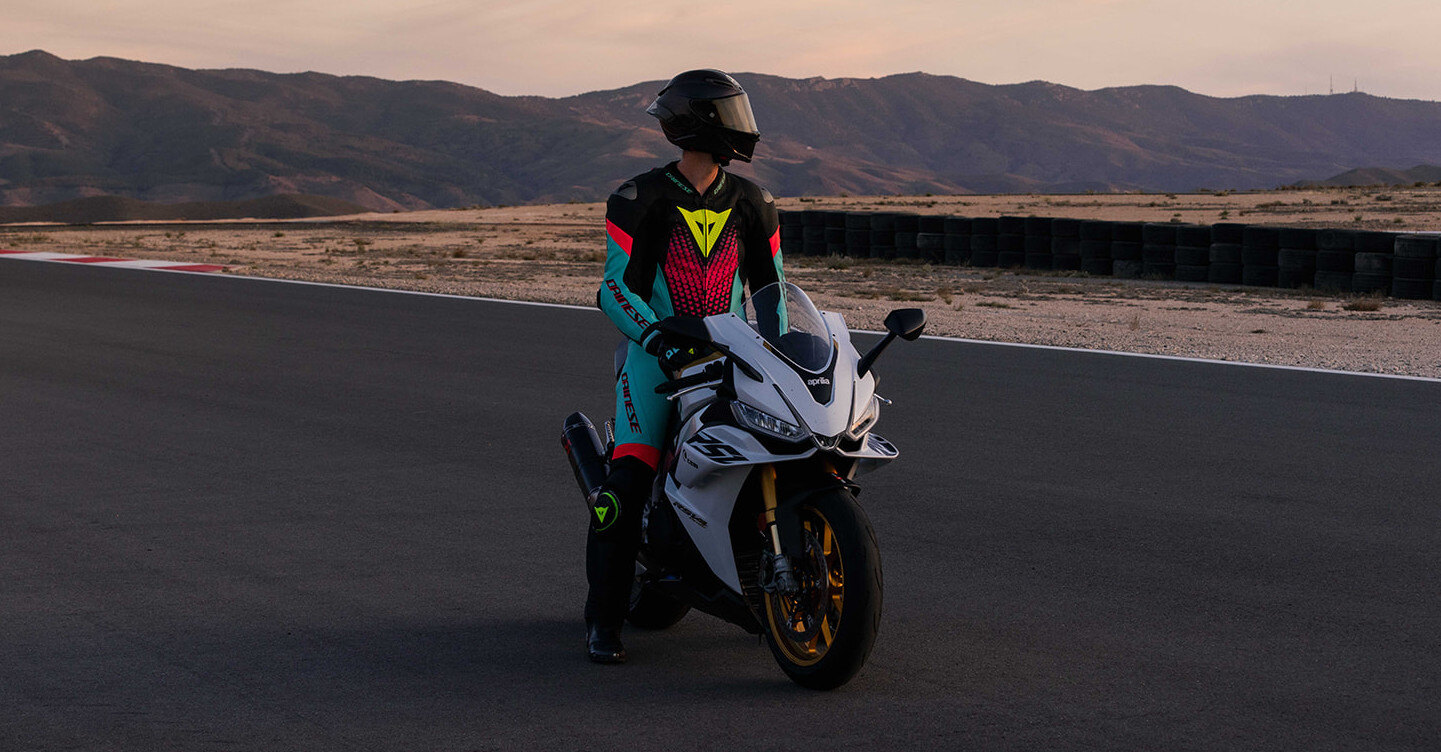
When it comes to how to prepare for a motorcycle trip, wearing technical riding gear isn't a nice-to-have—it's about safety. In a crash, it can make the difference between a few scrapes and more serious consequences.
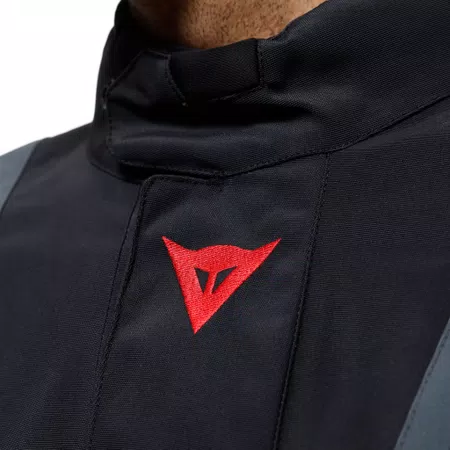
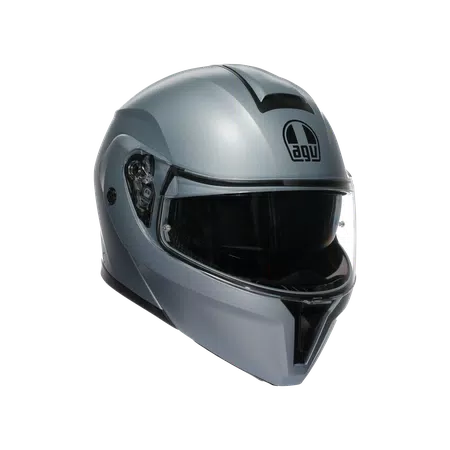
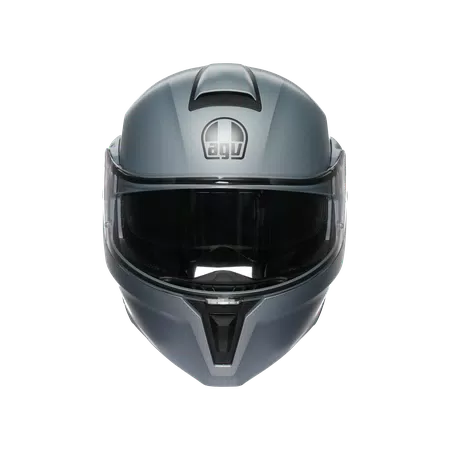
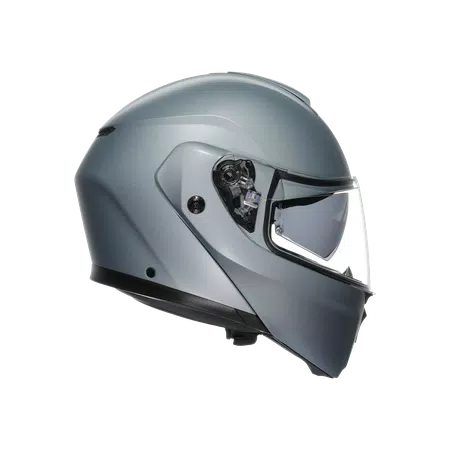
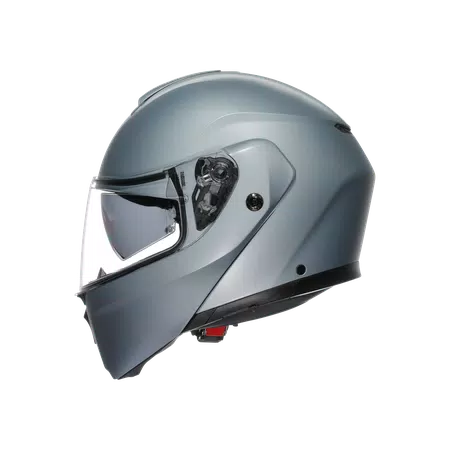
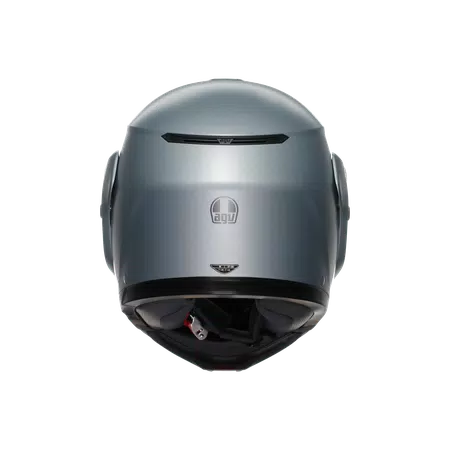
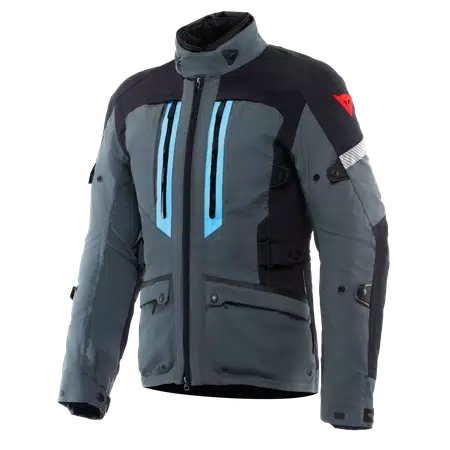
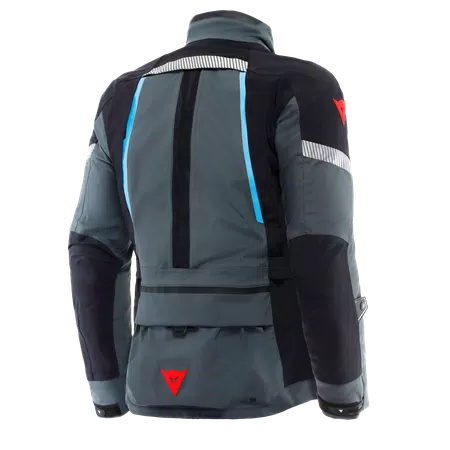
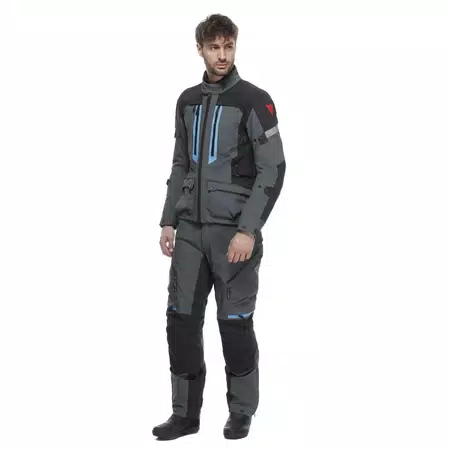
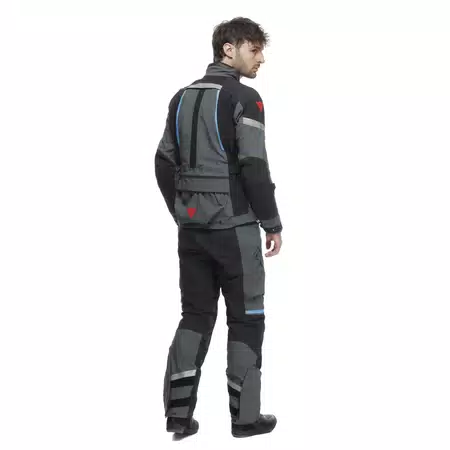
Beyond the essentials you should never go without—helmet, jacket-and-pants set, back protector, gloves, and boots—there are other add-ons that, while not strictly necessary, can improve the overall experience and comfort. In moderate conditions, roughly between 59 and 77°F (15 and 25°C), it's easy to stay comfortable, but in extreme heat or cold it's much easier to run into trouble.
Technical underwear and gloves
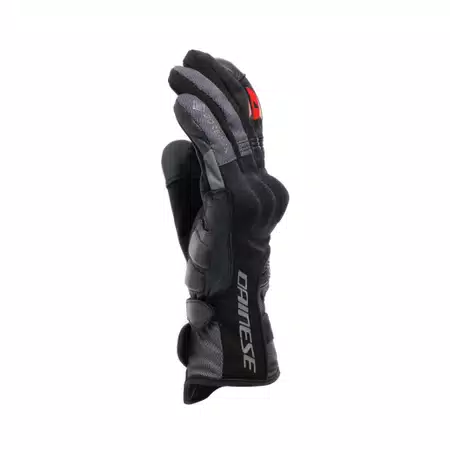
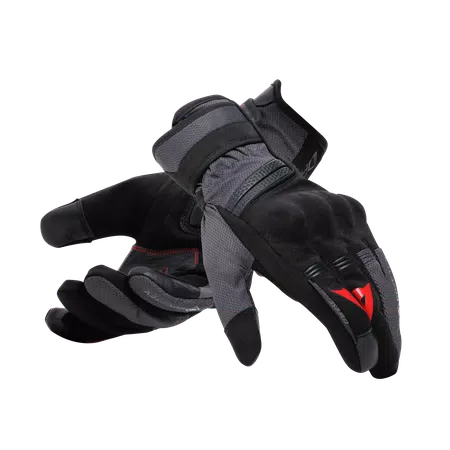
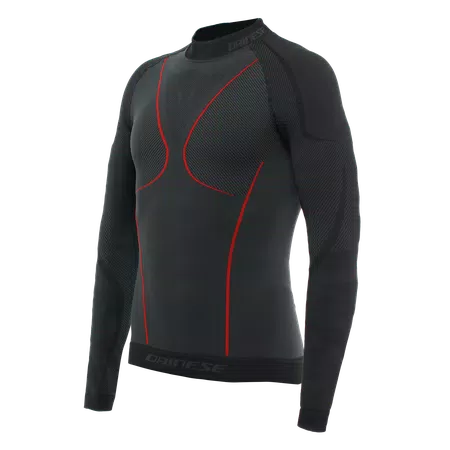
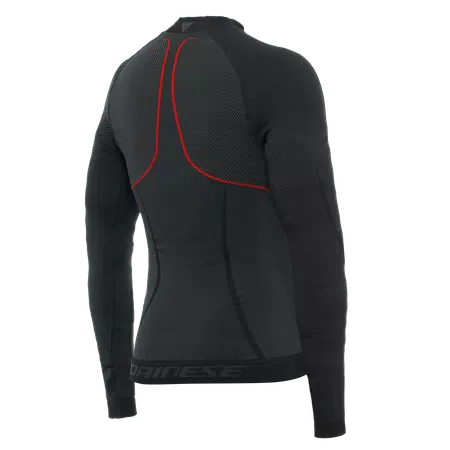
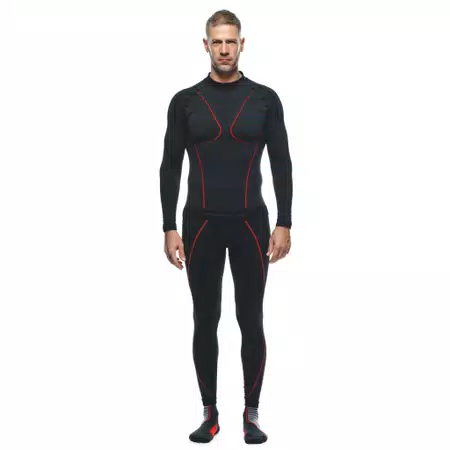
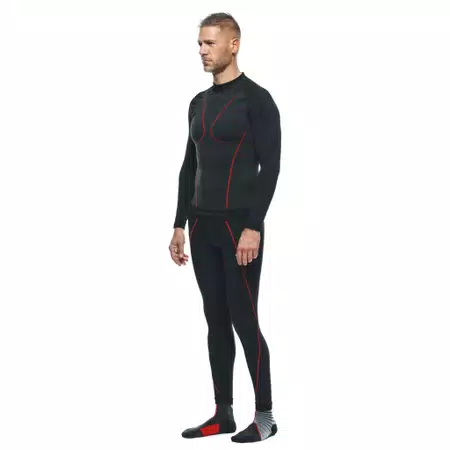
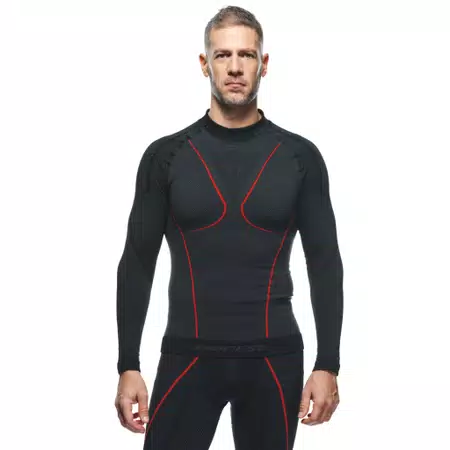
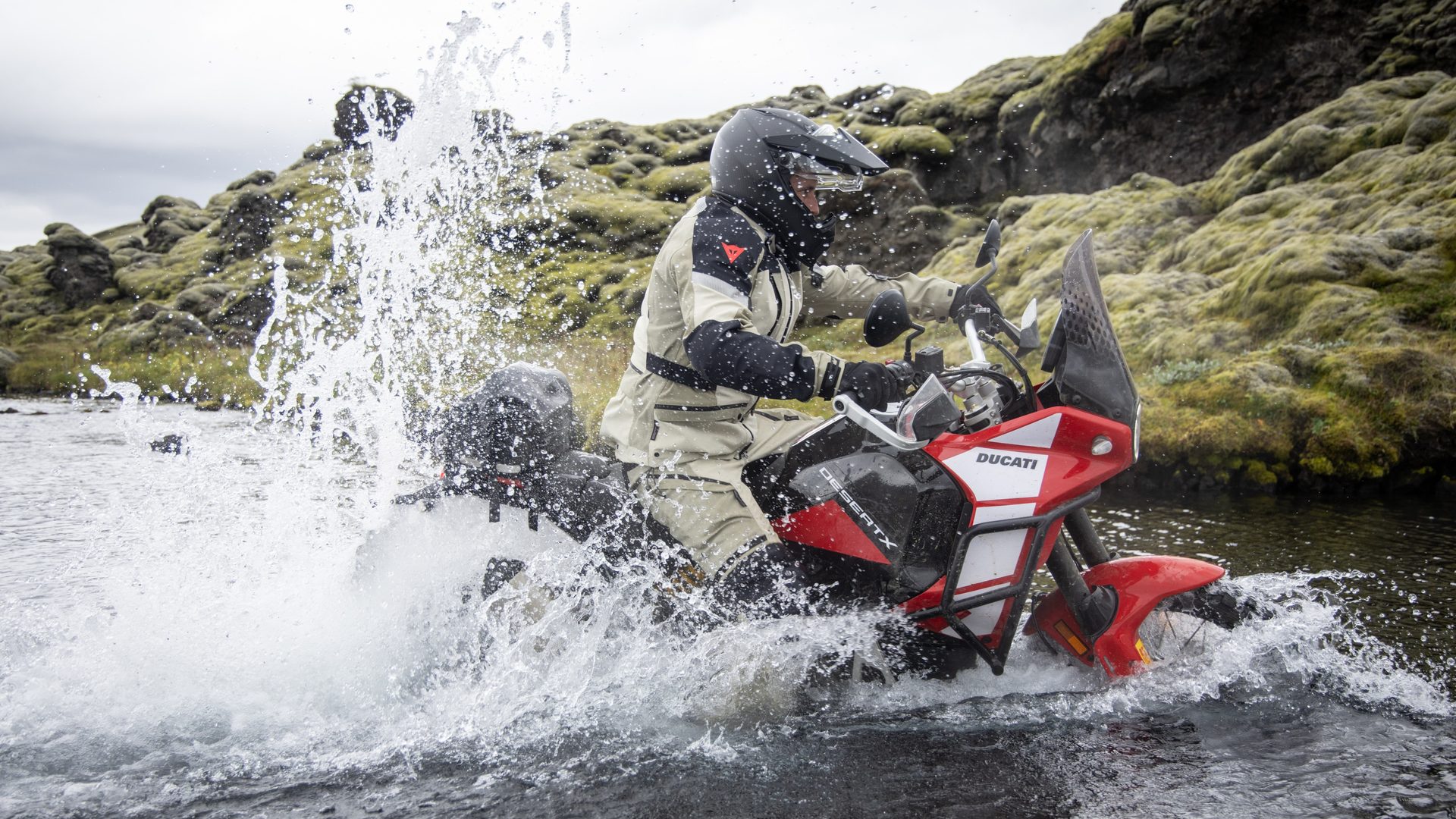
In both cases, and especially in cold weather, a complete set of technical jersey and long underwear, can make a real difference. The benefits of technical underwear include helping your body regulate temperature, retaining heat effectively, and drying quickly. Even in summer, however, lightweight long-sleeve jersey and long underwear can help, especially to avoid the annoying 'sticking' effect on your jacket and pants liners when you sweat.
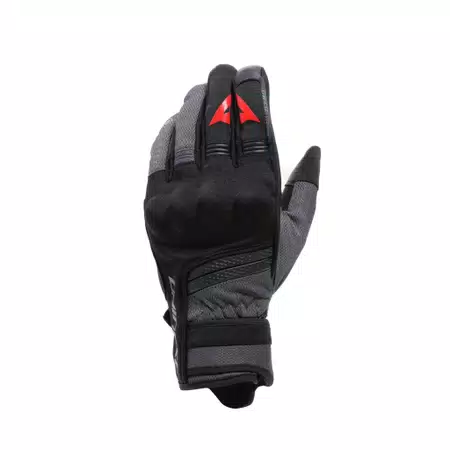
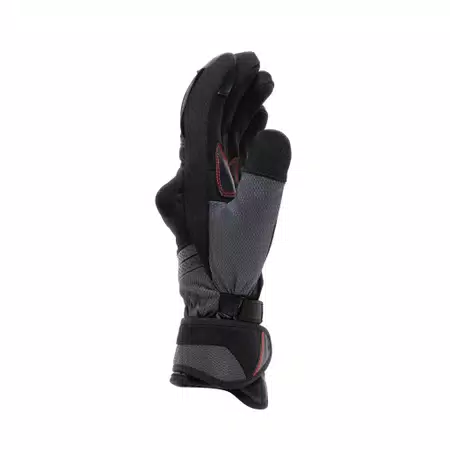
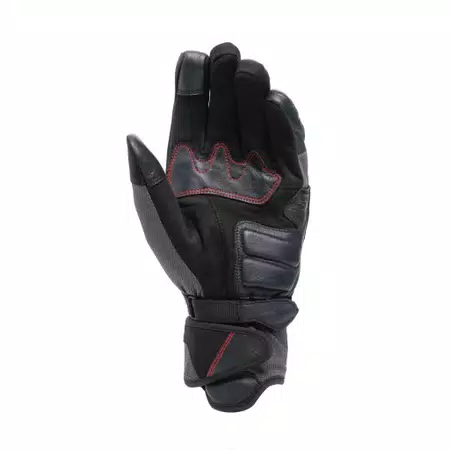
Another tip that can make a difference when you're getting ready for a motorcycle ride is to pack a second pair of gloves, lighter or heavier depending on what you plan to wear when you leave. If you're starting out with insulated winter gloves but still expect cold, you can use waterproof over-gloves, especially helpful on motorcycles without handguards and heated grips.
It's an add-on, but you can't do without it: The bike airbag
It's still unfamiliar to some riders, but it's now essential on every motorcycle trip. It's an airbag vest you can wear over or under your technical jacket. Dainese offers Smart Air, an ultralight sleeveless vest with an electronic D-air® airbag system designed to protect your back and chest. Through its sensors, it can detect crash dynamics and activate and inflate on its own. If you're wondering why you should wear it, Smart Air's airbag bladder is imperceptible until you truly need it and, once inflated, it's more protective than a traditional protector. For riders who take motorcycle travel seriously and want to handle the road's unpredictable hazards, it's indispensable.


Pre-trip motorcycle checks
Check motorcycle tire pressure and wear
Now let's look at what to check on your motorcycle, especially if this is your first ride after a long break. Before going on a bike trip, always check tire pressure and wear. To check the pressure, you could consider a digital pressure gauge, practical, accurate and with little bulk, while to check for wear, just observe carefully. Italian law says that the minimum tread depths is 1.6 mm, but you should also check for even tire wear: Motorcycles that have only been ridden on highways tend to develop a flat tread profile, worn mainly in the center.
Check the final transmission
If you have a bike with shaft drive, don’t worry about it; but if that’s not the case, then you should. A general inspection of the final transmission (chain – crown – sprocket) is always a good habit. If the chain is dry, you need to lubricate it, but it’s always best to clean it first using a brush and a specific cleaning product. However, if the sprocket teeth are excessively worn, it's best to replace the entire set. Finally, check the chain clearance, which must be within the range specified by the manufacturer.
Don't underestimate motorcycle lights
People often underestimate them, yet lights are among the most important components for those who travel by bike. You might end up traveling at night, or the sky might suddenly darken, not to mention that if the lights aren’t working you could get a fine. Always check the turn signals as well.
Make sure that the brakes are in good condition
Before going on a bik|e trip, check the condition of the brakes. In particular, the wear on the pads, visible to the naked eye without having to disassemble anything. For a quick check of brake rotor condition, all you need to do is feel them: If they feel mostly smooth, they're fine; if the braking surface is thinner in the center and gets thicker toward the outside, they need to be replaced.
Make sure the vehicle documentation is in order
Just as with the lights, people often neglect to check the documentation, but as you can imagine it’s essential to do so before traveling. It doesn't take much time: Just check the registration papers (you must be in order with the inspection) and that the insurance is active. Take a look at your license, too, to make sure it’s not expired!
Accessories for your trip
After reviewing what you absolutely need to check before leaving on your motorcycle trip, here are a few tips on the gear that's useful to bring along.
Tank bag
To carry with you all the accessories you need for a motorcycle trip you need some stowage: So it's best to start by fitting some bags to your motorcycle, and one of the most useful is a tank bag, where you can keep essentials such as your wallet, smartphone, Telepass, and more. To minimize the risk of unwanted movement, make sure your tank bag has a magnetic mounting system, in addition to the classic straps; and if it’s made of waterproof material, even better.
Motorcycle rain gear kit
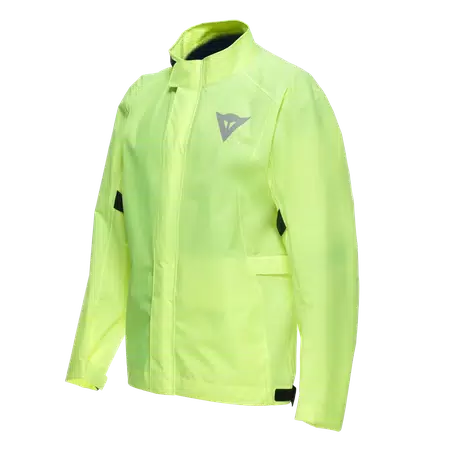
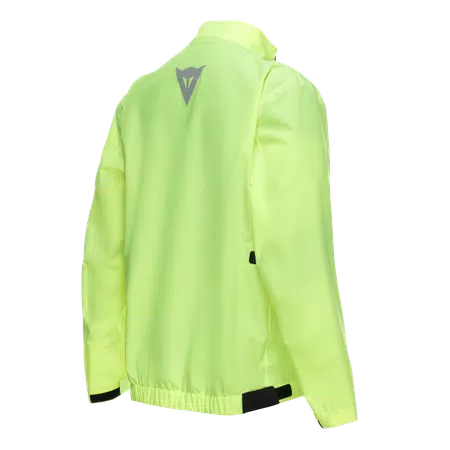
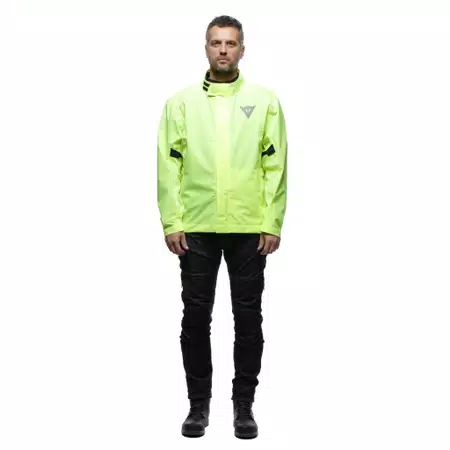
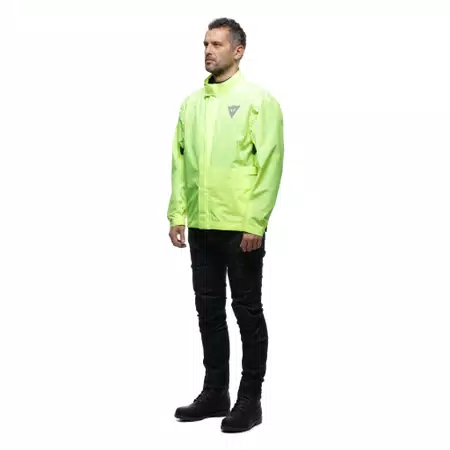
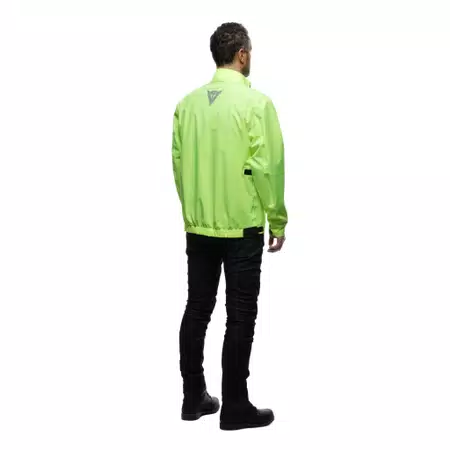
Experienced motorcycle travelers know this well: Not being prepared in a rainstorm can be extremely frustrating. A few minutes riding through a downpour can feel like a dip in the pool. Therefore, we suggest you always take with you a rain kit consisting of jacket and pants, or, more simply, a rain suit, especially if you want maximum protection.
Intercom
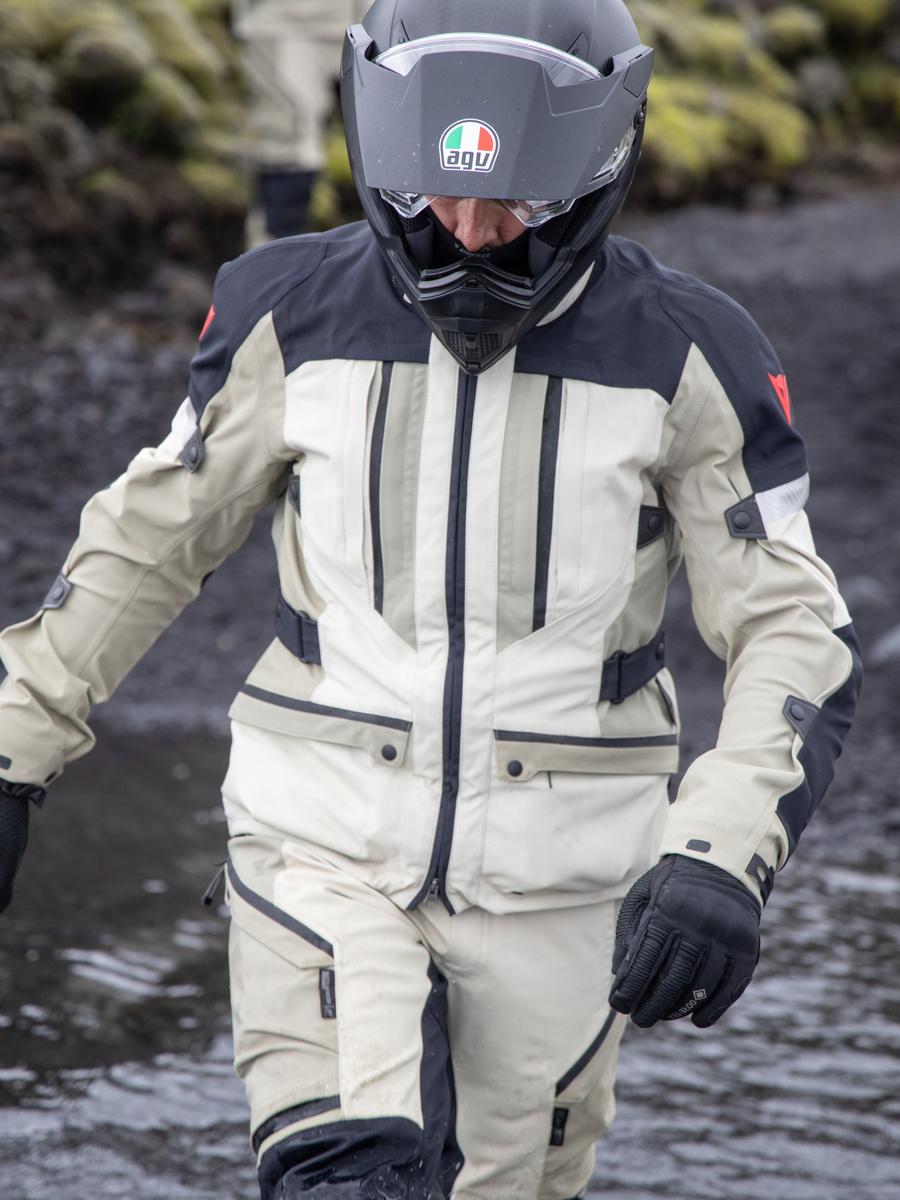
A very useful accessory when traveling in company is the intercom, a device known by most because it allows communication between driver and passenger. though it can actually do much more than just this. In fact, the intercom has many advantages: It allows you to listen to the navigation system, answer calls or hear the traffic news on the radio. We recommend you take a look at the AGV INSYDE, designed specifically for the Tourmodular helmet, which uses a technology called DMC, more stable than the classic Bluetooth system.
Backpack with water bag
It may seem obvious, but staying hydrated while riding in summer is often overlooked. We might not think about it because we’re often too focused on riding, but listening to what your body needs is paramount. In this case, a hydration backpack solves the problem. You won't have to stop for a drink during your trip.
As you have known, there are quite a few things to pay attention to before going on a bike trip. Some of these may seem minor, but we can assure you your trip will feel completely different when you know you don't have to think about anything except enjoying the road and the scenery.