

Not long ago, I came across a saying that some might find silly, but to me it’s pure genius. It went something like this: “You can say you truly understand something only when you can explain it to your grandmother.” That’s not a trivial thought — it’s sharp, and above all, incredibly useful.
In my opinion, all the amazing specialists of today — the ones constantly on TV — should memorize it. Beyond its literal meaning, I’ve always liked the image of bringing grandma into the conversation. I've even used it myself, from time to time.
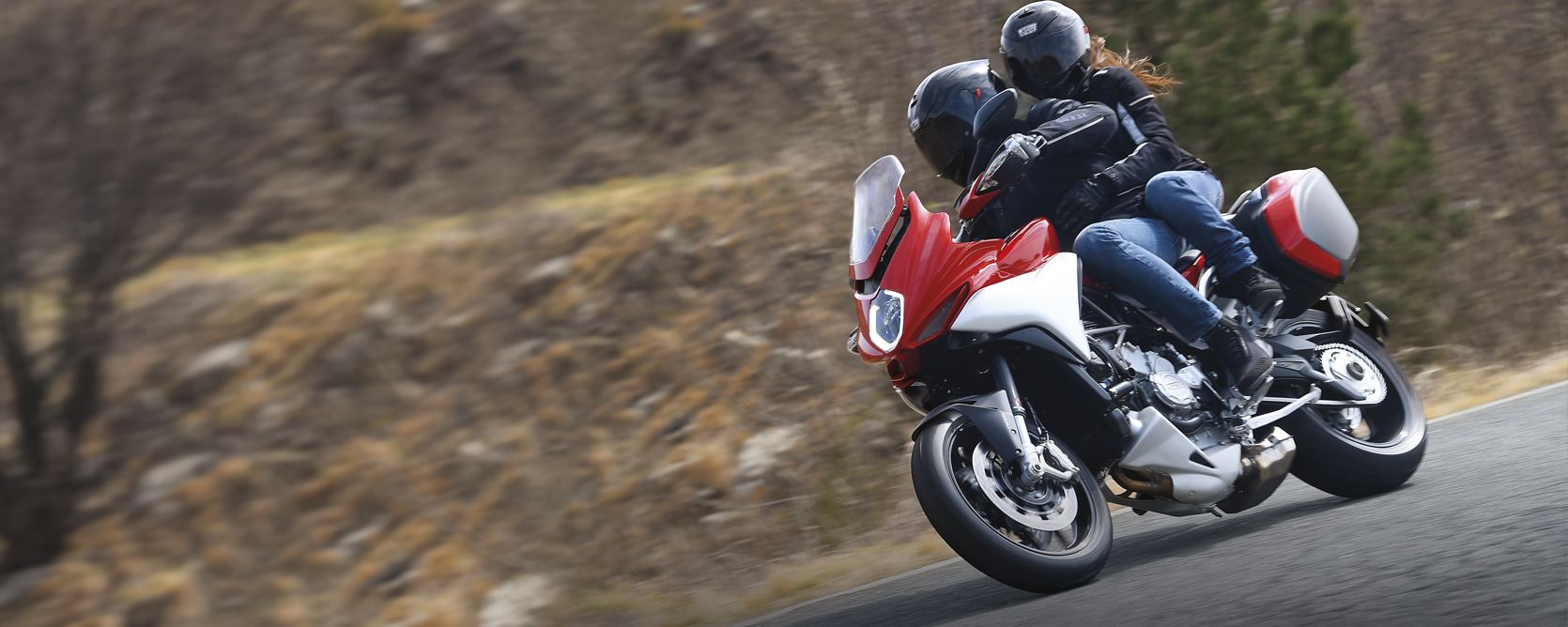
When I try to explain to a friend what I mean by good riding, I usually say that it has nothing to do with late braking, extreme lean angles, or cracking the throttle wide open on corner exit. That’s track stuff — and anyone can do that, more or less. I, on the other hand, take pride (modestly!) in riding well on the road, because I believe in one thing: I could carry my grandmother on the back without scaring her in the slightest. And those are exactly the words I use — grandma and scare.
To me, beautiful riding means being round, smooth, with fast but gentle gear changes, progressive braking, letting the engine brake do its work, and keeping load transfers to a minimum. I’ve never actually taken my grandmother on a bike, but trust me — when I ride like that, my passenger wouldn’t even need grab handles. They could float in space, totally relaxed, still perfectly seated on the saddle.
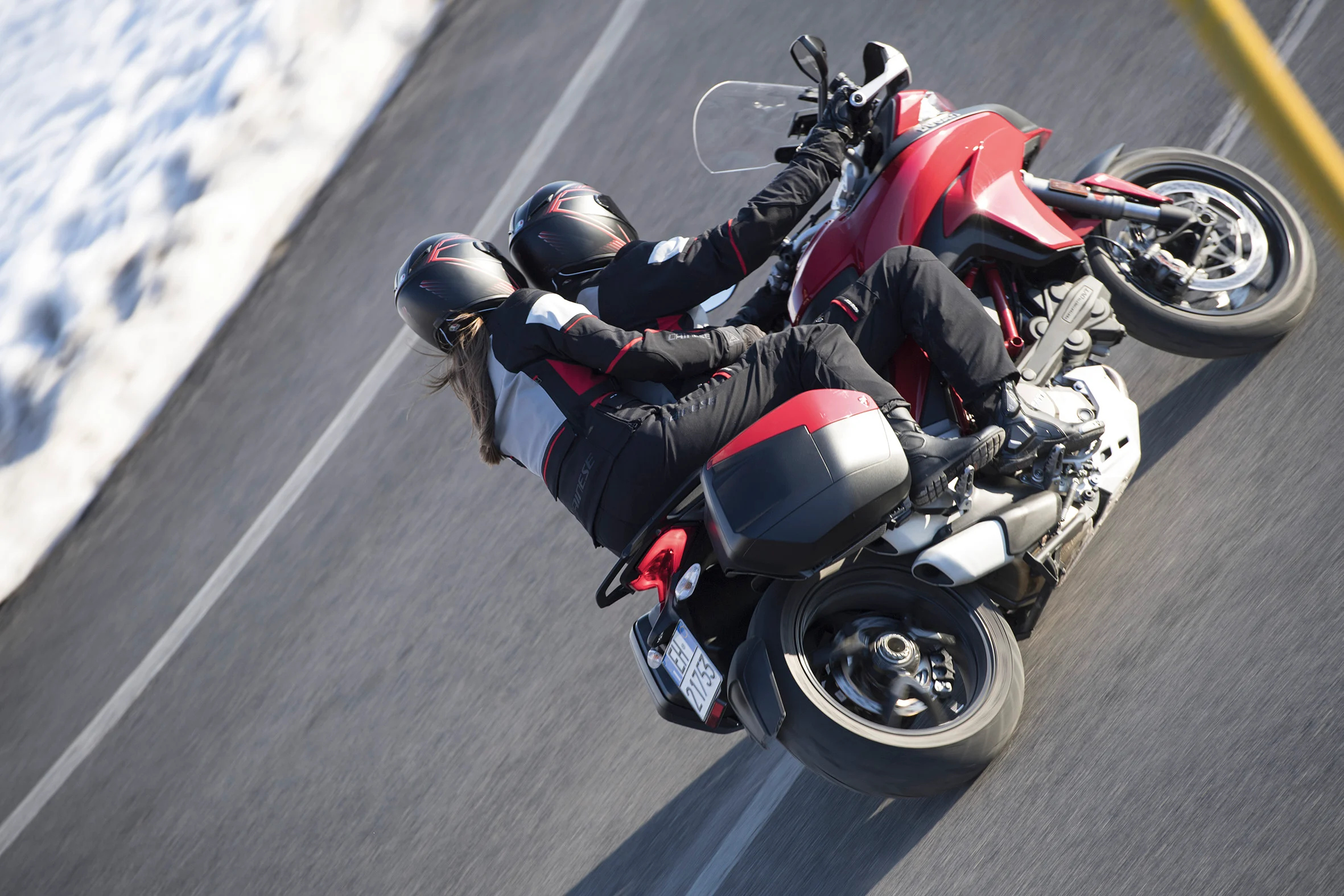
Few things bother me more than jerky riders — full throttle, full brake, all the time. I completely understand beginners — nobody is born a perfect rider — but I can’t stand the so-called “experts” who rev the engine in low gears for no reason, mistime every shift, fail to prepare the engine for a downshift, or squeeze the brake levers like they’re doing a gym workout. Their passengers — whether friends, girlfriends, or boyfriends — end up with headaches, knocking helmets at every wrong move.
So let’s go back to where we started: Picture your fragile, elderly grandmother trembling slightly on the seat behind you. And act accordingly. Actually, while we’re talking about relatives, I’ve come to add another type of “family member” to the picture when I ride: children — even grandkids.
When I was younger, I rode without much thought. I had a black-and-white view of the road. Everyone — pedestrians, drivers, other motorcyclists — fell into one of two categories: those who knew what they were doing (worthy of respect), and those who didn’t (should stay home). You know what I mean. I’d see someone make a good move and think, “Cool.” I’d see someone clueless and think, “Idiot.” I had no sympathy.
Then I started thinking: the person cutting me off in traffic might be my own son, freshly licensed. That nervous girl slamming the brakes at a yellow light — she could be my daughter. And that little boy jumping off the curb with his tricycle? Maybe he’s my grandson — full of energy and not yet aware of how things work. That shift in mindset made me more tolerant, more aware — and more careful. Not everyone has to be Valentino Rossi to have the right to ride.