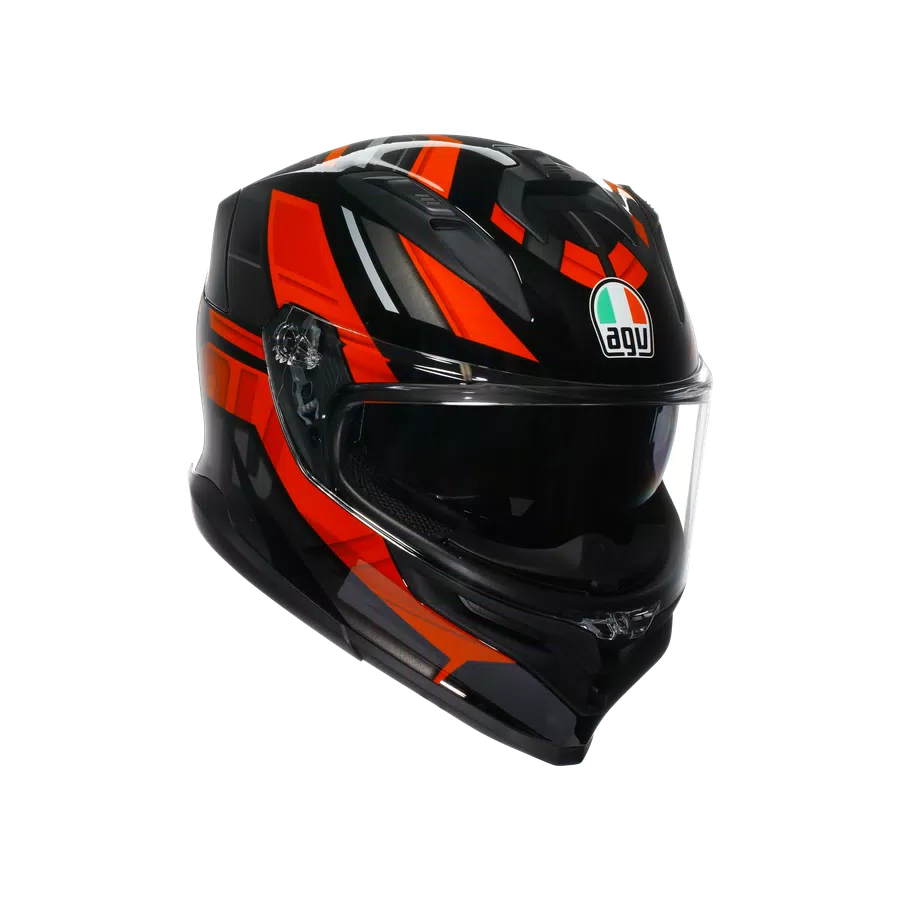
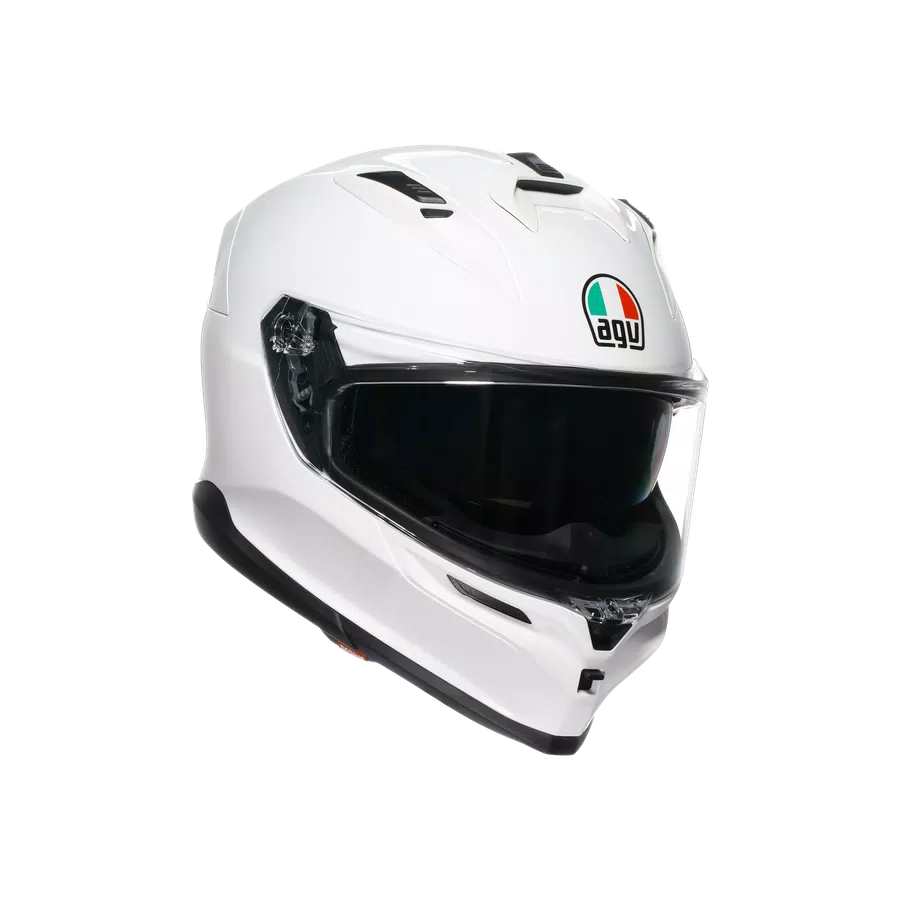
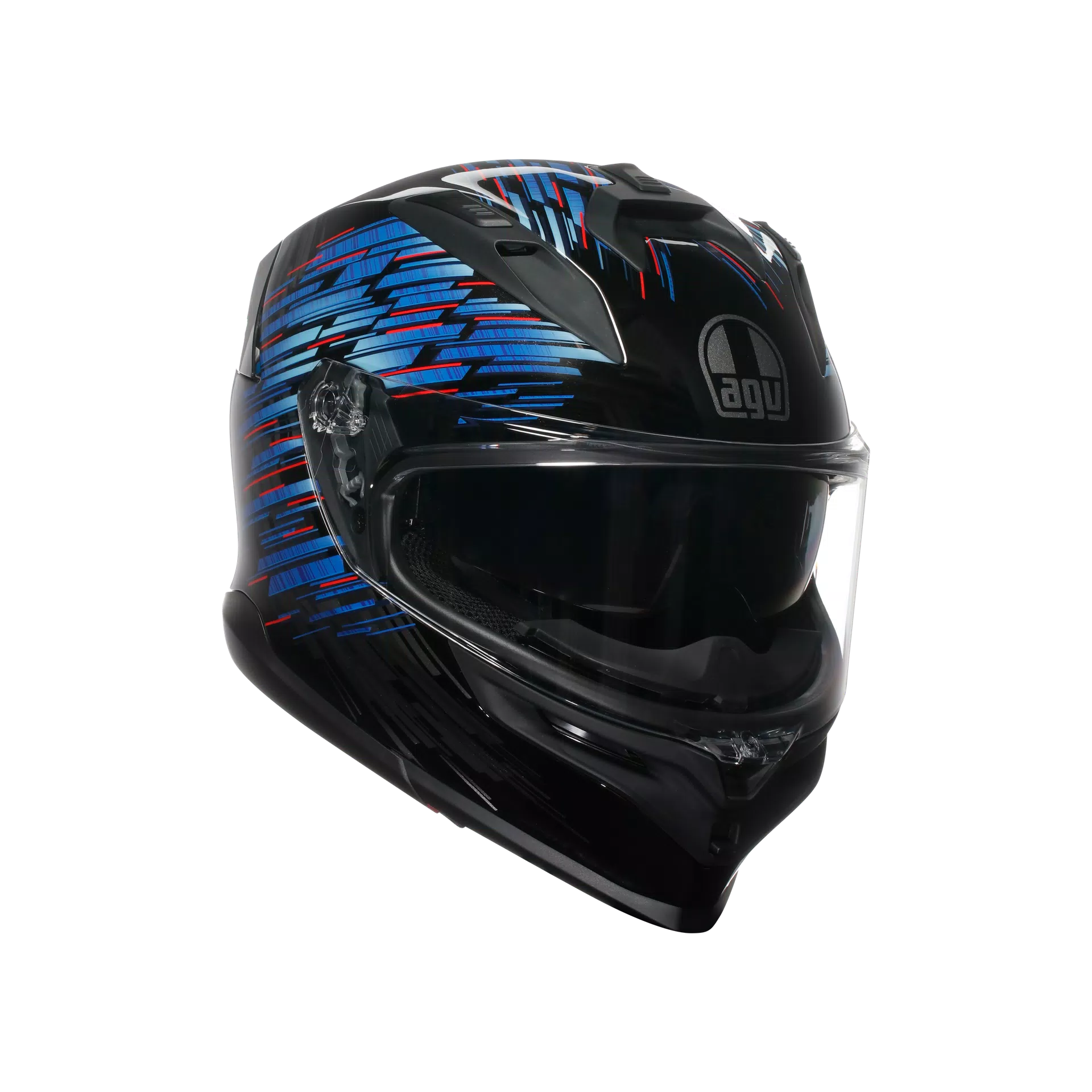
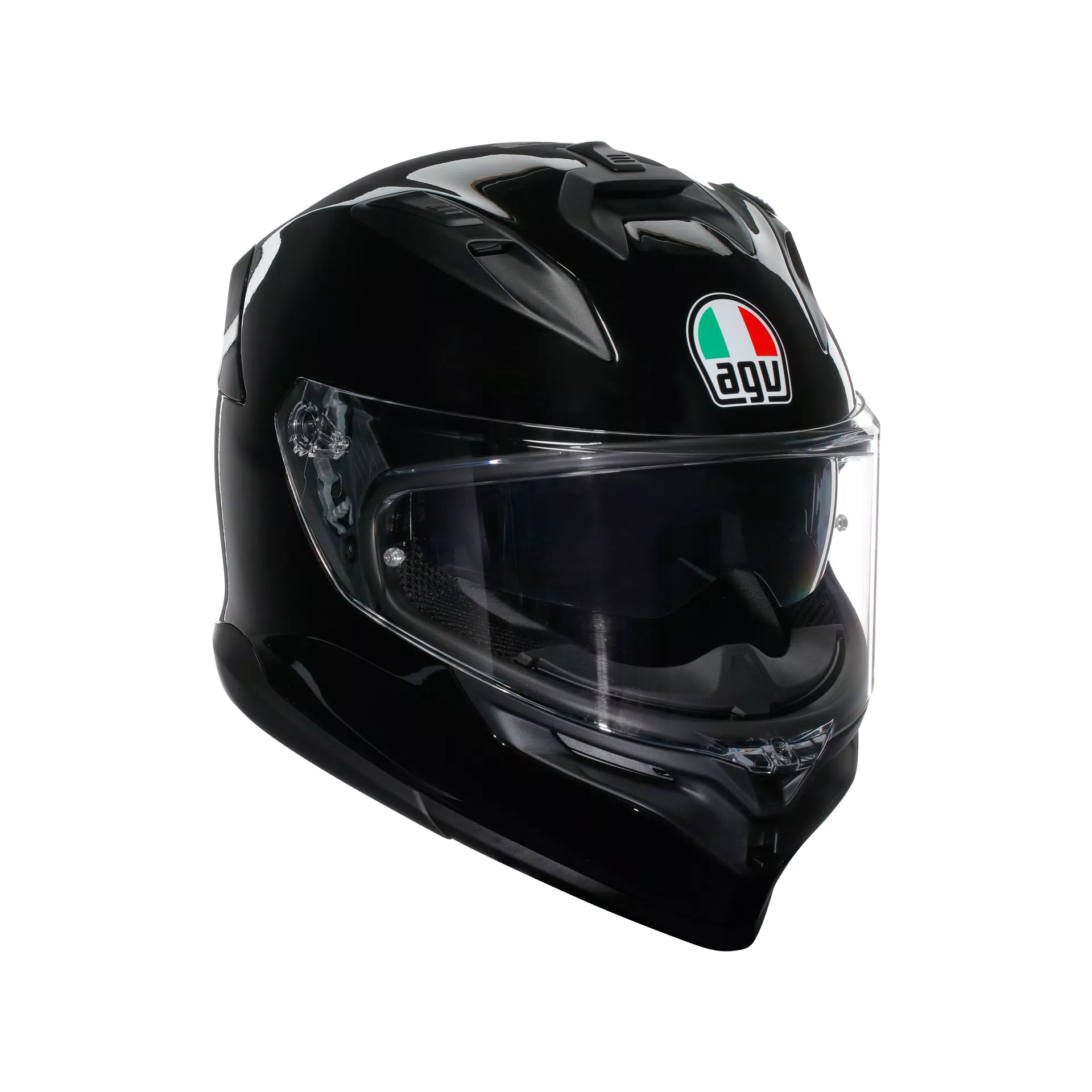
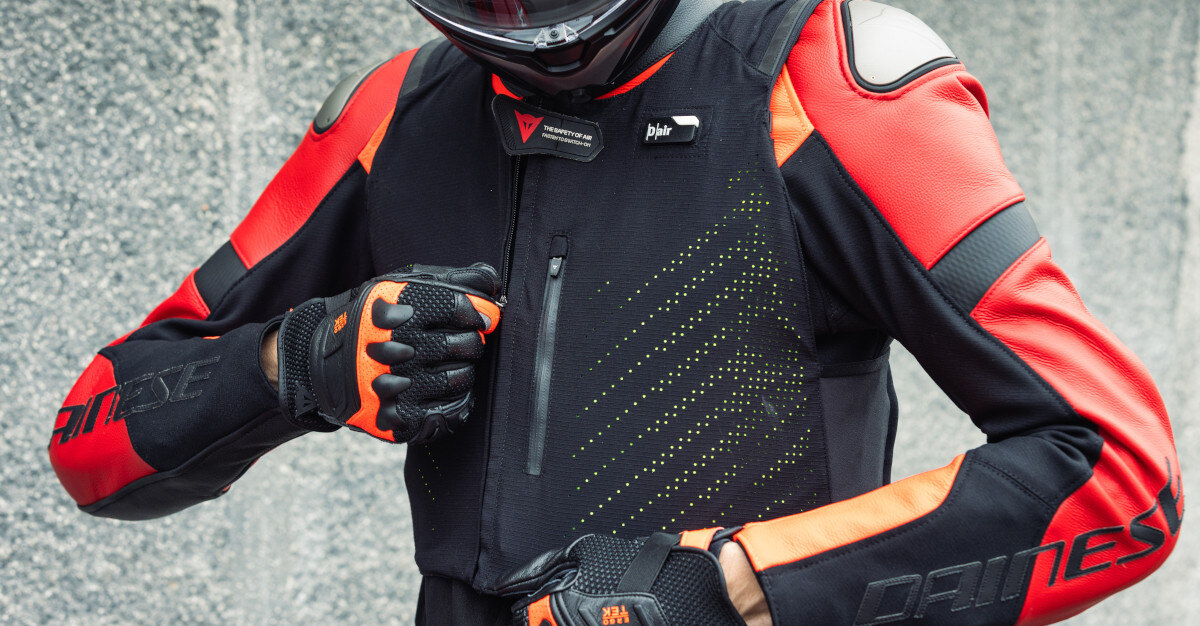
Choosing motorcycle clothing is a ritual almost as important as choosing a motorcycle and the most unique element of them all is the helmet. Choosing the best motorcycle helmet for yourself and your motorcycle use is not always straightforward, especially in the field of sport touring road motorcycles, which combine features from two distinct worlds. Owing to engaging riding dynamics and a comfortable riding position, these motorcycles are responsive on bends yet comfortable during journeys. Just as with motorcycles, a good sports touring helmet must also meet such seemingly conflicting requirements. So, here are our tips for purchasing a motorcycle sport touring helmet.
At first glance, this kind of helmet might look like just another full-face helmet, but it conceals several features that place it on a different plane. Here are the main differences between a sports helmet and a touring helmet – the sports model focuses on lightness, the ability to better cut through the air at high speeds and, in terms of design, aggressive lines. The sports touring helmet features these same key traits but reconcile them with other requirements, those of motorcycle travelers – absolute comfort, maximum noiselessness, the ability to adapt to changing weather conditions with just a touch.
Features of the sports touring helmet – construction
The shell
A good sports touring helmet’s shell is designed to cut through the air at constant riding conditions, at a speed of about 120/130 kilometers per hour. To achieve the desired goal, AGV develops its helmets in a wind tunnel by testing them at precisely this speed, so as to realistically simulate the conditions encountered on the road. The result will always be a stable helmet that doesn’t generate annoying rustling noises or turbulence at this speed.
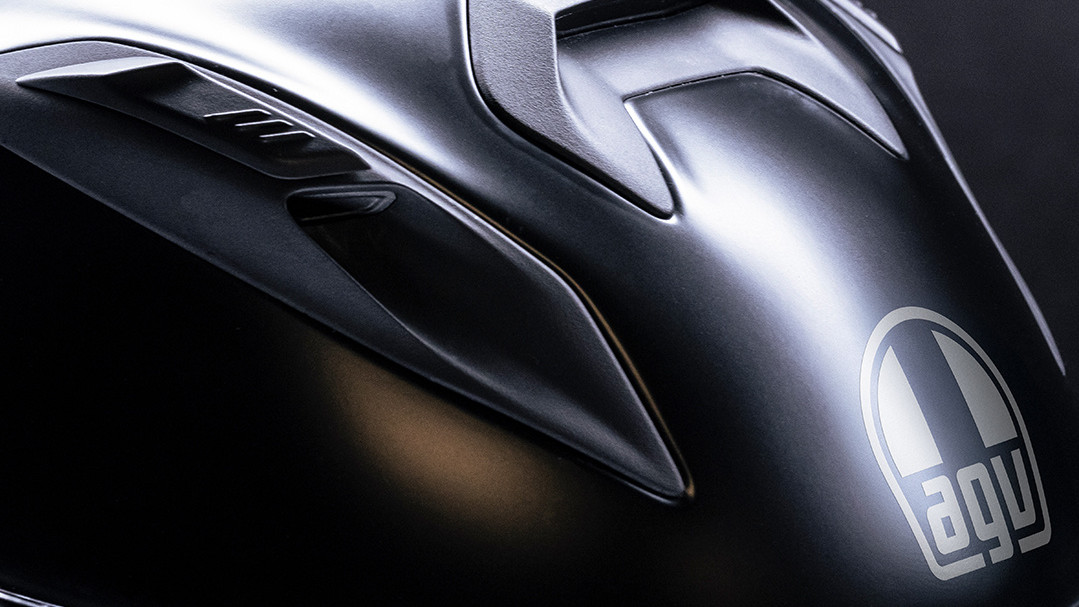
As for the material used, in our opinion the best solution for a full-face sport touring helmet is composite fiber, a mix of carbon fiber and aramid fiber – an excellent balance between safety, weight and the final cost of the product. This is what can make a difference on the final result, unlike purely racing helmets, where every little detail and gram counts.
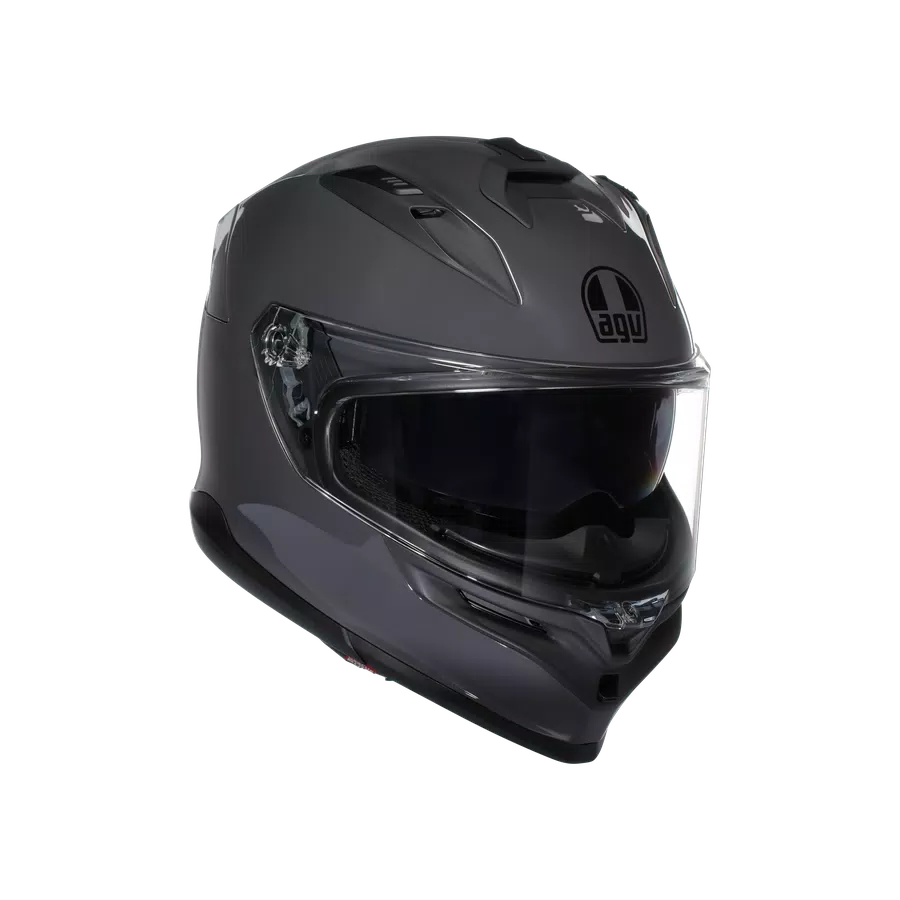
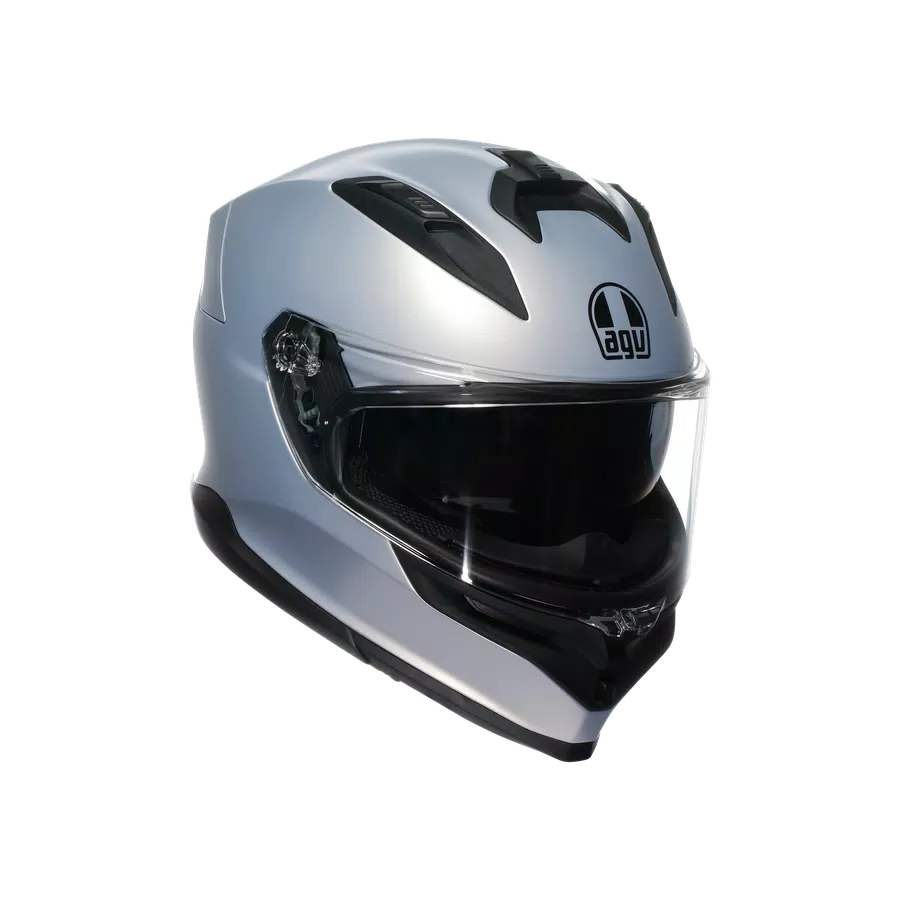
Another consideration concerning the shell is the number of sizes in which it is made. For its sports touring helmet, K7, AGV produces three different shell sizes, from XS to XXL. The greater the number of shell sizes, the greater the likelihood that each helmet size is in proportion and optimized for overall weight and bulk. To be clearer – if helmets were produced in just one shell size, they’d have to be wide enough to accommodate a size XXL head and would be too bulky for an S or XS.
Interior
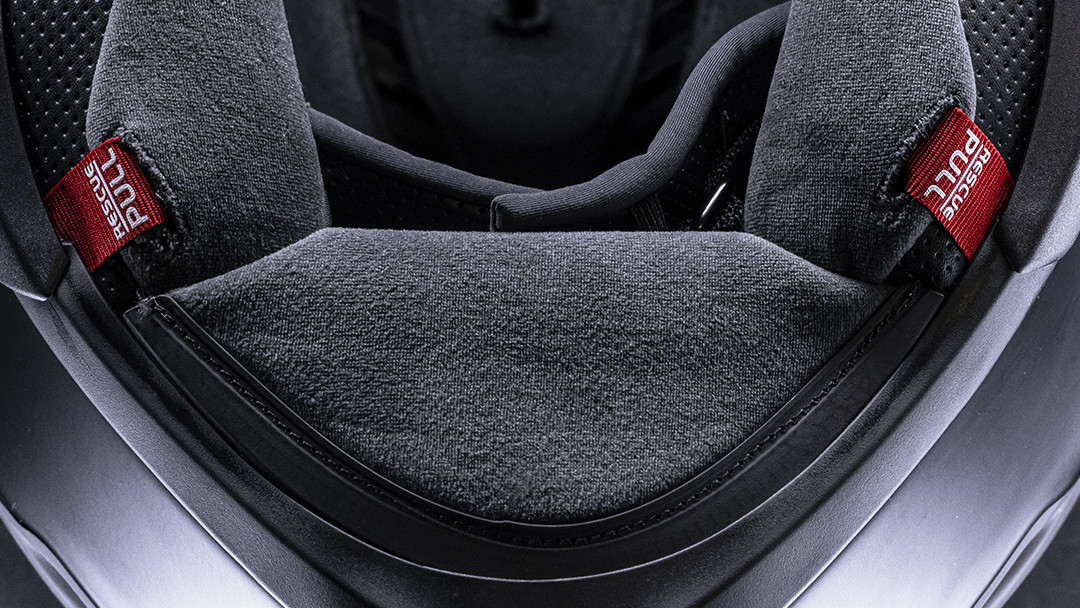
The interior must be designed to obtain a comfortable helmet for long trips. When wearing it for several hours, a mild discomfort can turn into real pain, so all details must be considered – every seam must perfectly integrate into the padding. The latter must be lined with hypoallergenic fabric capable of wicking sweat away from the rider's head, and be removable and washable, for obvious hygienic reasons. That’s not all. Interchangeable cheek pads with different thicknesses allow to find the perfect fit for everyone's face.
A major aspect is the soundproofing of the sport touring motorcycle helmet. A helmet designed for long trips should provide as restful a riding experience as possible. The cheek pads extend to the earcup area to effectively dampen wind noise.
Field of vision – the visor and its mechanism
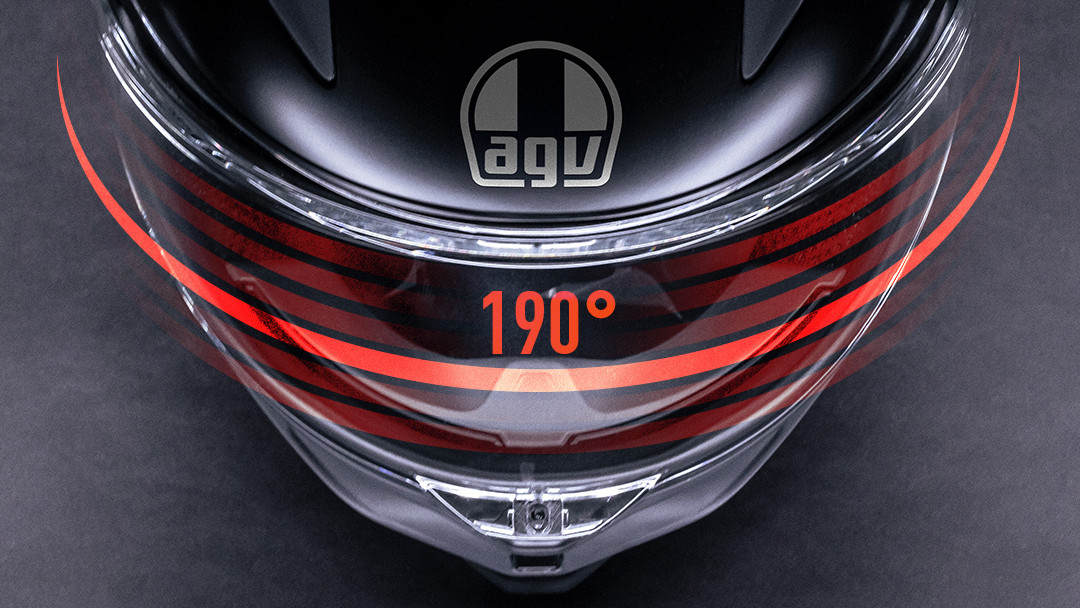
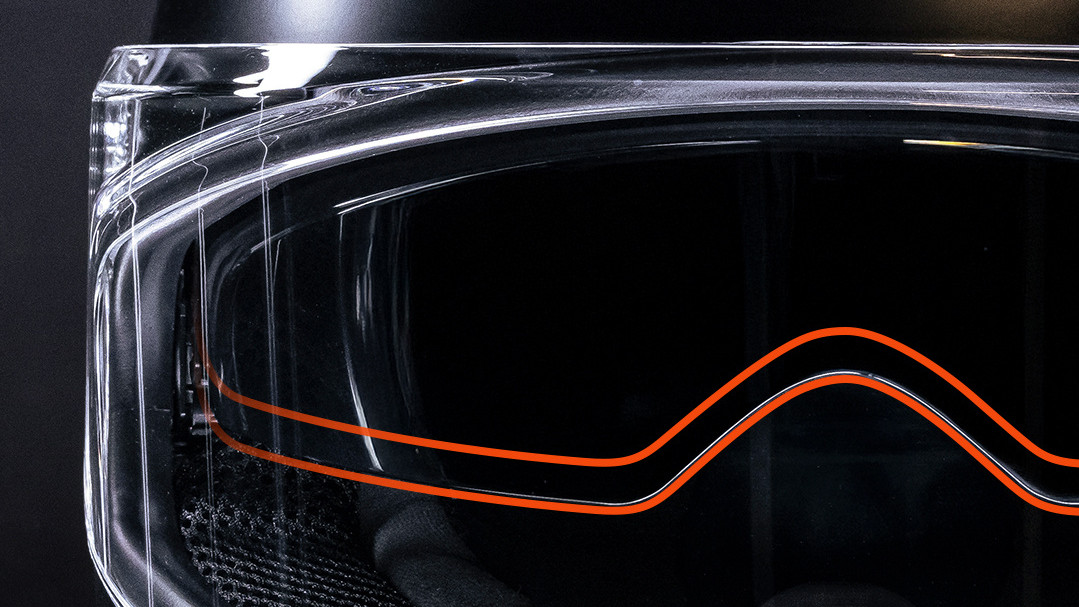
There’s much to be said on the visor of sport touring motorcycle helmets, but it all starts from a simple premise – a wide field of vision clear of interference helps, always. Whether riding on track, in the city, in the mountains or on the highway, catching a glimpse of everything that’s going on around us, even if only from the corner of your eye, can make a crucial difference. This is why the shape of the whole shell, and consequently of the visor, must ensure a sufficiently wide field of vision that doesn’t limit the capacity of the human eye. Indeed, the horizontal range of the AGV K7's field of vision is 190°, equal to that of the human eye. The sooner we notice another road user or any object approaching us from our blind sides, the sooner we can prepare to maneuver accordingly.
Equally important is the compatibility with Pinlock. This is a sun visor to be placed inside the visor that creates an intermediate chamber between the outside and inside of the helmet, therefore mitigating the temperature difference between the different zones – this prevents condensation forming on the warmer side of the visor, an issue that occurs especially on cold or humid days.
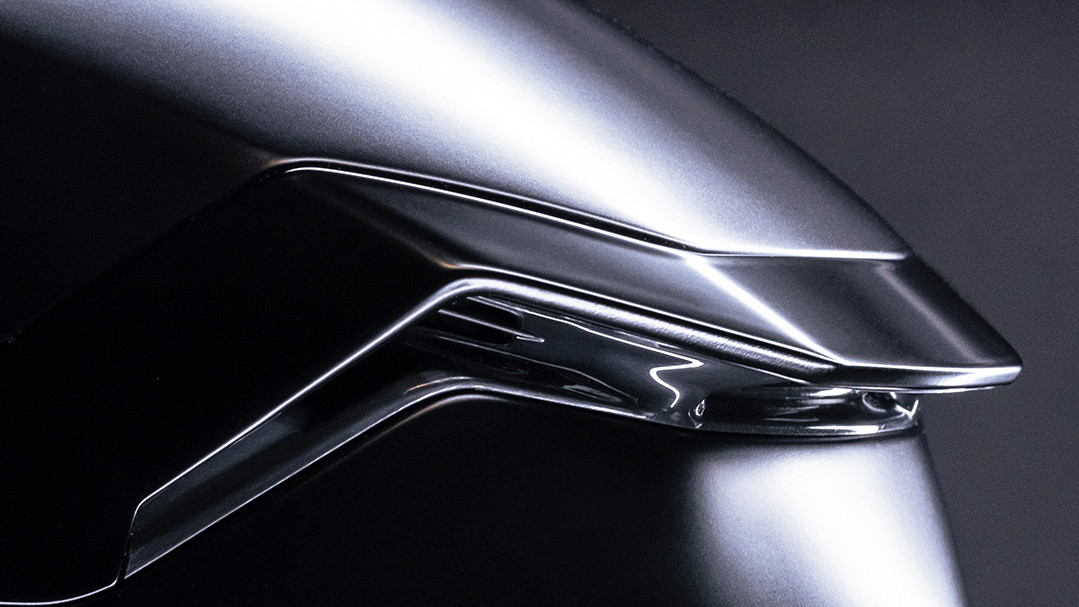
The visor opening mechanism is also worth mentioning. Not only it should allow for smooth opening and quick disassembly without any tools, but it should also be as compact as possible to allow for a wider field of vision at the sides, without reducing EPS space. A helmet with a small visor opening mechanism is safer in the temple area.
Last but not least – many hours in the saddle means a helmet with integrated sun visor, a must-have accessory in any touring or sport touring helmet. You can pull it out or retract it in an instant while riding, to adjust to the varying light conditions you encounter.
Ventilation system
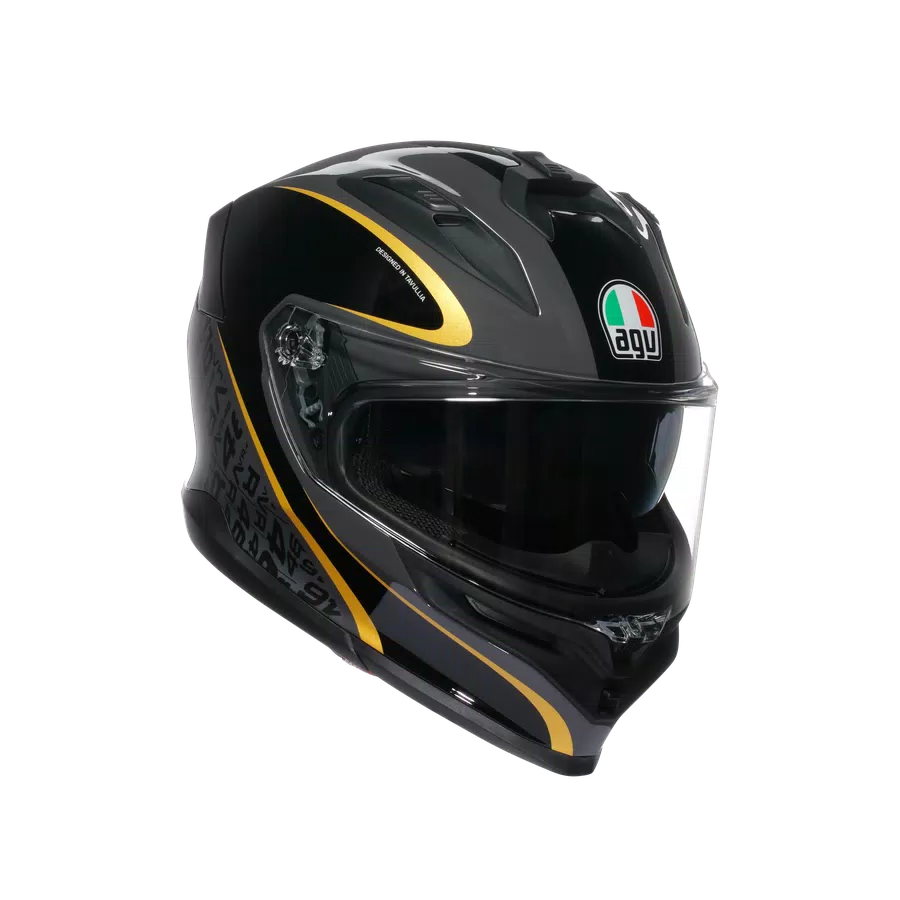
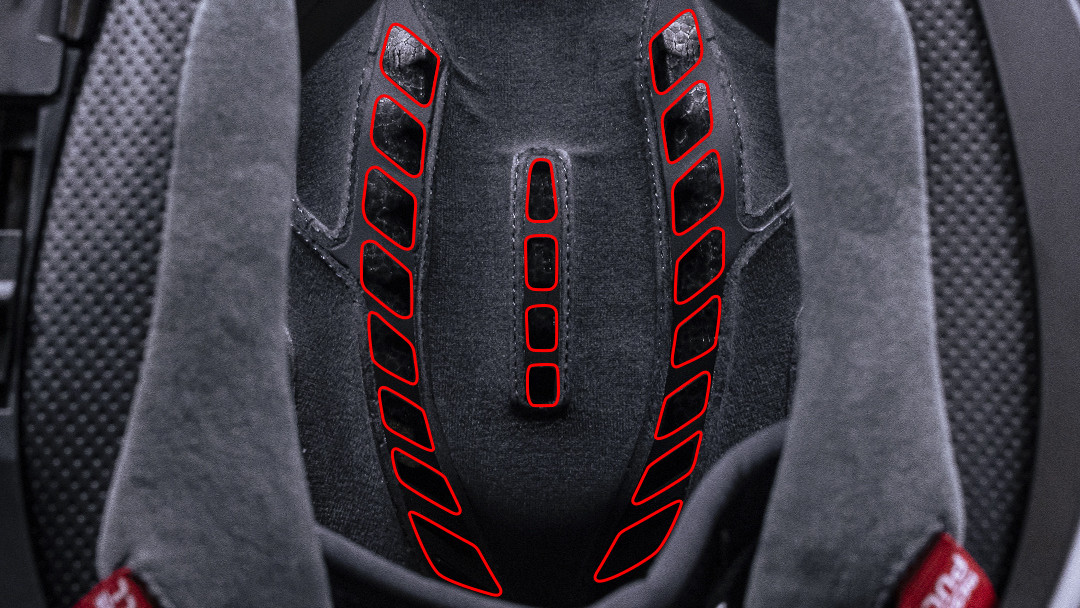
A motorcycle helmet for long trips in all seasons should feature plenty of adjustable air vents and extractors, to customize heat exchange according to personal tastes and weather conditions. One may travel in different temperatures on the same day, so it’s necessary that they are easy to operate even while riding. They work in synergy with the inner crown pad, which is designed to promote the diffusion of incoming fresh air around the entire head.
Specifically, AGV K7 incorporates Air Diffusion Crown Pad Technology, a special patented headset design with progressively sized holes that increase airflow as you move toward the back of the head.
To further increase airflow to the face and head without having to ride with the visor open, AGV helmets feature the Microlock System opening, which allows the visor to be locked in half-open position. This means the visor is locked but the cool flow even at low speeds sharply increases.
Strap
The strap of a motorcycle sport touring helmet usually features a micrometric closure. This allows for quick closing or opening even with gloves on.
Communication system
Commonly called intercom, it’s a system that allows you to be always connected via audio and microphone to your smartphone, as well as with your passenger or other traveling companions – it’s particularly useful in touring motorcycle trips, when you’d otherwise feel isolated for several hours. The most advanced intercom system compatible with AGV helmets is Insyde, developed in collaboration with Cardo and totally integrated into the helmet profile.
Maintenance of a sports touring helmet
As with all other types of helmet, taking care of a sports touring helmet is essential to keep it in perfect working order. As mentioned, the interior needs to be periodically removed and washed, to get that new helmet feeling at every trip. A cycle in the washing machine at low temperature with a mild detergent is sufficient.
A helmet-specific cleaner is ideal for washing the shell and visor but, alternatively, some mild soap combined with a damp cloth can also be used. It’s generally recommended to remove any dirt after each outing, before it settles and becomes difficult to clean.
How to choose your helmet size
Here, too, choosing the size of the sports touring helmet is the same process as with other types of helmets, which we have covered extensively in this guide – still, one specific consideration can be added for this kind of full-face helmet. A sports touring helmet is often worn for several hours, so comfort and fit are primary aspects. All the more reason to try the helmet on in person before purchasing it and for as long a time as possible, so as to find out whether there are any annoying contact points.
As it turns out, the features to look out for are many and choosing one's full-face sport touring helmet is not as trivial as it might seem. In many cases, it’s just details, but all together they can make the difference between an enjoyable and a mediocre riding experience. In any case, always pay the utmost attention to what you’re going to purchase – helmet, clothing or protection – and make sure that they have proper homologation and are certified original manufacturer's products.