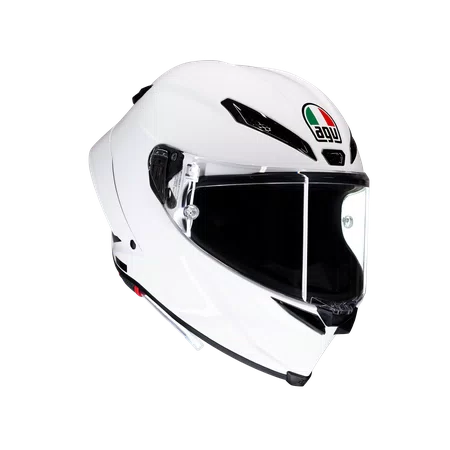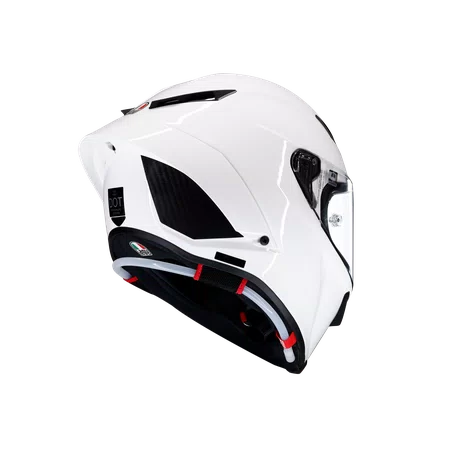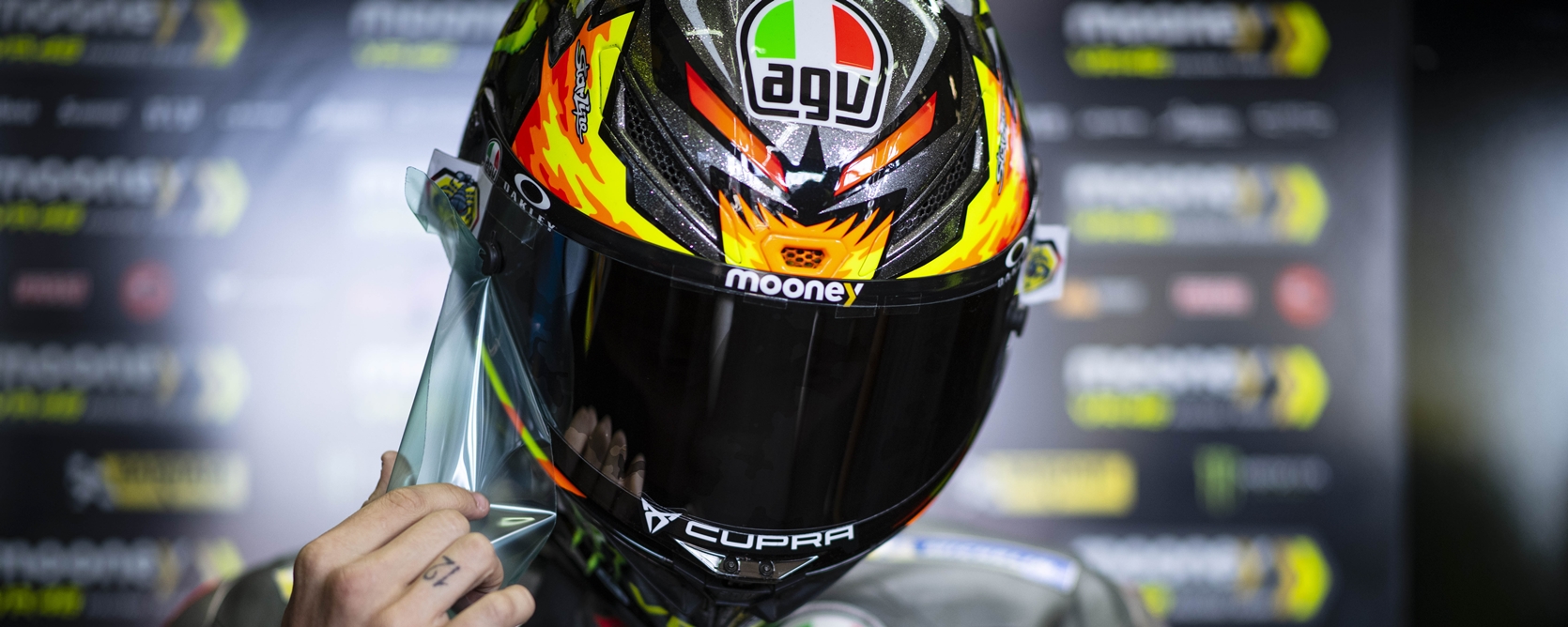


If you’re a motorcycle rider, you’ll know how much time it takes to find the right helmet. There are various criteria – what you’re going to do with it (track, touring, city, etc.), the level of protection guaranteed, the comfort… It’s not a simple decision, that’s for sure. And that’s because the helmet is a undisputable priority for us motorcycle riders.
So, knowing their importance, you’ll agree that helmets deserve all the attention they demand. That doesn’t mean a lot of things, but some essential ones. We’ll give you some tips on cleaning it and sanitizing it properly, so it’s always in radiant health, those jobs that it would be best to do just before the start of the motorcycling season, but it’s actually never too late. We take this opportunity to remind you that, if subjected to a violent impact resulting in damage to the shell and EPS, or after a period of five years, the helmet must be replaced. In this last case, it’s because over time some interior materials and the EPS (expanded polystyrene) itself can degrade and lose their protective qualities.
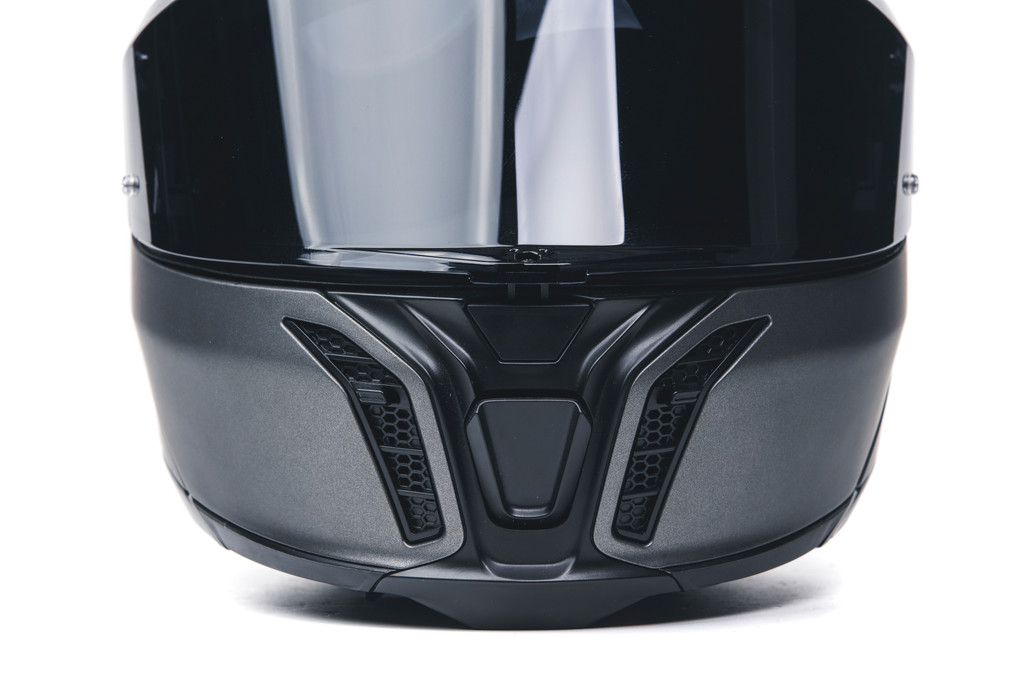
Tourmodular
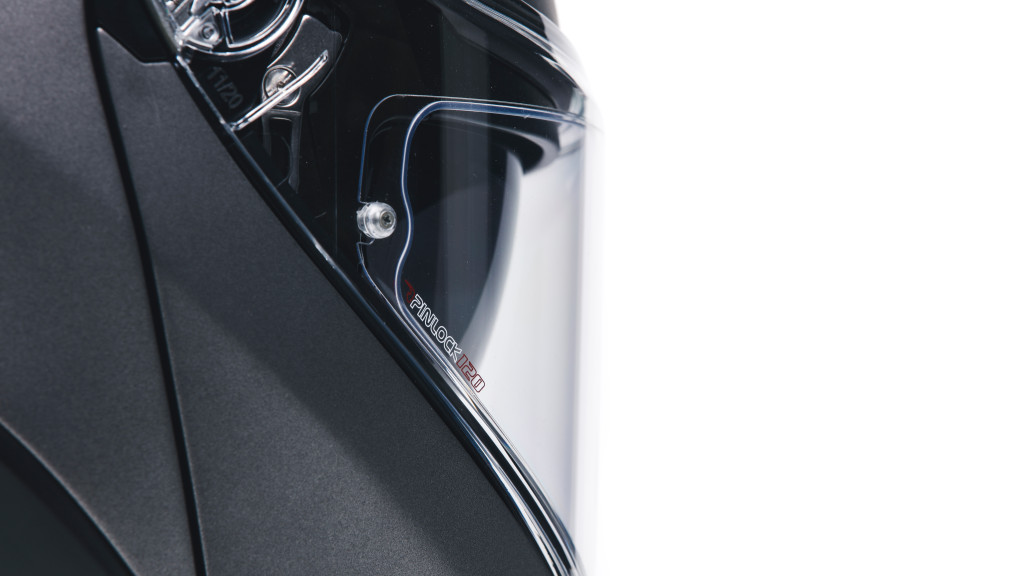
Tourmodular
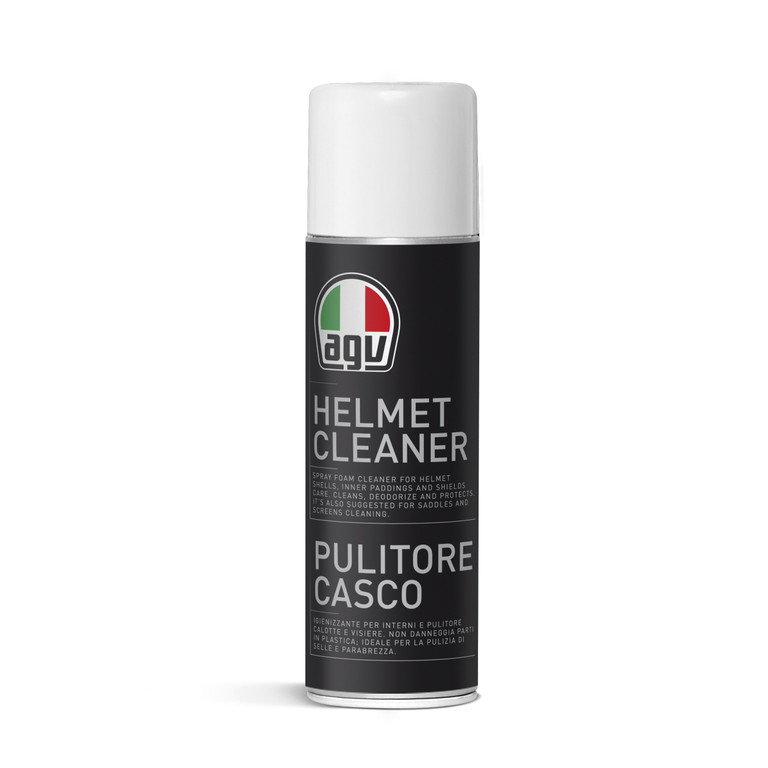
AGV Helmet Cleaner
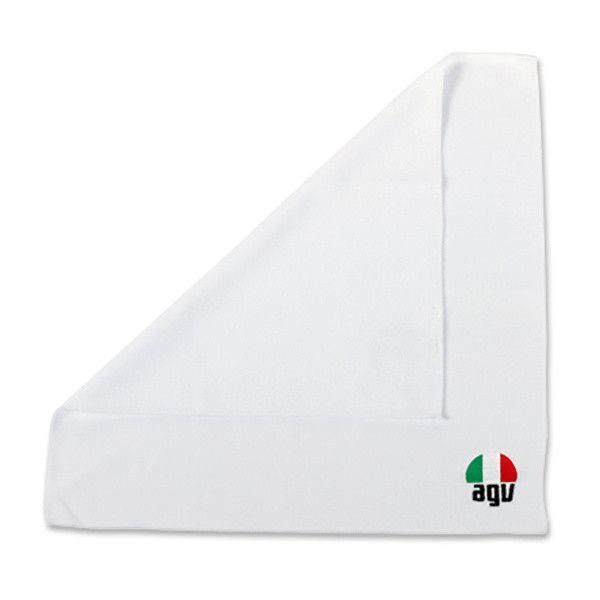
AGV Cloth
Cleaning the helmet visor
It’s a simple job – you just need to clean the visor from ‘unwanted’ deposits, like dust, dirt, rain, and the inevitable flies. It is a question of safety. It’s not hard to understand that a perfect view of the road is essential, in all conditions. So we always keep our visor clean!
First of all, take the time you need – you don’t clean a helmet visor on the move, but when you’re stopped. That’s also because if you try to clean it with a glove while riding, you’re likely to make the situation worse as well as risk scratching it. So, with the help of a supporting table, you can detach the visor from the helmet and if applicable remove the Pinlock to clean it thoroughly on the inside, too. At this point, you can use a multipurpose cleaner and the AGV cloth or, alternatively, a soft cloth moistened with neutral soap and lukewarm water. Use a brush to clean the parts near the fastening mechanism more easily.
Pay attention to the drying stage as well. Don’t use direct sources of hot air or materials that can scratch the surface, especially if it is matte (more delicate than the classic clear and glossy). Instead, use a soft, clean cloth, microfiber if possible.
Once the visor has dried, a good solution may be to apply a tear off. Tear-off lenses aren’t reserved for track riding. They’re also useful on the road for protecting the visor against debris. If your visor already has a couple of seasons of heavy use behind it however, consider replacing it with a new one. For this purpose, combine the visor with a new Pinlock as well, especially useful on colder or humid days.
Cleaning the outer shell
What we said about the visor also applies to the helmet’s outer shell, not just so it shines like new, but also to check for any scratches or signs of wear. In this case too, it’s best to remove the visor, so you can clean every nook and cranny. Use the specific cleaner and the AGV cloth or, alternatively, a soft cloth moistened with water and neutral soap. Don’t rub too hard. It’s better to wipe more times, letting the dirt soften so you can remove it more easily.
Avoid every generic cleaning product at all costs. They aren’t specifically designed for your helmet. They may contain solvents or other aggressive agents that can harm the outer paintwork and more besides.
Sanitizing the inside of the helmet
The inside of the helmet is in direct contact with the skin on your face, sometimes for hours, so it makes sense to wash and sanitize it frequently. If it’s removable (in most cases you can take out the crown and cheek pads), you can wash it in warm water, even in the washer, up to a maximum of 35 °C with neutral soap. You can also wipe a damp cloth over the internal parts of the shell, which were previously hidden by the padding on the helmet. The important thing is that the polystyrene doesn’t come into direct contact with the water.
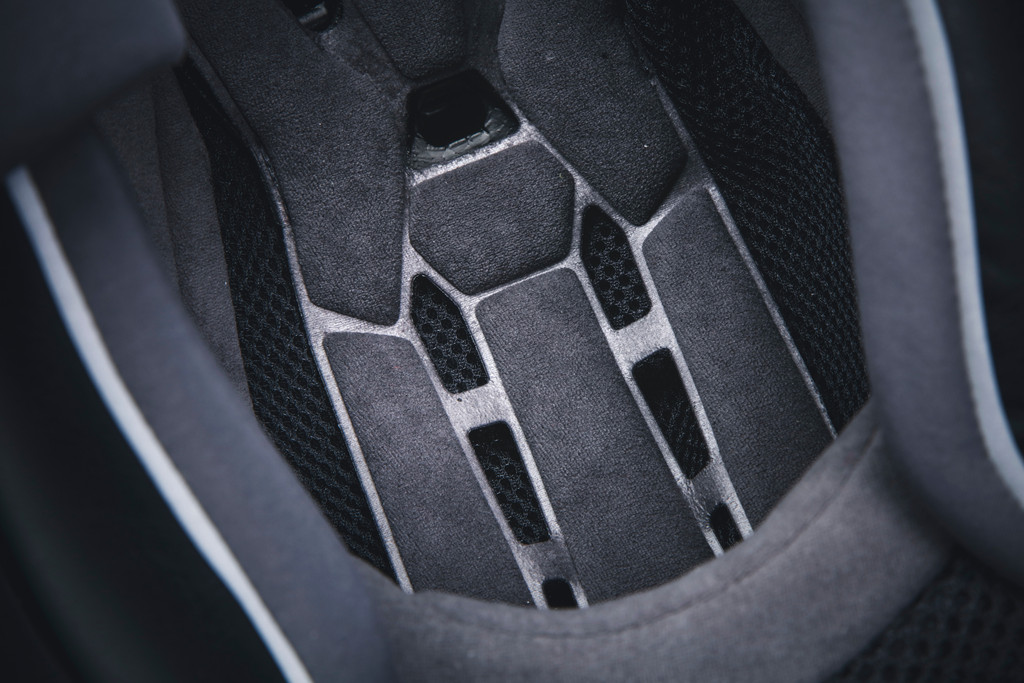
Tourmodular

360° Adaptive Fit, Pista GP RR
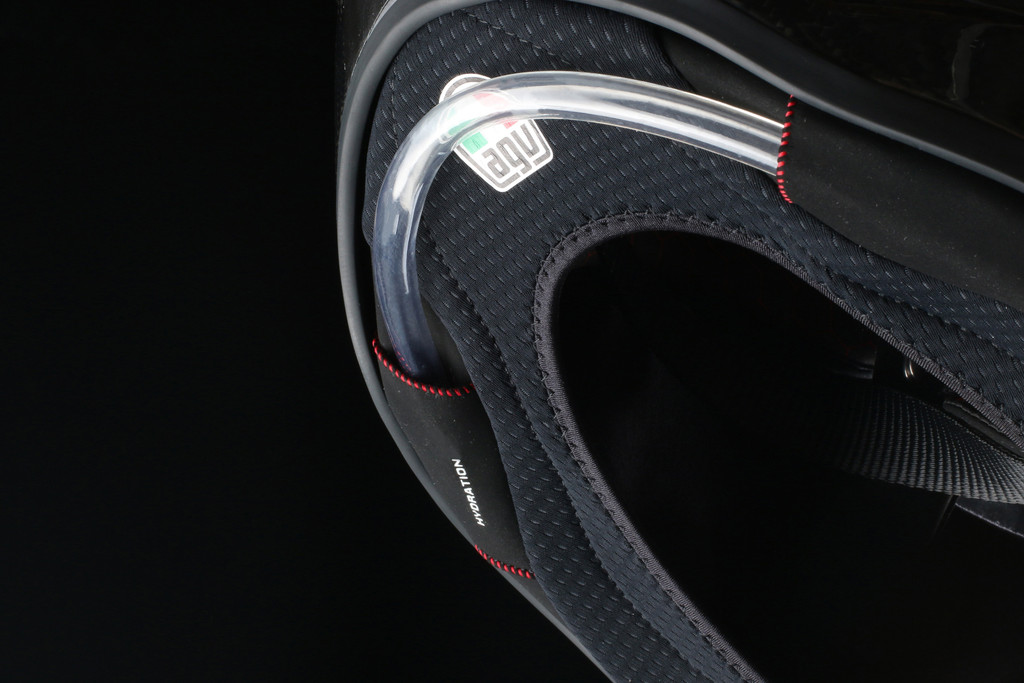
Pista GP RR
Afterwards, air-dry the inside in the open, but without exposing it to direct heat sources, like the sun’s rays, a hairdryer, heaters... Before reassembling it, make sure that all parts are perfectly dry to prevent bad smells and mold. In the case of very worn insides, you might consider replacing them entirely with a new set.
If the inside can’t be removed, you can wipe it using a cloth moistened with neutral soap and lukewarm water, but if you use it intensively, consider changing your helmet for one with a removable inside.
In any case, to avoid any kind of unpleasant surprise, it’s advisable to consult the user manual for your helmet to find out the best way to sanitize the inside of that particular model.
If you’re a motorcycle rider, you’re bound to know how important helmets are when it comes to protection. But as you will have understood, keeping it clean and in order is also a question of safety, as well as comfort. It’s important to have a perfect view at all times, to check that the shell is always in perfect condition and that the inside is fresh and sanitized.