

Let’s be honest – choosing helmet is a quasi-religious moment for a rider. We consider every single aspect before we buy. First we think about how we’re going to use it, to get our bearings in terms of helmet type, then essential elements like protective capacity, comfort and practicality, and finally the aesthetics. All of us have our own tastes and needs, but there are some guidelines not to be avoided, no matter what your personal preferences may be.
So here’s a guide on the factors to consider before you choose your next helmet.
The outer shell and the EPS of the helmet
The most noticeable part of a helmet is the outer shell. It’s a genuine protective shell, made of different materials, often depending on the type of helmet (carbon fiber, composite fibers or polycarbonate). The main task of the outer shell is to protect you from any impact with external objects, from simple encounters with gnats to real impacts. The shell protects you by dissipating the energy of an impact over a large surface. To adapt perfectly to different sizes, there are usually several shell sizes for each helmet. There’s another fundamental element inside the shell, the absorbent material. If the job of the outer shell is above all to dissipate the energy from impacts over a large area, the EPS (expanded polystyrene, conceptually similar to polystyrene) deals with absorbing the impact force. Since it isn’t an elastic material, however, once compressed and deformed it doesn’t return to its initial position. That’s why the helmet can’t guarantee the level of safety it was designed for after absorbing an impact. It has to be replaced.
AGV Tourmodular
AGV Tourmodular
AGV Tourmodular
The helmet interior
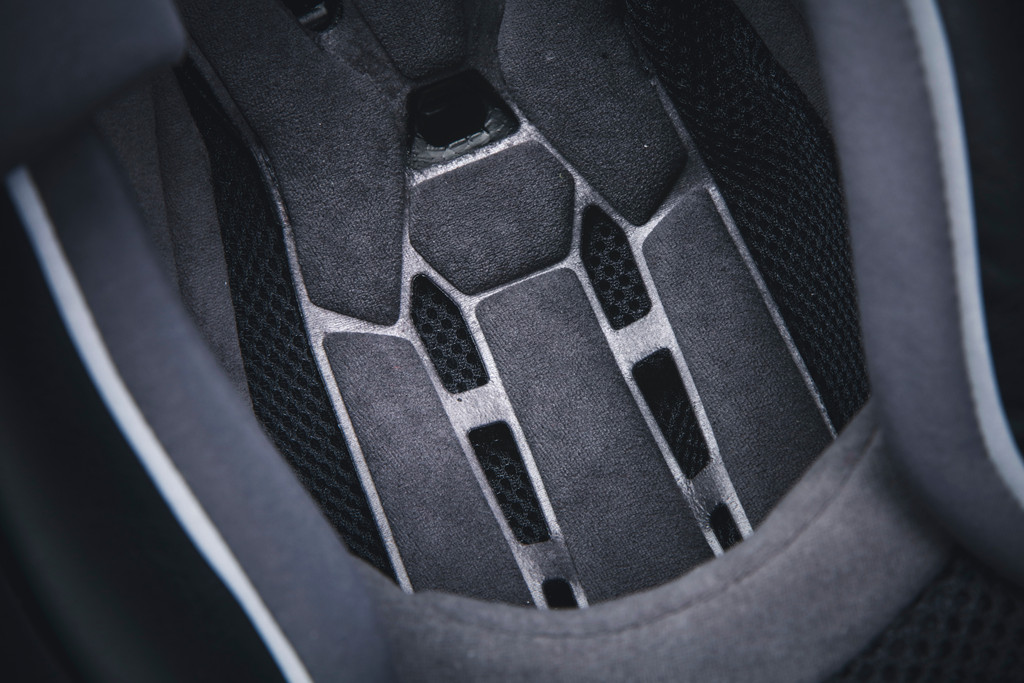
Our head isn’t in direct contact with the EPS but with the interior of the helmet. They’re generally designed to ensure long-term comfort, so they’re made of hypoallergenic materials that can absorb and keep sweat away from the skin. Check that they’re removable and therefore washable (the interiors of all the best helmets are removable), also because it’s helpful to have the option of replacing some parts of the interior so that it fits your face shape better. If you have a particularly thin face, for example, you might need thicker cheek pads than the standard ones. First of all, however, it’s very important to take care over choosing the best size for us.
The helmet fastening system
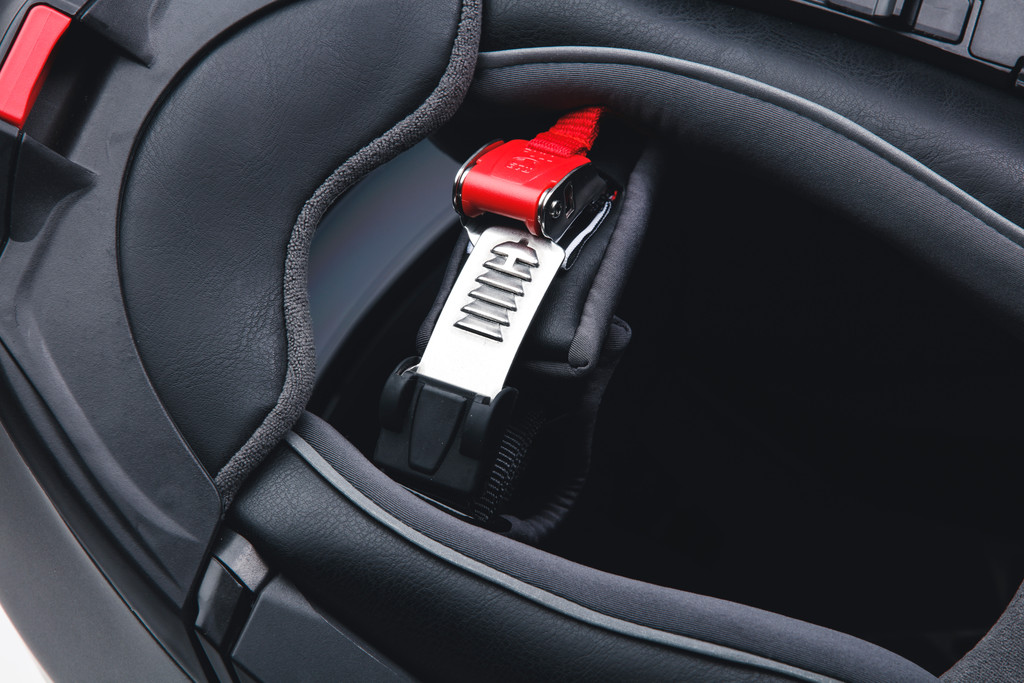
Helmets use a strap as a fastening system, which (it’s good to remember) always has to be fastened correctly. It mustn’t be too tight, of course, but it can’t be so wide that it passes under the chin either. There are two types of strap fastening system:
- Double D, used mainly on sports helmets (for riding on a track, on the road and motocross);
- Micrometric, used above all on city or touring helmets due to its practicality.
The visor
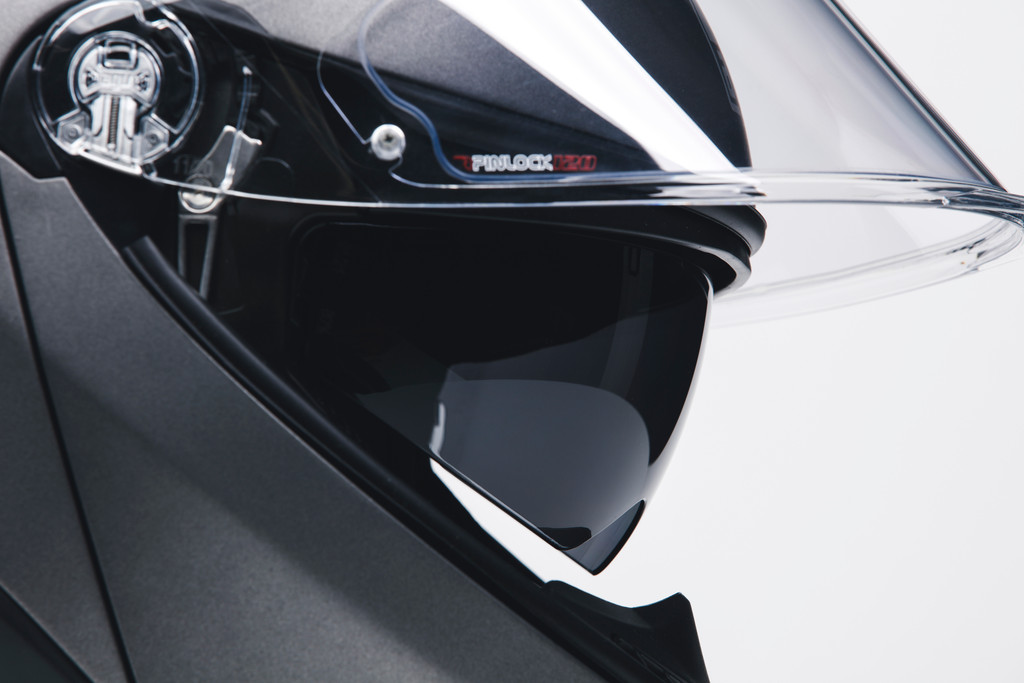
It might seem like it’s only useful for ensuring a good field of vision, but the helmet’s visor is a tool for protection to all intents and purposes. Try riding at high speed with the visor open… and you’ll soon discover that it’s impossible. It’s not just because of the air, but above all because of any insects or debris that other road users lift off its surface. Because of this need for the visor to be a genuine face shield, just like the shell for the rest of the head, we increased the thickness of the visors on our AGV helmets to 5 mm, precisely in order to offer maximum resistance. We obviously took care of the optical quality (check that the visor of the helmet you’re about to buy is in optical class 1, the highest, the same as eyeglasses) so that your eyes don’t get tired even after many hours of riding. You can also consider helmets with retractable internal sun visor, especially if you plan on long journeys where you’d often need to change light/dark visor. Remember that you can choose Pinlock visors to avoid fogging on the most humid days.
Helmet homologation
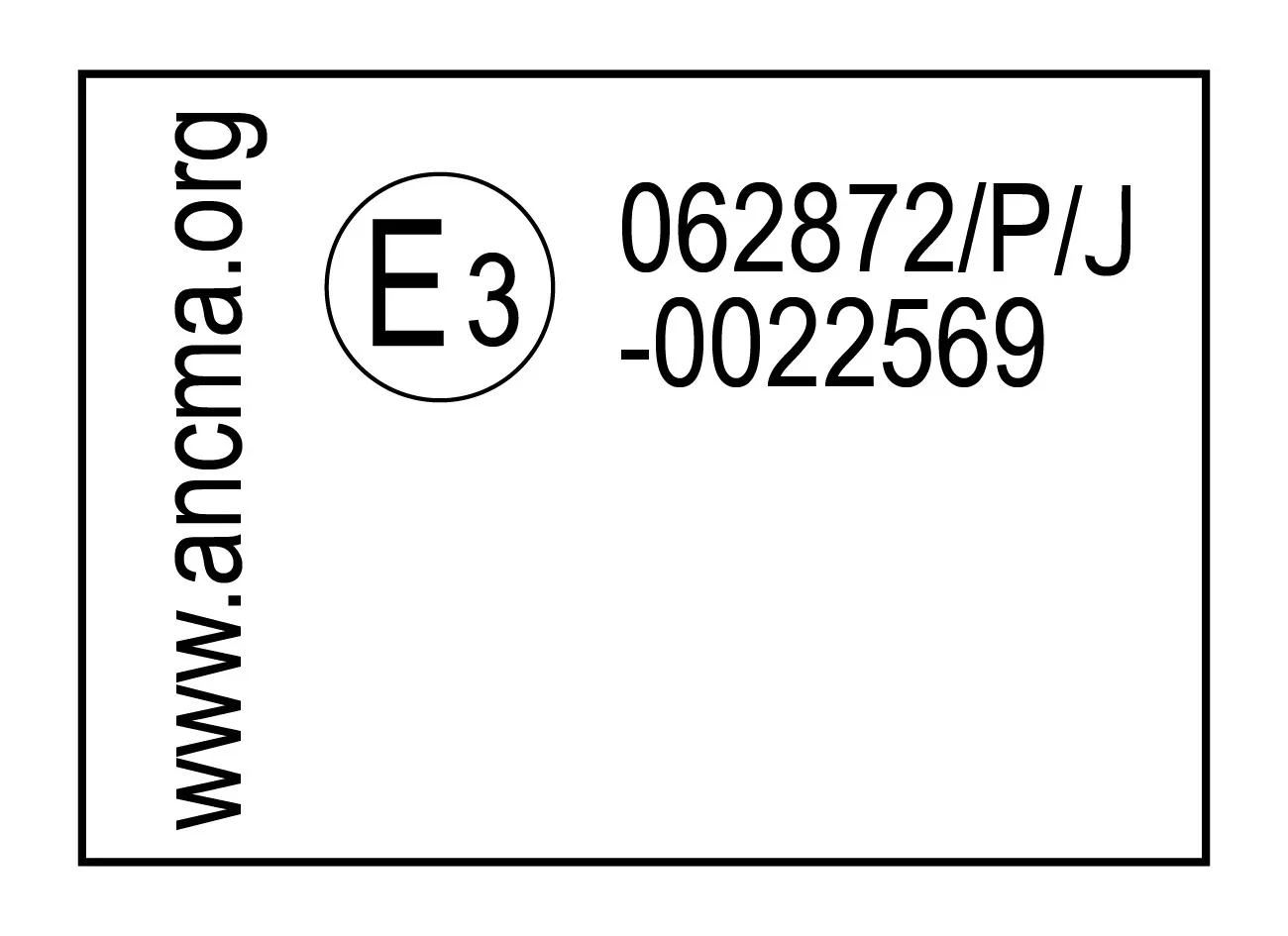
Helmet homologation ensures that it has passed a series of tests that guarantee a degree of safety compliant with the requirements of current regulations. The letter indicating the type of helmet can be checked directly on the homologation label. Specifically:
- The letter J indicates open-face helmets (J for Jet);
- The letter P indicates full-face helmets (P for Protective);
- P/J indicates modular helmets that can also be used with chinguard open.
Here’s a small but important clarification on the subject. If a modular helmet has only the letter P, it can’t be used open, but only closed, just like a full-face helmet.
The ventilation
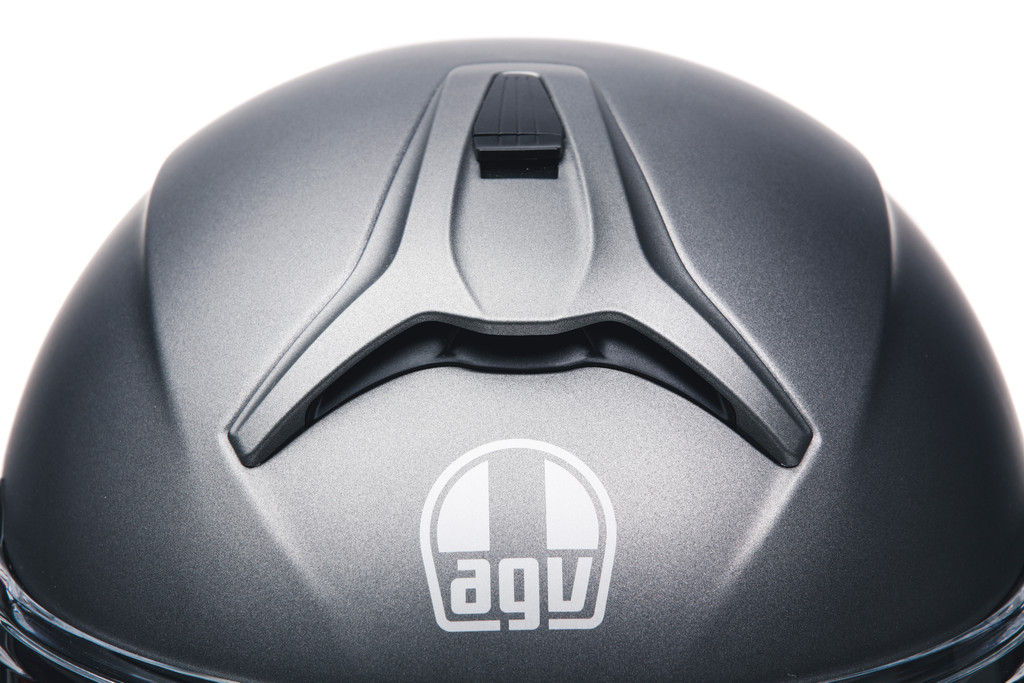
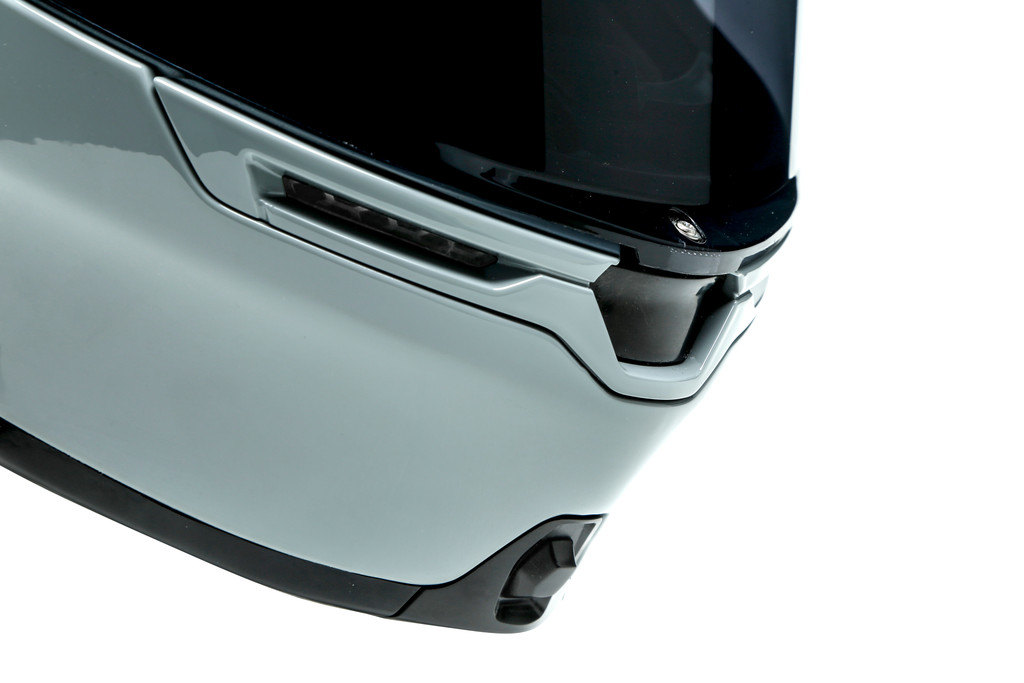
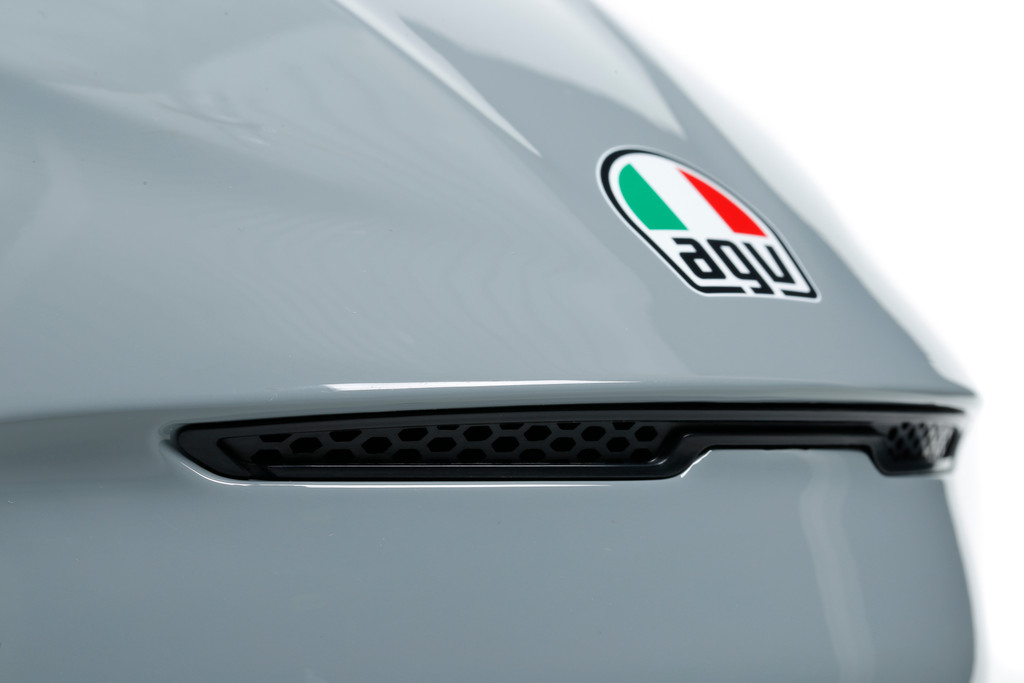
Another factor to consider before buying a new helmet is the ventilation, which has to be as adjustable as possible and feature both intakes and extractors to facilitate air circulation around the head. Above all for helmets intended for use at high (highway) or very high (track) speeds, it’s also important that the shape of the shell has been studied in the wind tunnel, to decrease aerodynamic resistance, thus increasing comfort and reducing hiss (the helmet is more stable and silent at high speeds).
AGV Tourmodular
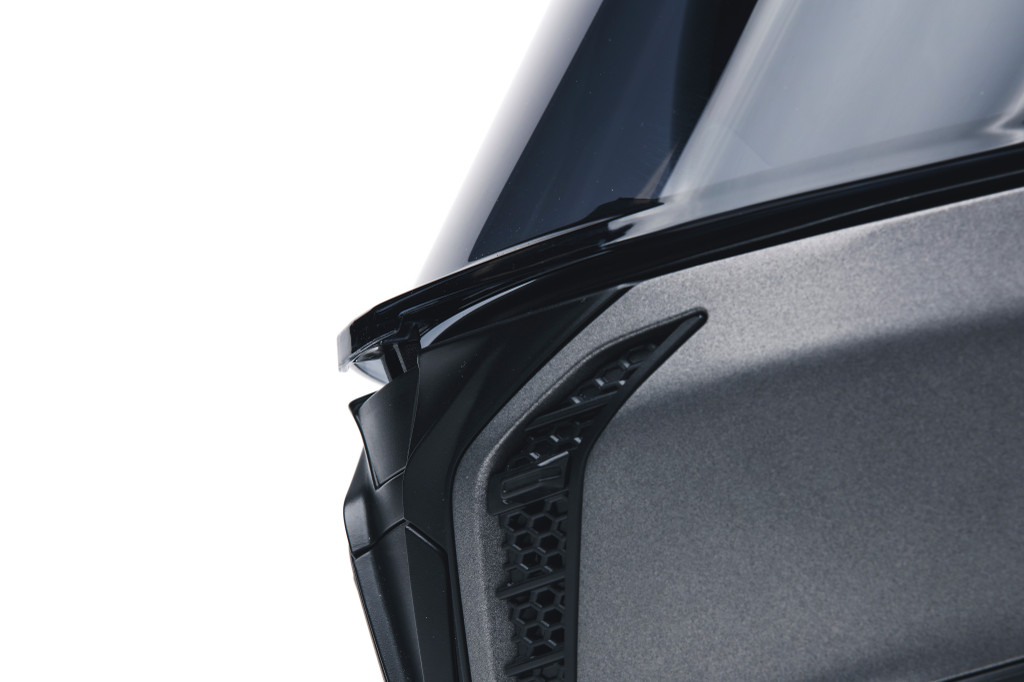
AGV Tourmodular
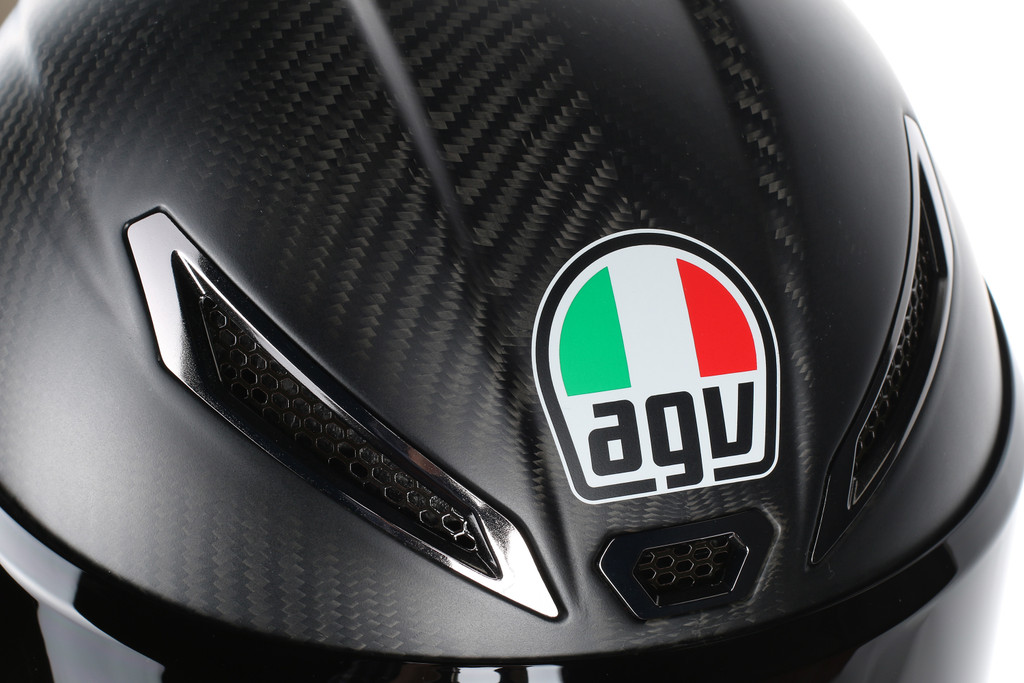
AGV Pista GP RR
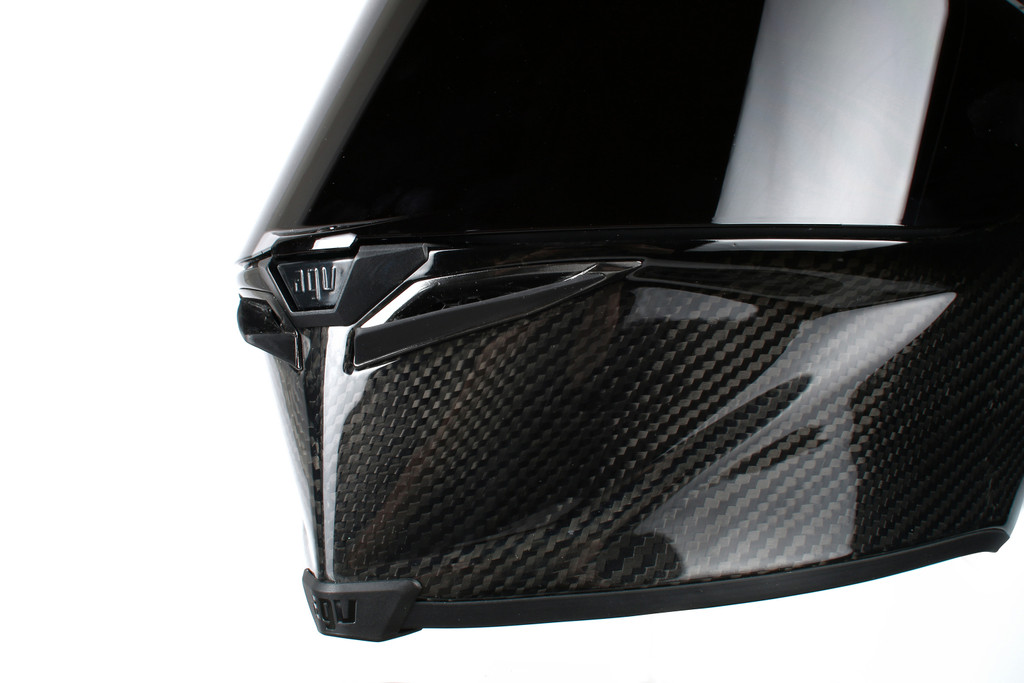
AGV Pista GP RR
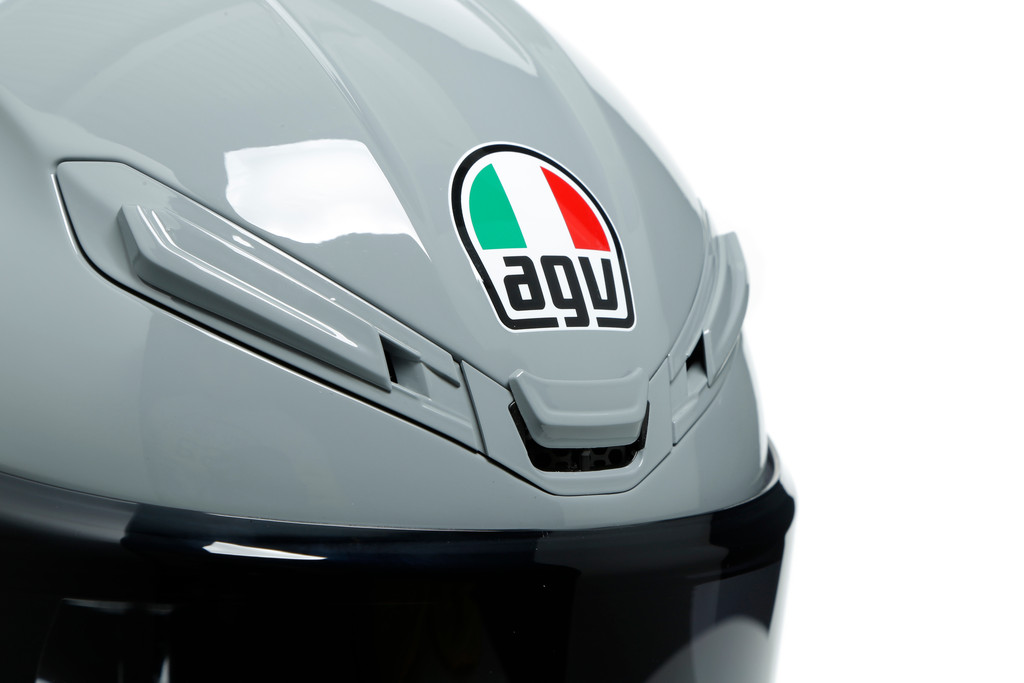
AGV K6
AGV K6
AGV K6
Full-face, modular, adventure or open-face?
Helmets can be divided into four main categories:
1. The first is full-face helmets, which ensure the highest level of safety, lightness and aerodynamics. They are suitable for both track and sports road use (but motocross ones also belong to this category).
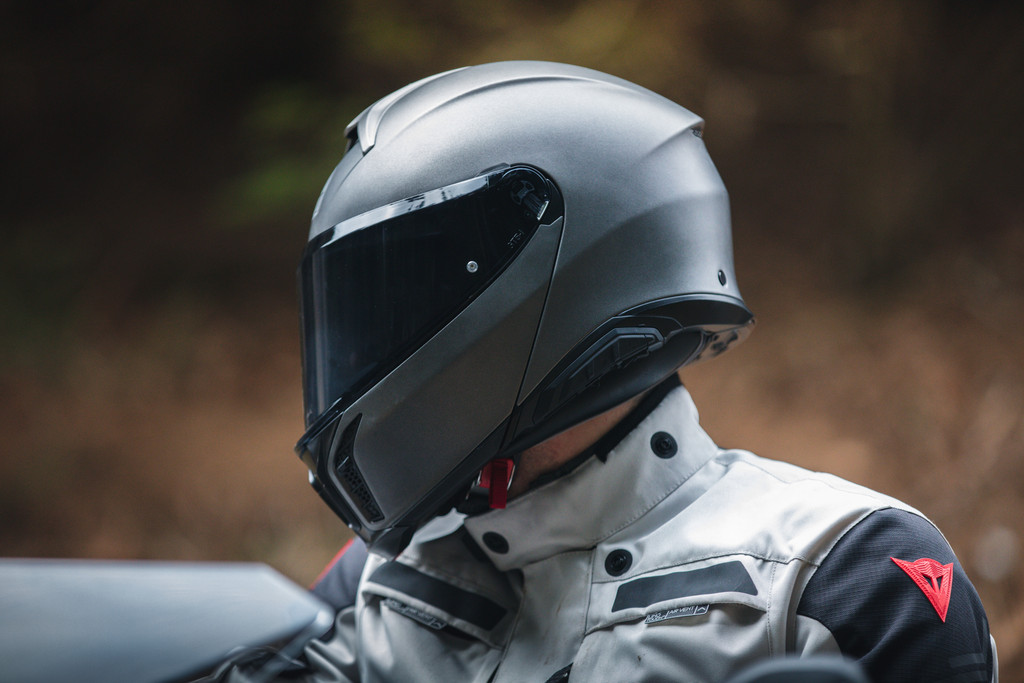
2. The second category is modular helmets, definitely more suitable for big travelers on asphalt given their indisputable qualities of comfort and ability to adapt to different conditions.
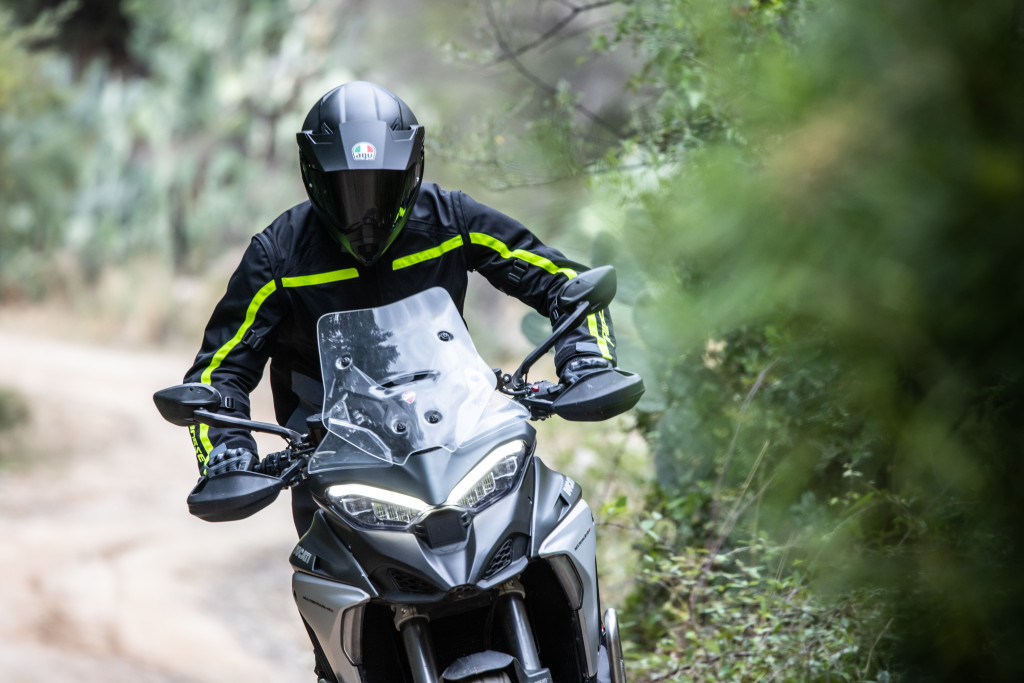
3. Then there are the Adventure helmets, ideal for those who mix road/off-road riding, due to the removable peak (protects against the sun’s rays, any branches, etc.) and the fact that they can alternatively be used with a motocross goggles instead of the classic visor, for more extreme off-road use.
4. The final category is open-face helmets, particularly suitable for those who use bikes or scooters especially in the city due to the large visor, speed of putting them on and taking them off and the considerable level of ventilation at low speeds.
AGV Tourmodular
AGV AX9
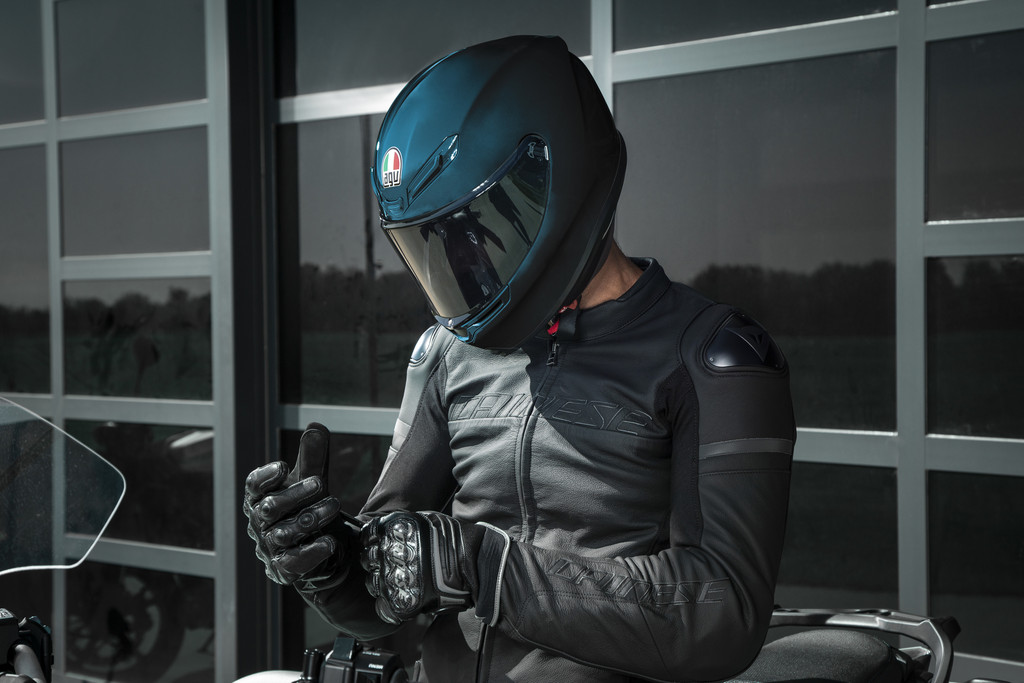
AGV K6
The helmet expiry date
You should know that there isn’t actually an authoritative expiry date for motorcycle helmets. It would depend too clearly on the conditions they’re used in and how they’re maintained – whether in light or shade, whether or not the interiors have been washed regularly… But we can tell you that some components like the EPS and the interior tend to deteriorate over time regardless of how we use them. So as a general rule, even if the helmet hasn’t been subjected to any particular impact or blow, it’s a good idea to replace it after 5 years.
You will have understood that choosing the perfect helmet isn’t that easy, because various parameters have to be taken into account. The most important is definitely working out how you’re going to use it. Having decided on an area, a lot of options will open up to you.