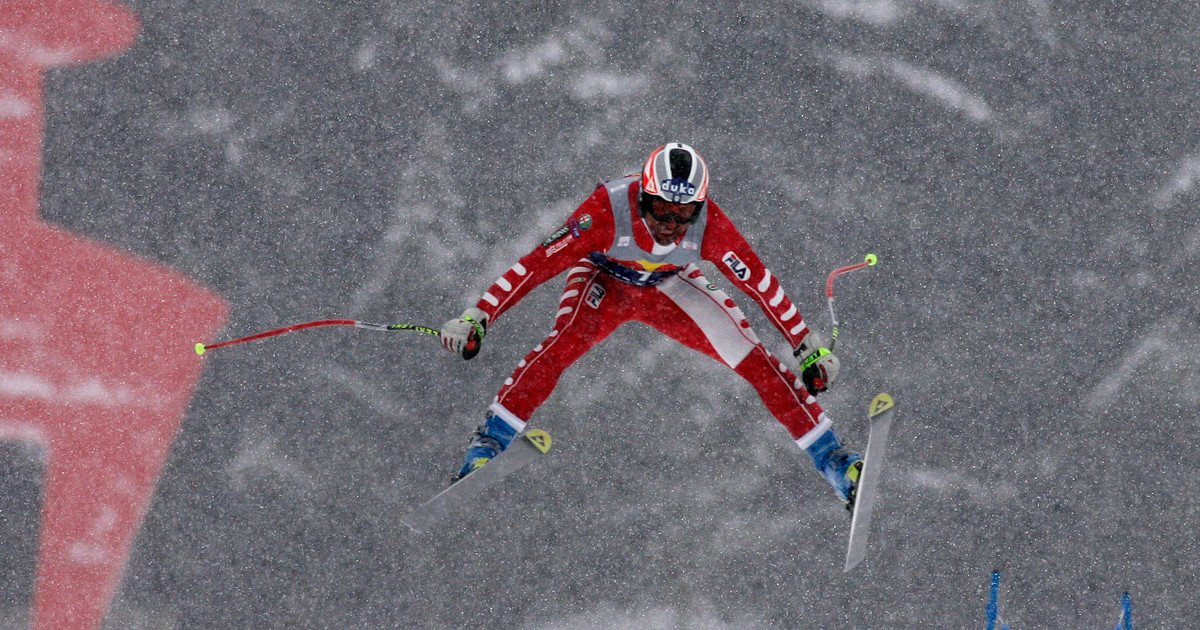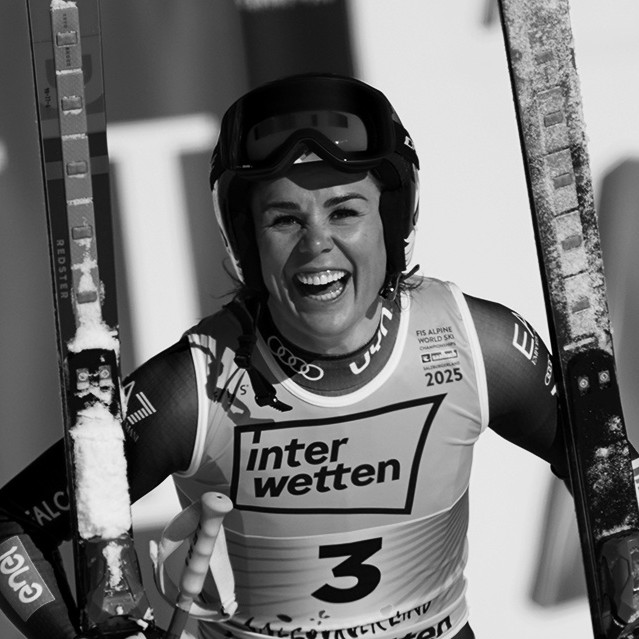


Nicol Delago is an Italian skier who originally hails from Val Gardena, Alto Adige, one of the iconic places of European and world alpine skiing. Having literally grown up with skis on her feet, on her home slopes and in an environment where speed is part of the local culture, Delago has established herself over the years as one of the leading Italian athletes in speed disciplines, downhill, and Super G, specialties that best reflect her approach to skiing. She has had 5 podium wins in the World Cup, 2 medals at the Junior World Championships and 13 medals at the Italian Championships.
A long-time Dainese athlete, Nicol approaches the World Cup with a very personal vision of her own path: she places great attention on listening to the body and on the mental aspect of sports preparation.
At the height of the season, we had the opportunity to chat with her, starting from her early days and childhood dreams, moving on to managing emotions during races, and finally to the fundamental role played by protection and safety at high speeds.
A frank conversation which tells not only the story of the athlete, but also and above all of the person: her connection to his region, the importance of mental balance, her passion for nature, and her vision of what it means to compete at the highest levels of alpine skiing today.
Nicol, what was your dream as a child?
“My dream was to make it to the top on skis. Since I was little, I was fascinated by the idea of skiing fast. I used to go and watch the races here in Val Gardena, I breathed in that atmosphere and thought that one day I would like to be there, in the middle of all this.”
How long have you been skiing?
“Since I was very little: At two years old I was already on skis. I've always had the slopes in front of my house, I grew up here and my dad is a coach and ski instructor, so it would have been almost impossible for it to have been any other way.”
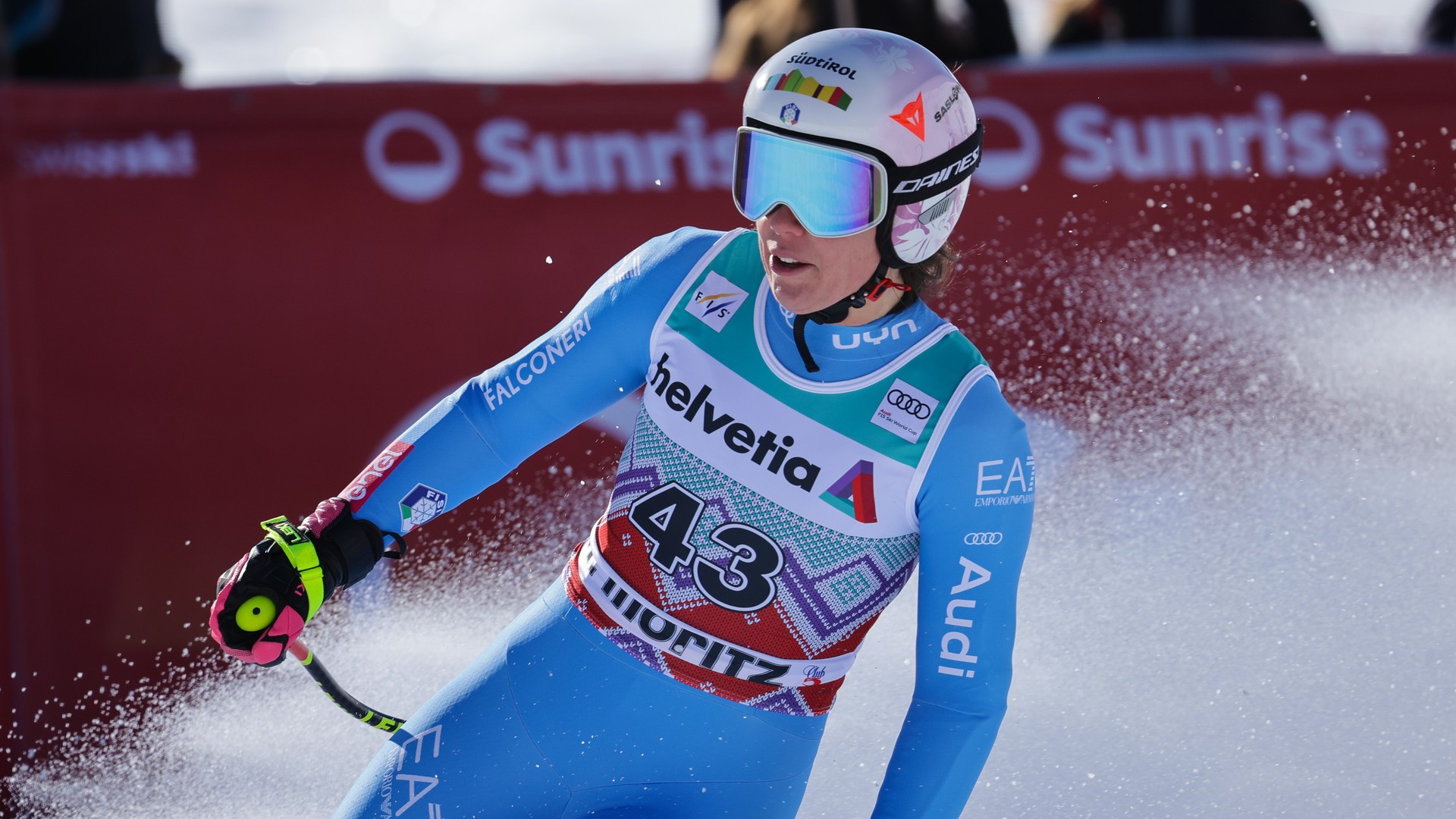
Do you have a first memory related to the ski races?
“I mostly have stories, which I associate with images. In my first race, for example, I went straight through all the gates. Before setting off, my dad had explained to me what to do, but I just went. Maybe eventhen I had this desire to go fast and feel free: I've never really liked narrow gates.
It's true that I grew up as a slalom skier, I even won the Topolino Trophy in slalom, but I always felt a bit constrained. The descent, on the other hand, gives me a sense of total freedom.”
If you hadn't become a skier, what would you have done?
“I would have liked to study medicine. I am fascinated by the human body and mind, and it is an interest that I still have. However, it would have been a very challenging route and would have taken me far from my Val Gardena. By studying in the area, I was able to continue cultivating my dream of skiing. In any case, being an athlete means you get to know your body in a very deep way, and you use it for your work, which incorporates physical preparation, nutrition and recovery.”
How do you prepare before a downhill race?
“I don't follow a fixed protocol, over time I have learned to listen to my body and understand what I need day by day. Sometimes I need a more energetic start, other times less.
From a mental point of view, I rely a lot on breathing: I can use it to relax myself, or energize myself. Then I try to focus only on the key points of the piste, avoiding thinking too much. I rely on automatic processes and try not to force things. One of the other tools I use is meditation: For me, it’s important to “think with the body” and not always and only be rational.”



What's the most important lesson you've learned so far?
“The importance of passion. I always try to remember why I chose this path and why I have this dream. What's inside you is what carries you forward. If you do something with heart and passion, you will do well. There are times when everything goes great and others when it doesn't, but it's in the most difficult times that this element makes the difference.
Then, there is of course the hard work, and the importance of your environment: the place where you grow up, the team, the people around you. I also believe it is essential to accept that everyone has their own path. Some arrive first, some later, some in a different way. Looking around too much can make you lose sight of your own path.”
What do you feel you still need to learn?
“I would like to find more balance. I experience a lot of ups and downs: when things go well I'm very happy, but when things go badly I see everything in a very negative light. Maybe the perfect balance doesn'texist, but I have to learn to accept myself more and not doubt myself in difficult moments. If a race goes badly, the performance needs to be analyzed, but I don't necessarily have to question myself and my abilities.”
Let's talk about when you first stepped up onto the podium in the World Cup: Did you feel like you were arriving, or just beginning?
“It definitely felt like a starting point. It happened right here in Val Gardena, which is rare because women usually don't race on this track, it was a rescheduled race. It was an incredible day, full of emotion, because I shared it with the people who raised me: my family, my coaches. It was special.”
What have you had to sacrifice to get here?
“Honestly, nothing. I've always done what I liked most. I have never felt the need to do anything differently and I would do everything the same way again. I feel privileged because of this.”
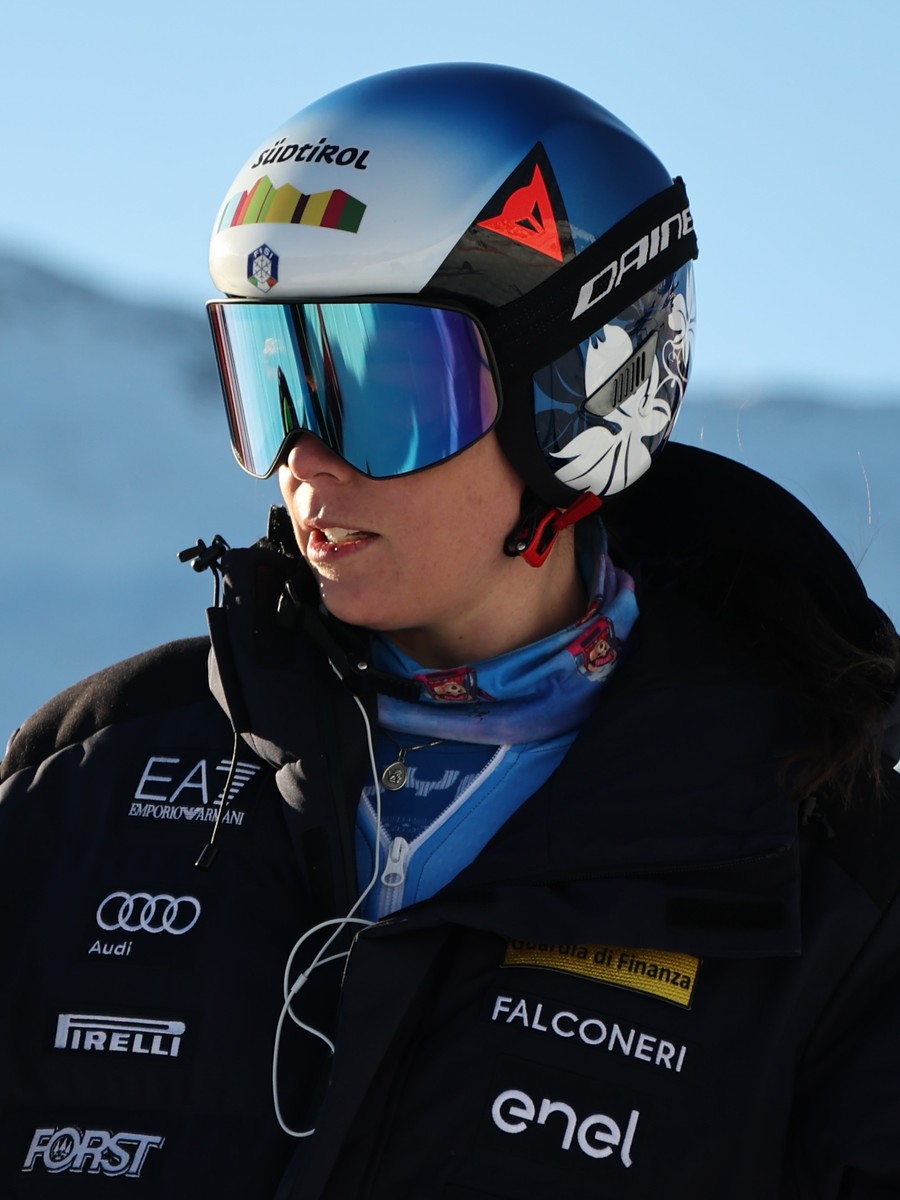
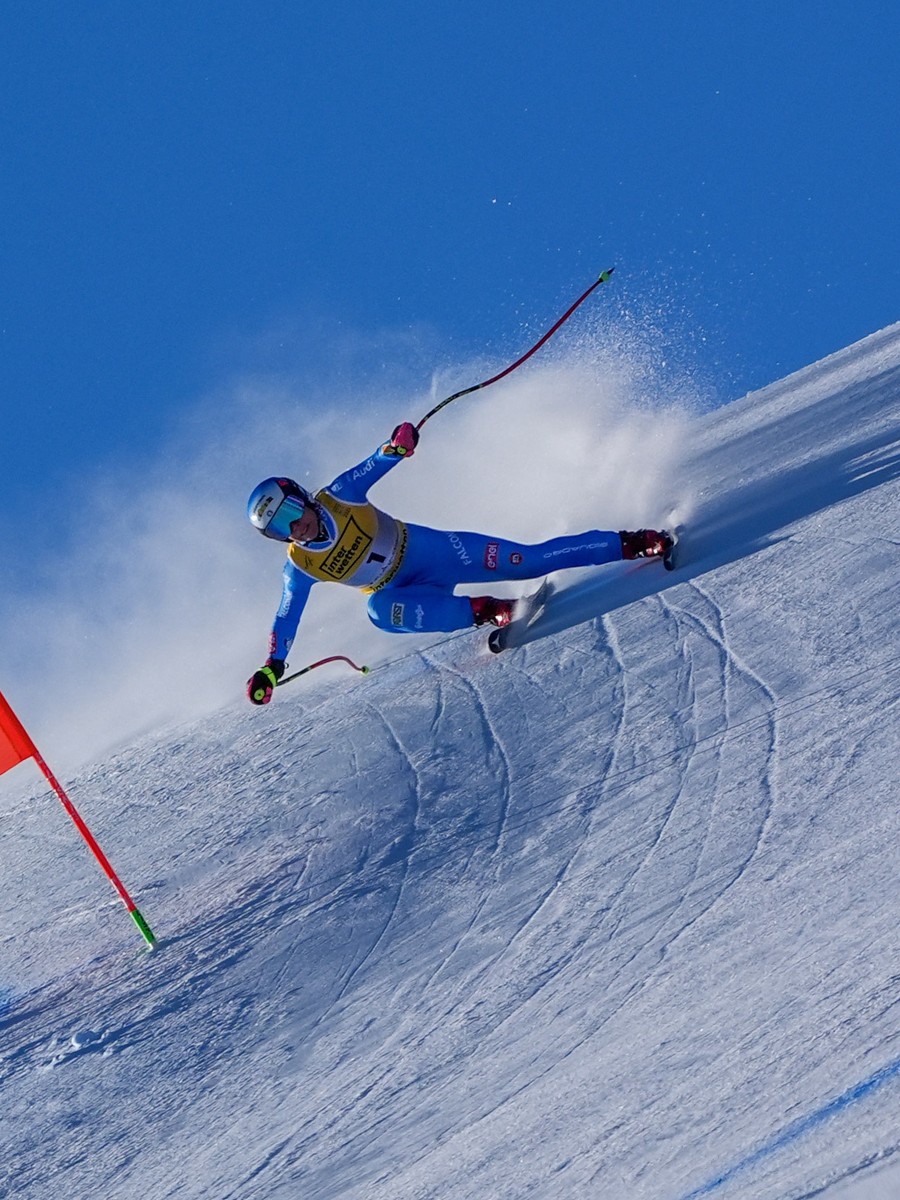
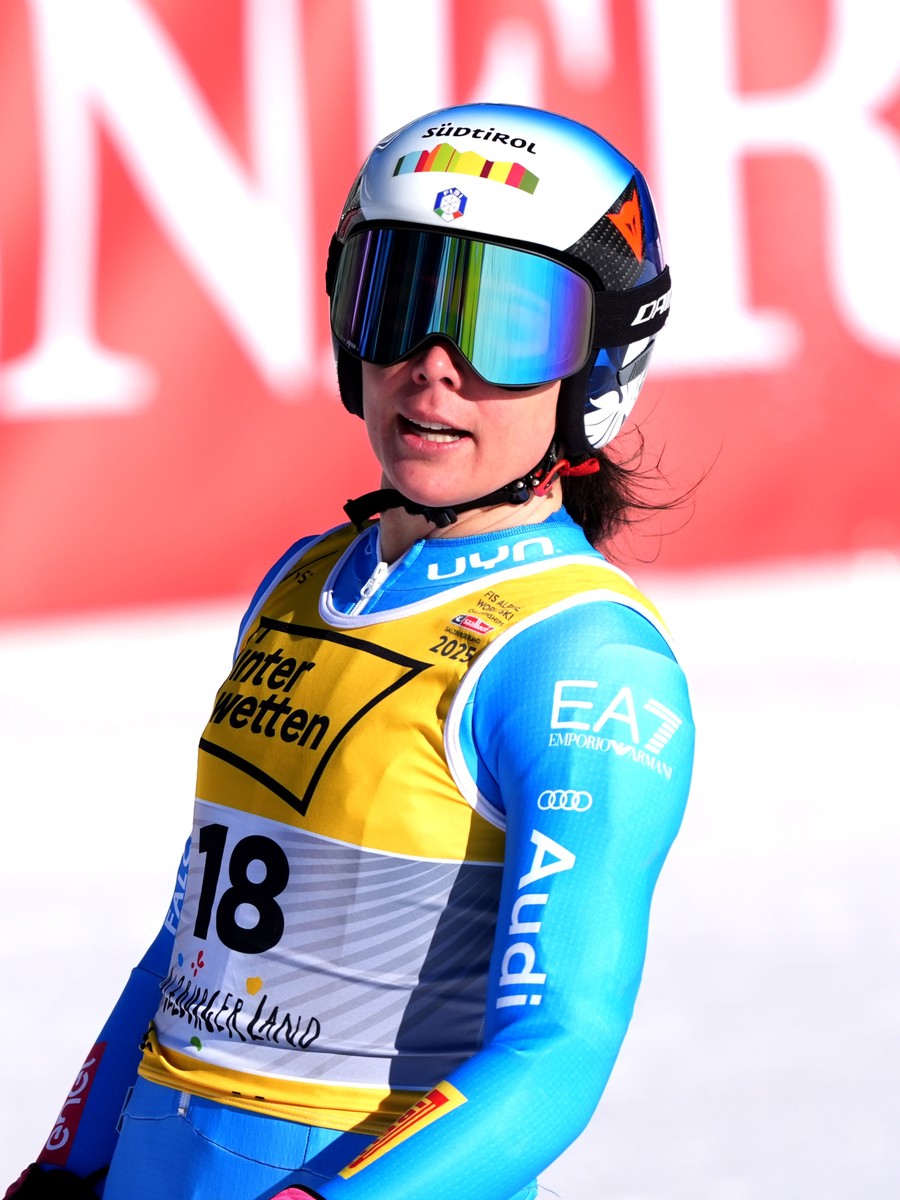
Nicol, you've been with Dainese for several years now, you know our protective gear well, so let's talk a little about this. How do you protect yourself for the Super G and Downhill races?
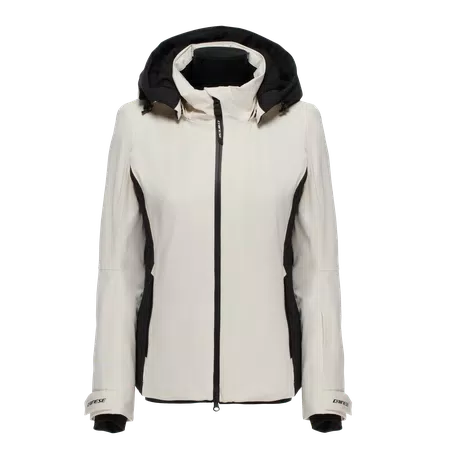
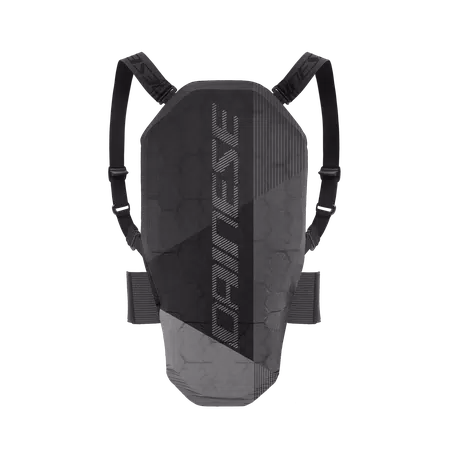
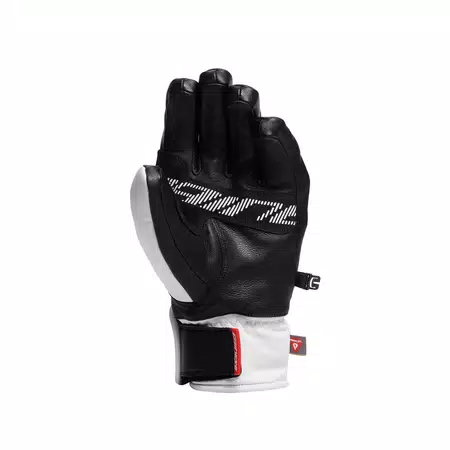
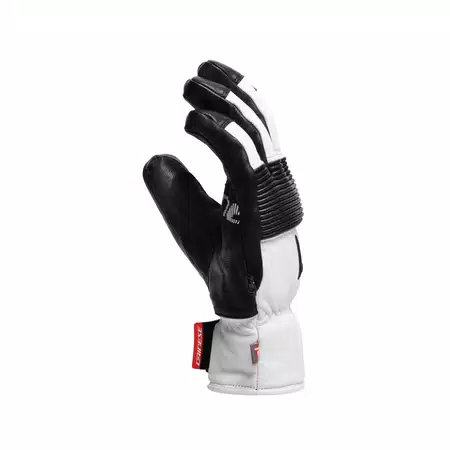
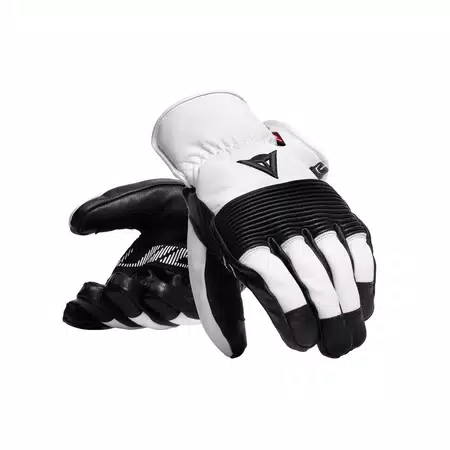
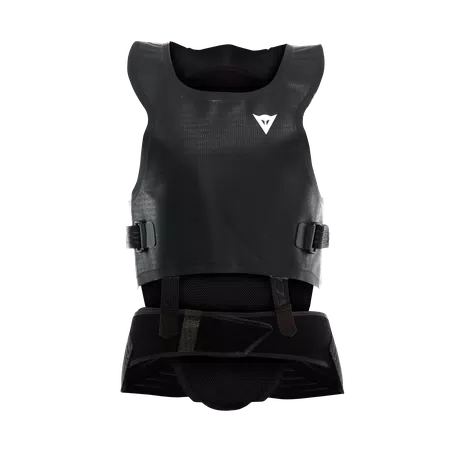
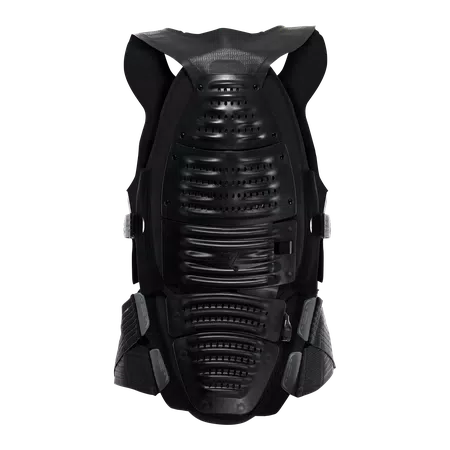
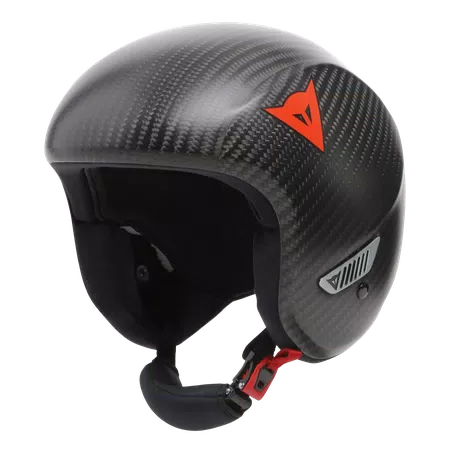
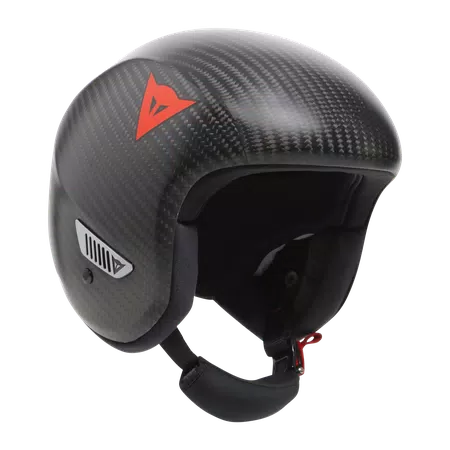
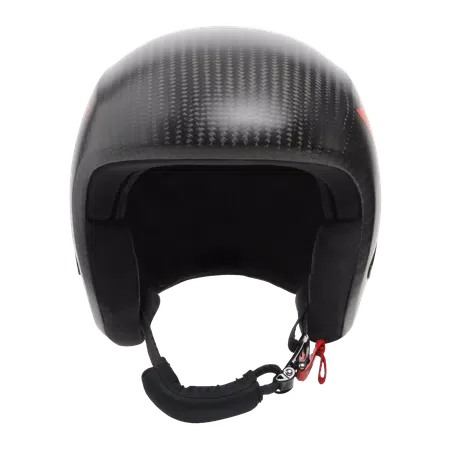
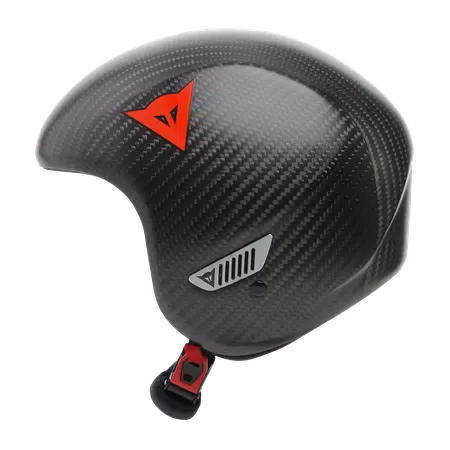
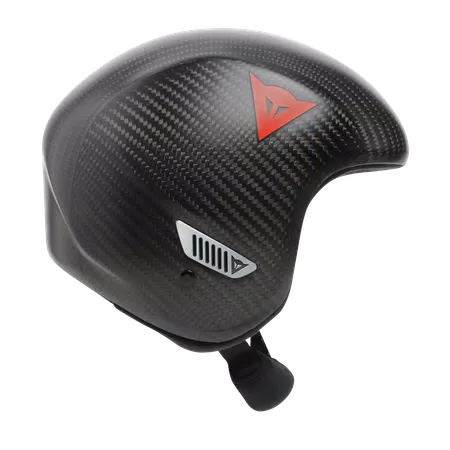
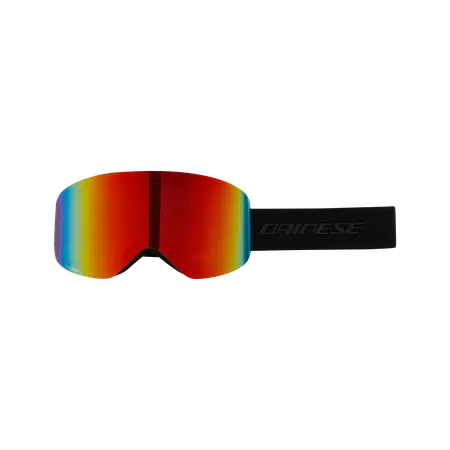
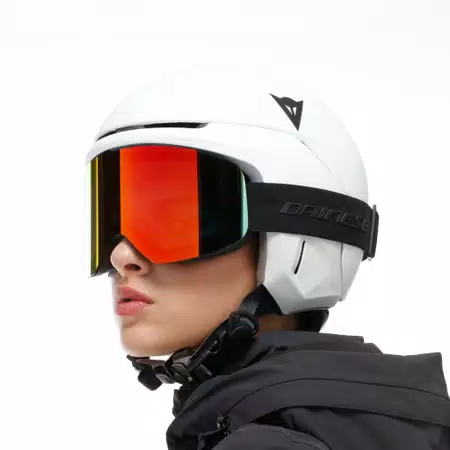
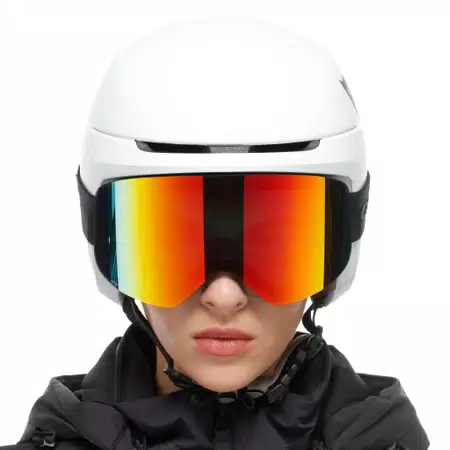
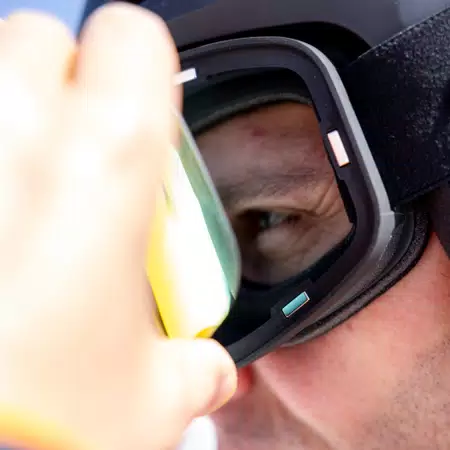
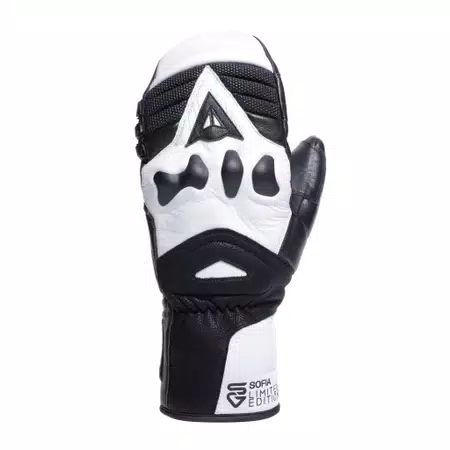
“The protective equipment I wear includes a helmet, goggles, D-air® Ski 2 Evo airbag and arm protectors.”
What do you think of the level of safety that alpine ski protection has reached today?
“In my opinion, Dainese is very advanced and is doing a great job. Let’s start with the helmet: for me, it's really the best out there. When I tried the Dainese helmet for the first time, after having tested several, I immediately knew it was the right one. It fits me perfectly and when I wear it I feel confident, and that's a fundamental feeling.
\But, above all, the D-air® Ski airbag is a very important step forward in the speed disciplines: Knowing that it protects the upper body and even the internal organs really makes a difference. I've gotten used to using it, it's comfortable, I don't feel constrained and it just gives me confidence*."
What do you do in your free time?
“I like being in nature, walking, reading, being with friends. I like tranquility. In the summer I do my preparation here: cycling, walking, climbing, gym. I vary things a lot and the climate here helps me, because I suffer from the heat.
I'm quite good at sports in general, but beyond that I'm also good in the kitchen. I love baking cookies… and eating them!”
What is your next goal?
“To give 100% of myself in the next challenges. That’s my goal. The result counts, of course, but for me it is fundamental to know that I gave everything, no regrets.”