

Like any dynamic sport, MTB requires appropriate technical clothing. When you go out on an MTB outing it’s essential to find the right balance of comfort and protection – on one hand there’s the need to pedal with maximum freedom of movement; on the other hand, you need to protect yourself from the cold (but also the heat), from falls and from all the obstacles you might encounter on the trails. How?
If we’re talking about technical MTB clothing, the upper part of the body is the most sensitive to temperature changes; that’s why we’re faced with the most variables when it’s time to choose the most suitable garment or combination of garments. But that’s no reason to forget about our legs. They need some attention, too.
The characteristics of MTB pants
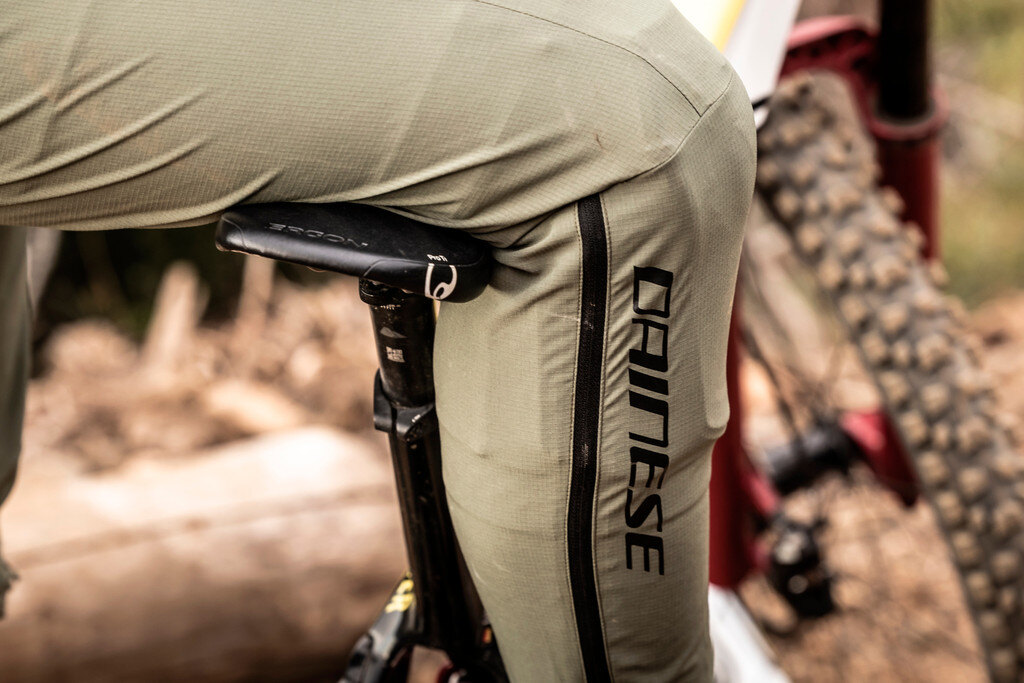
First of all, to understand how to choose MTB pants, you need to identify the needs for which they’re developed. First of all there’s safety. A pair of non-technical pants isn’t designed to resist abrasion in the event of a fall, or rubbing against the saddle. The fabrics used are therefore designed to combine flexibility and resistance; the seams also need to be particularly robust so they don’t give way under stress, especially the ones in the seat area.
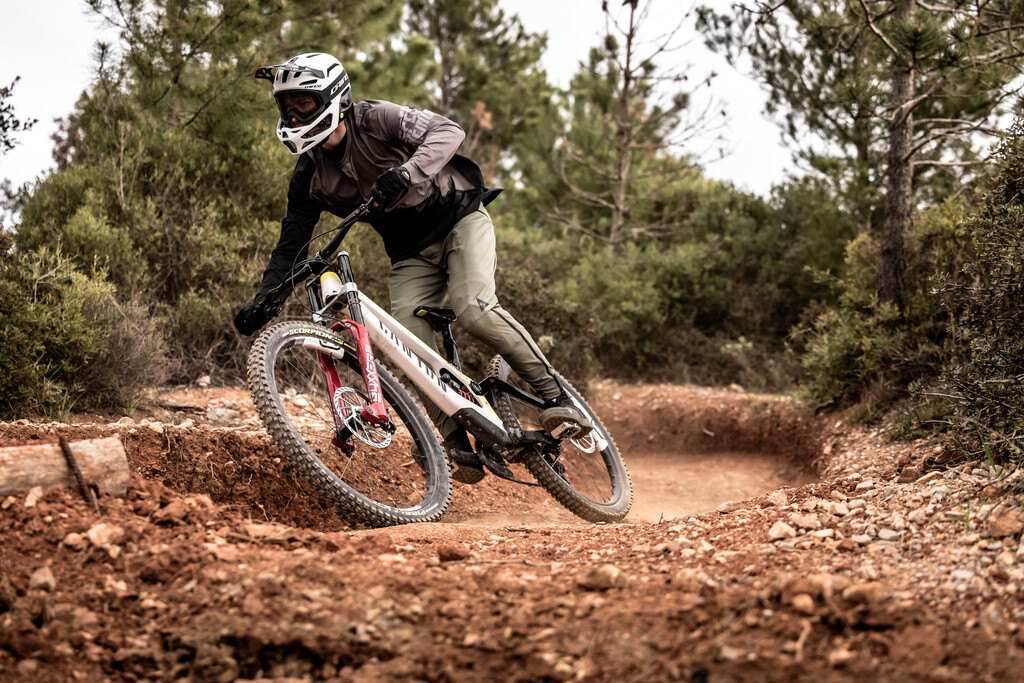
Then there’s the issue of ergonomics – specific MTB pants are stretch, designed to follow the leg during pedaling, adapting to all our movements. Another significant element is the fit – especially if they’re long, the best MTB pants tend to have a narrow fit. This is to avoid getting caught on the bicycle, especially between the chain and chainring, or on external objects.
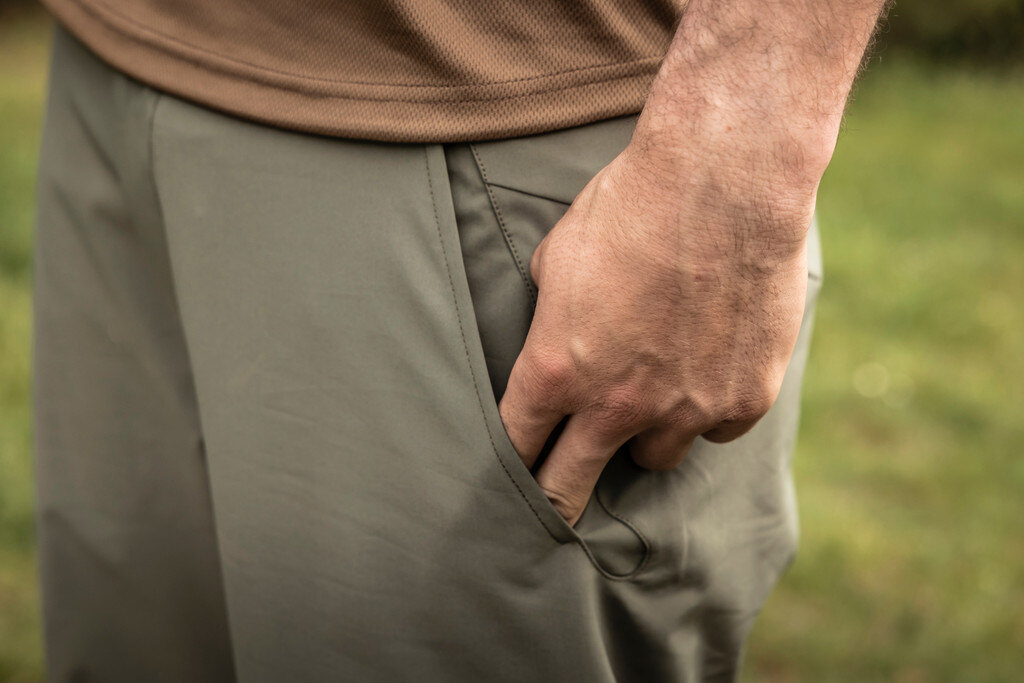
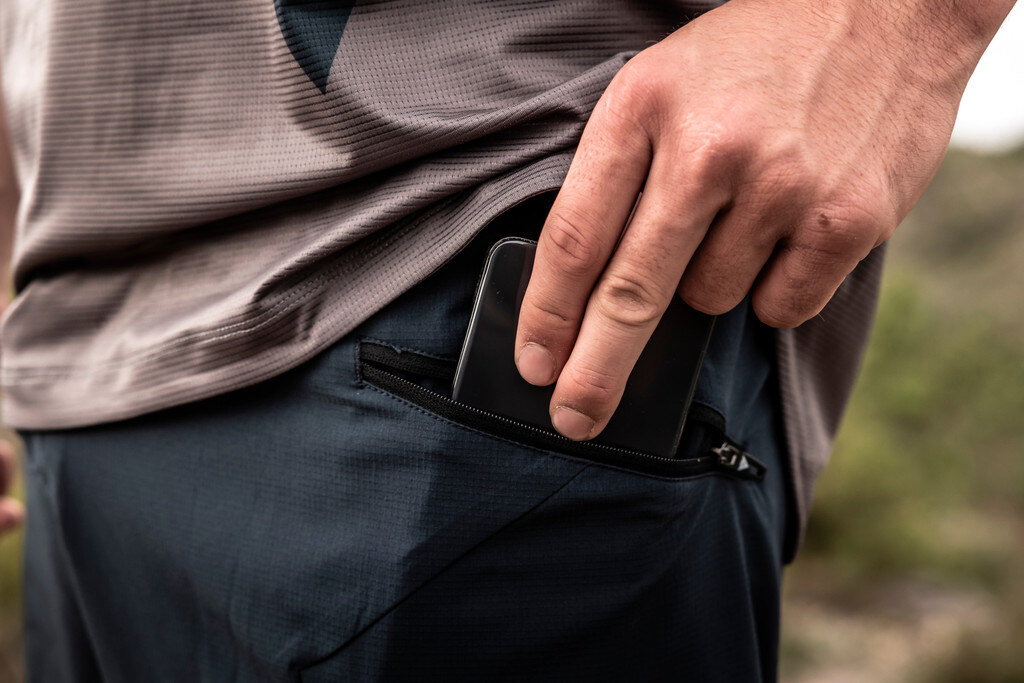
Pockets with zippers are also very useful. In order to store important objects like a cell phone, the pockets have to be able to close securely, so you don’t risk losing everything on the road. All Dainese models, long or short, are also equipped with Hook Button™, a practical system for attaching gloves on breaks so you don’t lose them.
Finally, there’s the necessary distinction between MTB pants and seat lining, which may not be obvious to those who have recently entered the world of mountain biking. A seat lining means tight-fitting undershorts with padding consisting of sponge or gel in the perineum, prostate and ischial areas. It protects private parts from stress and continuous impact against the saddle while riding, even on terrain that isn’t particularly rough. It should be worn as a first layer, so in direct contact with the skin, and in gravity biking you typically wear shorts or pants on top.
HG Aer
HG Aer
HG Aer
HG Aer
HG Rox
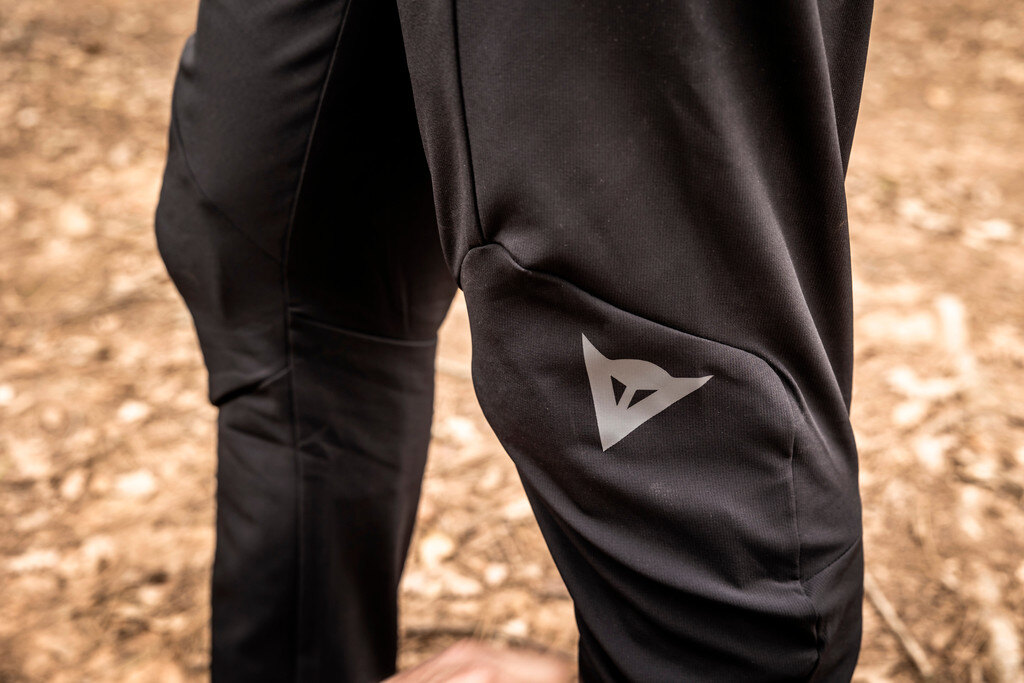
HG Rox
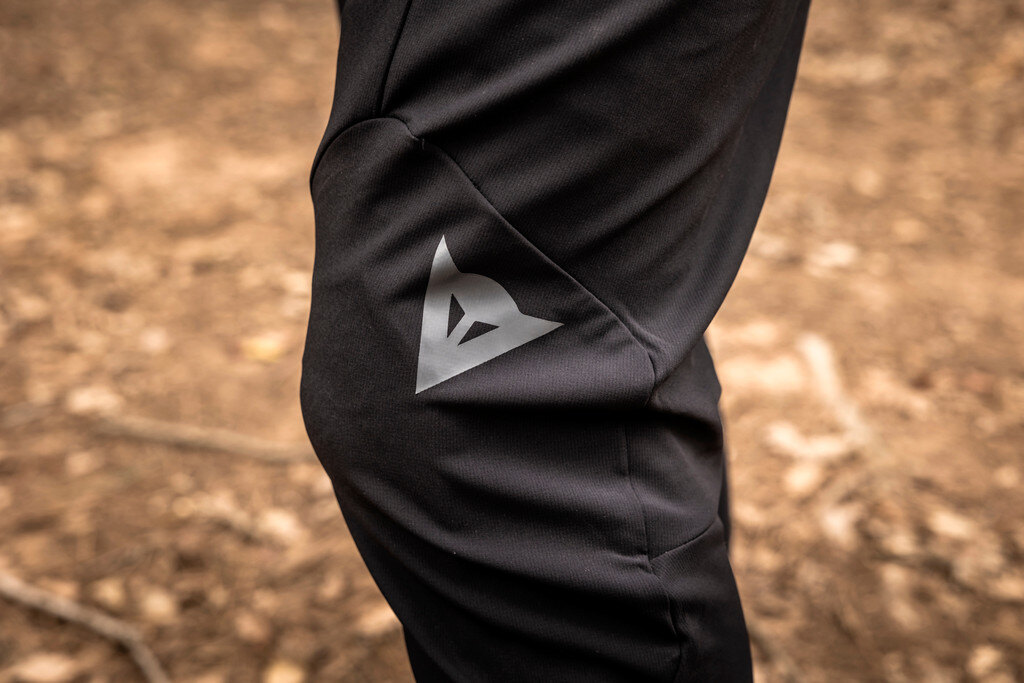
HG Rox
Long or short MTB pants
The main distinction between different MTB pants is between long pants and shorts. Generally speaking, long MTB pants are for use mainly in the colder months; when the thermometer rises above 10–12 °C, especially on sunny days, you tend to switch to shorts, especially if there’s a significant difference in altitude when pedaling (where, presumably, you’ll perspire and need maximum ventilation) .
However, long pants are also commonly used in summer by downhill riders (downhill only) because they offer greater coverage and a feeling of protection; in enduro too, you need safety, but given the significant presence of climbs, it’s more common to look for breathability and freedom of movement.
As far as long MTB pants are concerned, it’s good to make sure there’s enough volume for the knee guards. We recommend trying them with the knee guards you usually wear to avoid unpleasant surprises when you get home.
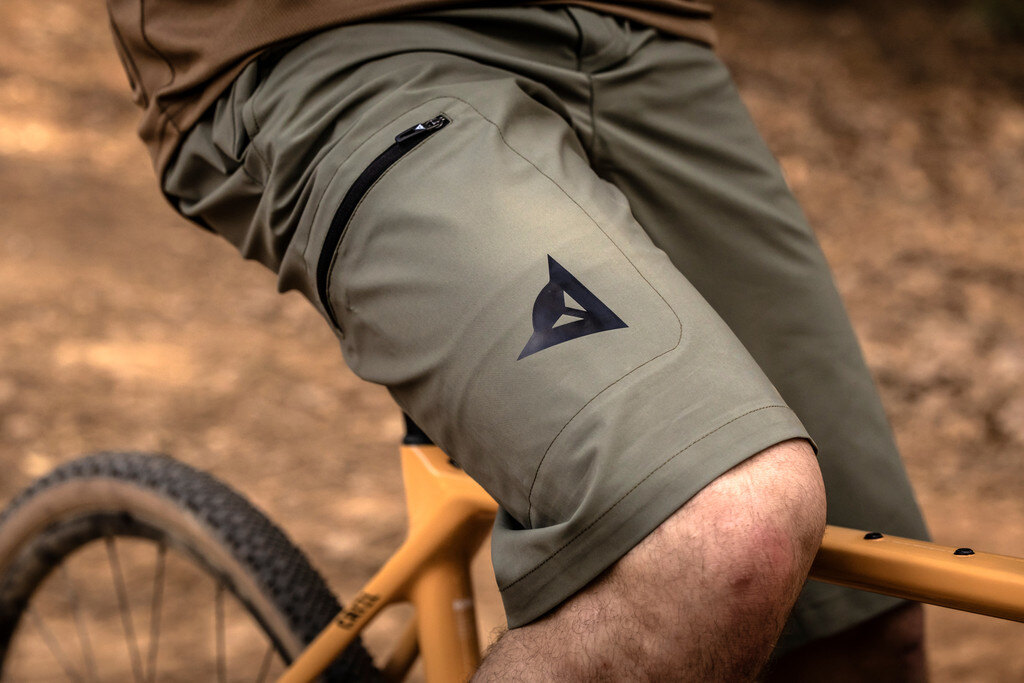
HG Omnia
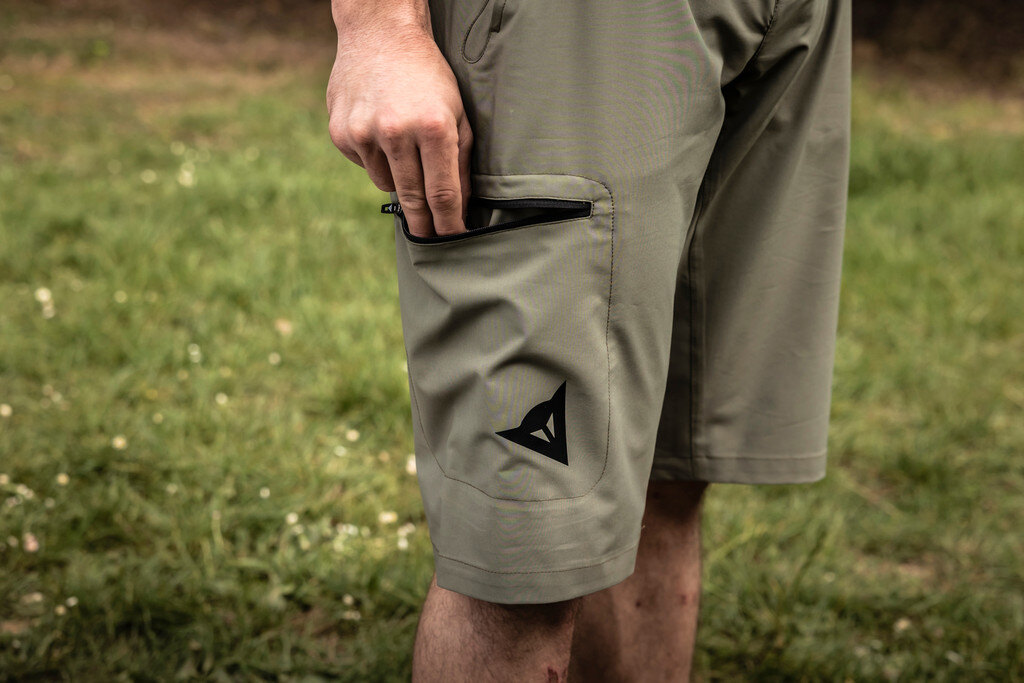
HG Omnia
HG Omnia
HG Aer
HG Aer
HG Aer
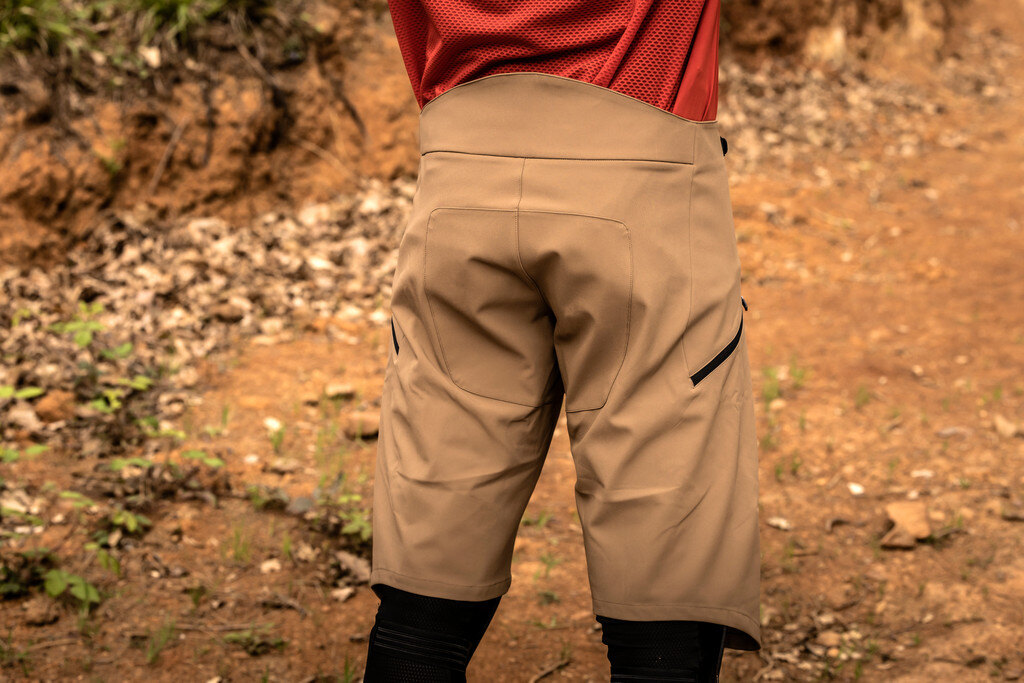
HG Rox
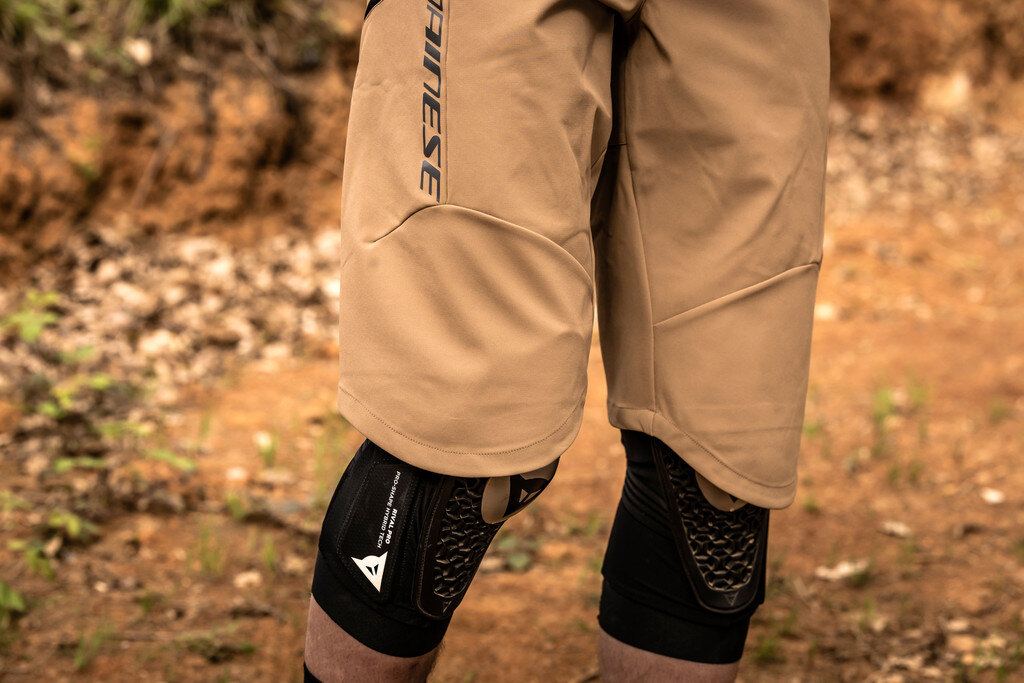
HG Rox
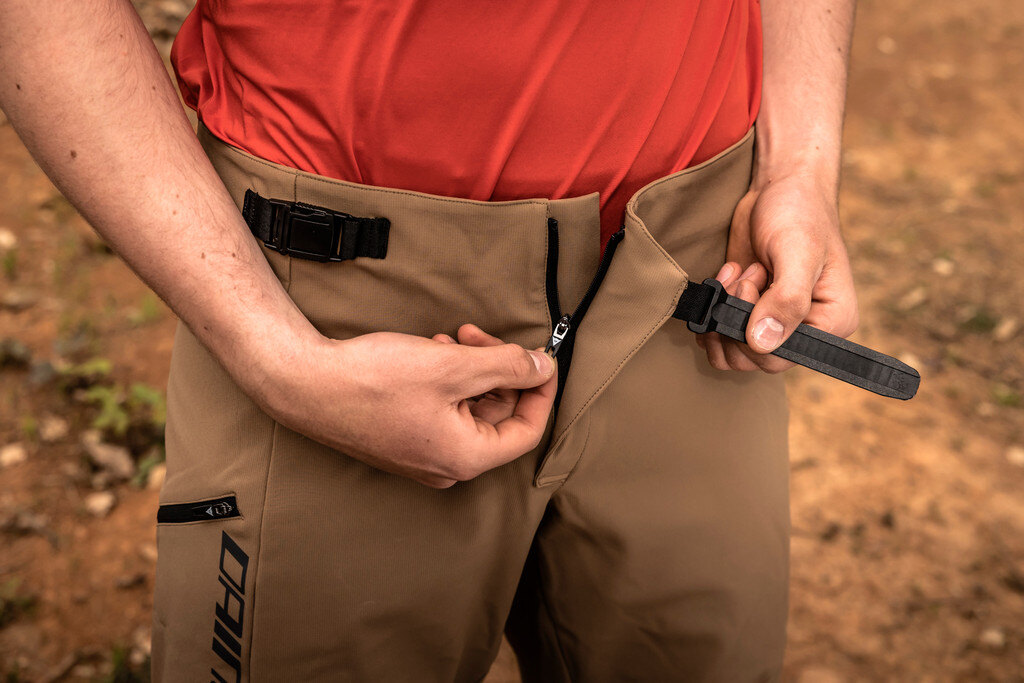
HG Rox
More resistant or more breathable pants
There are two main types of MTB pants:
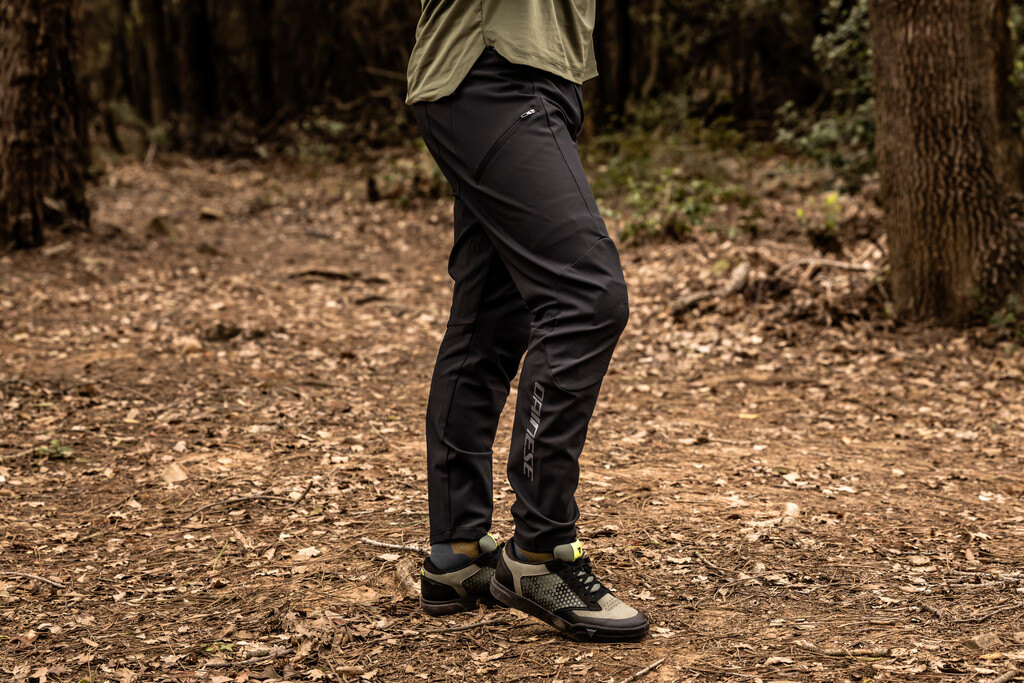
- The most resistant and elastic pants, designed to guarantee you the greatest possible freedom of movement due to the particular fabric used, in both long and short versions. In this case, you might be interested in the HG Rox or the short HG Rox Shorts variant. These have a longer cut on the front in the knee area to offer appropriate leg coverage when pedaling. They are also available for women.
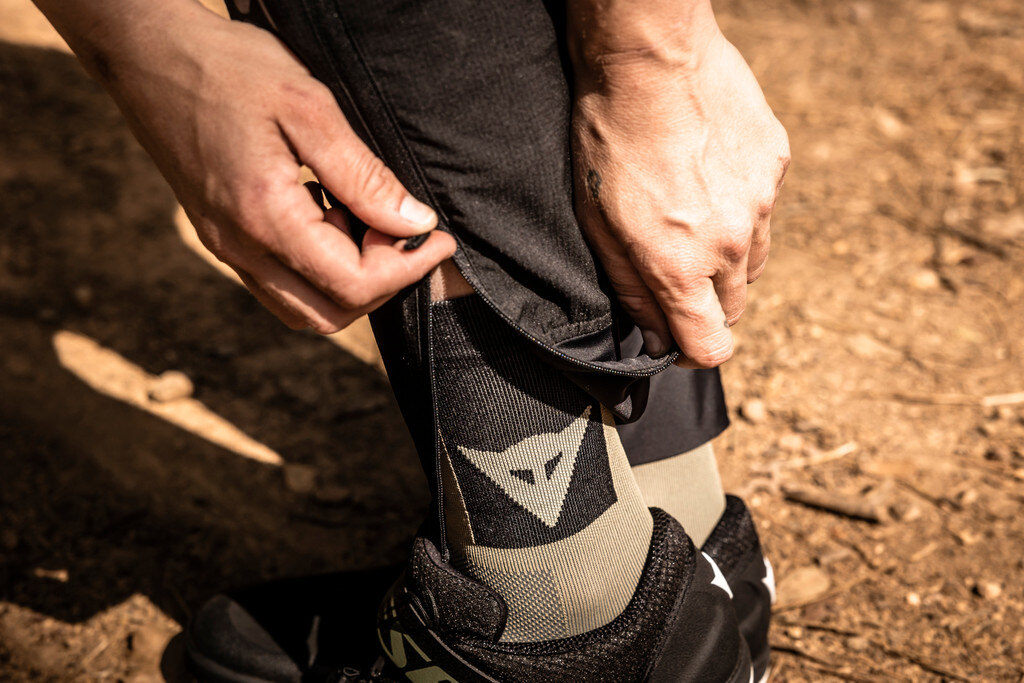
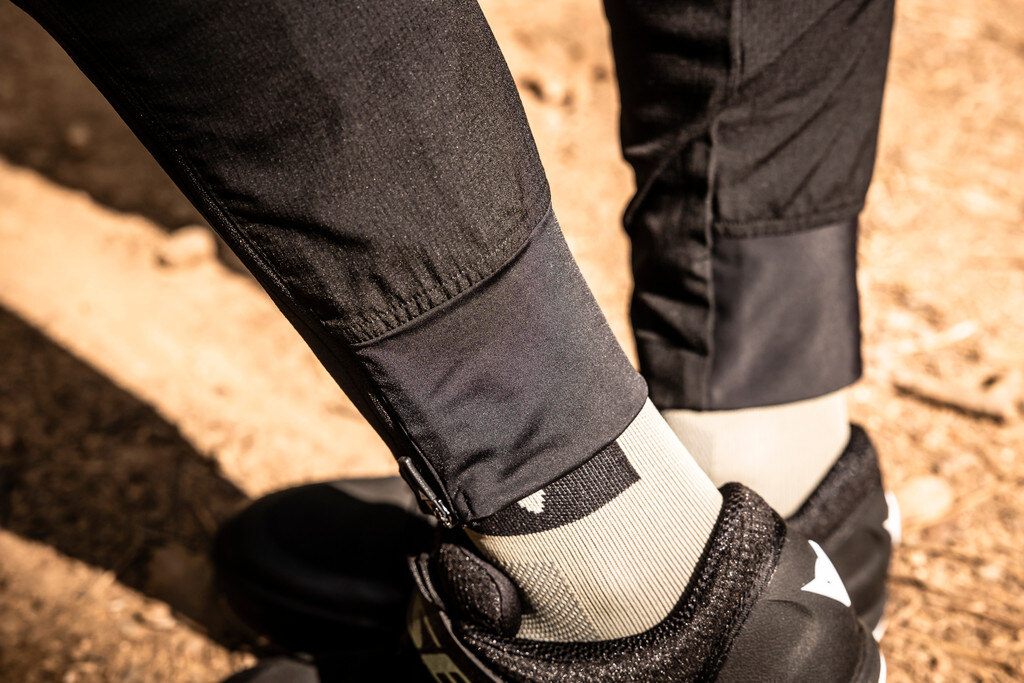
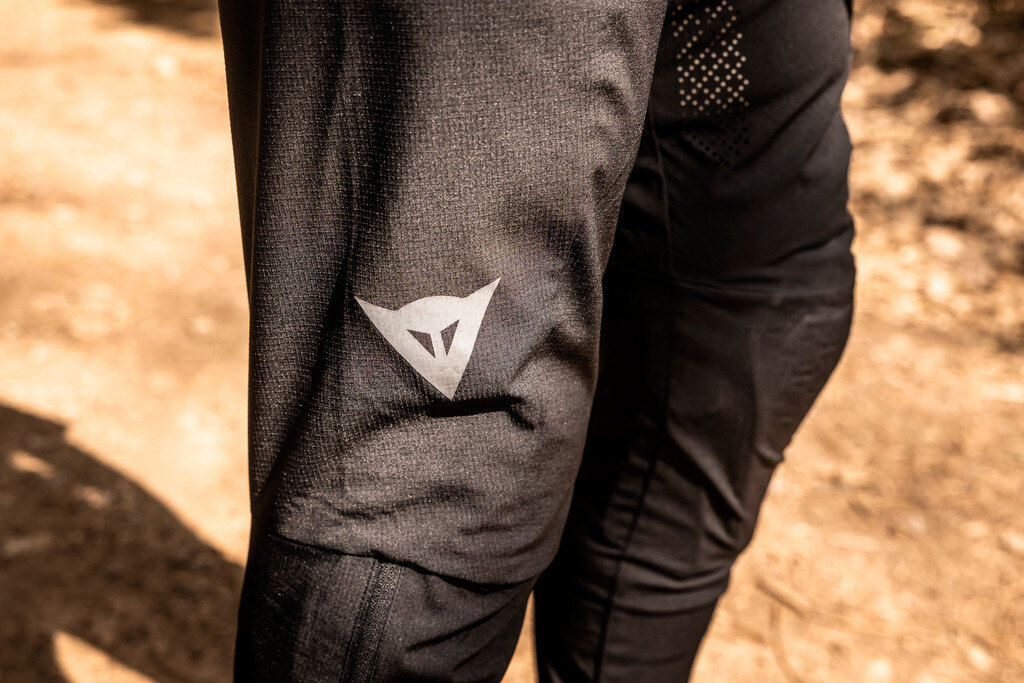
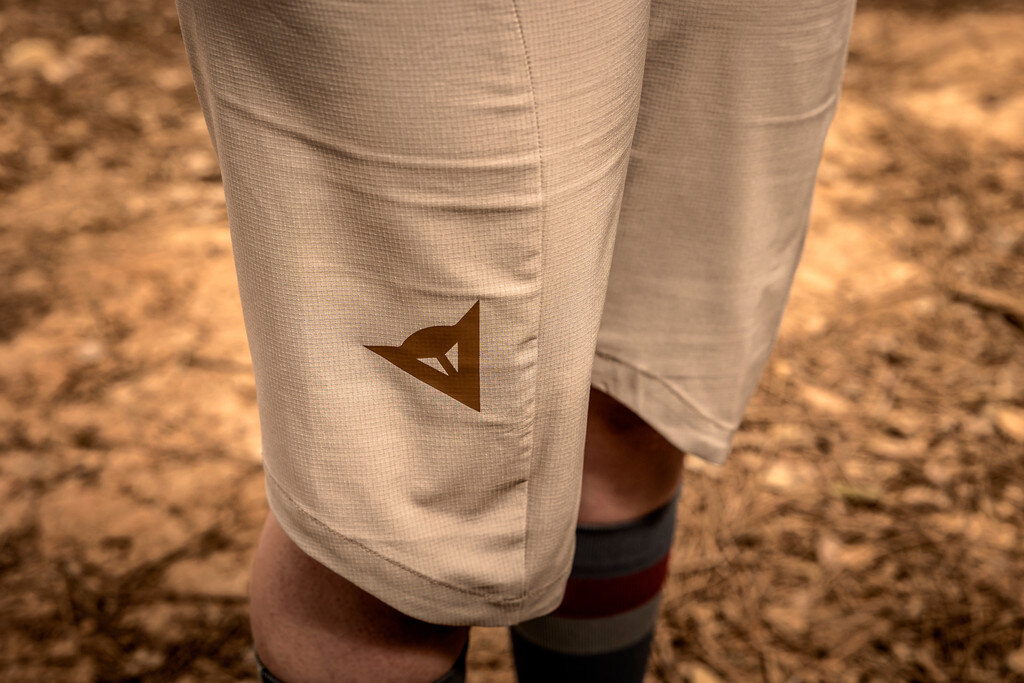
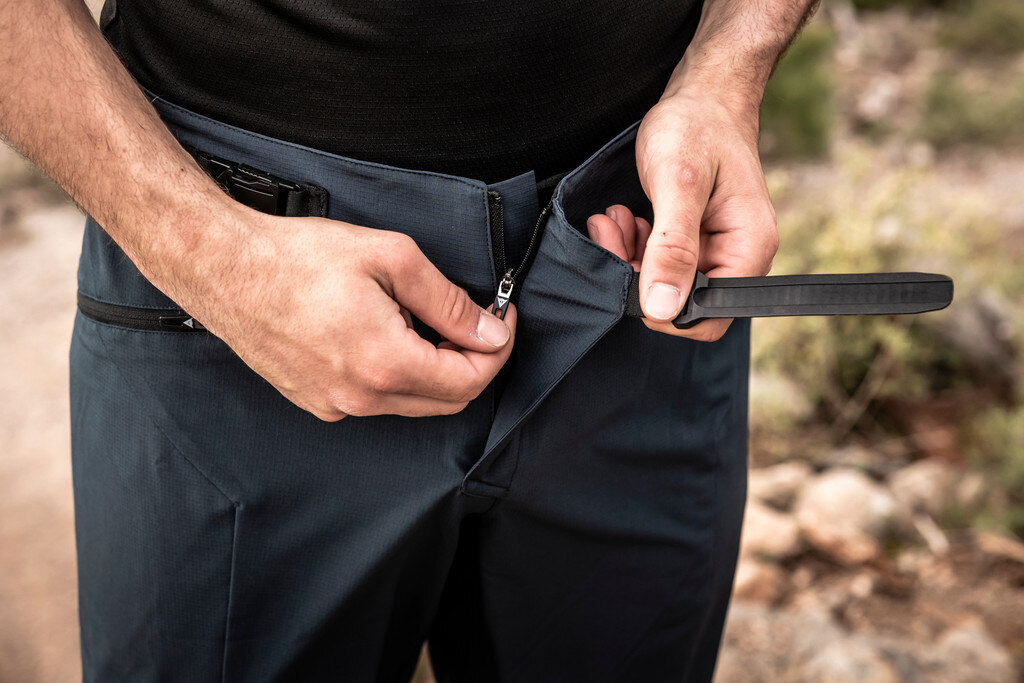
- Pants in light and breathable fabric suitable for every season, especially the warmer ones. Take a look at HG AER Pants, also available in a version for women with dedicated fit or in a Shorts version. HG AER Pants are also set apart by the elastic band in the ankle area and the zipper on the calf, useful for adjusting the position of the knee guards without having to lower your pants.
- A third alternative is HG Omnia, available in shorts version only for both men and women. Omnia pants have a sober cut and appearance – they are dedicated to cycling but also perfect in unrelated situations. They feature ergonomics optimized for pedaling and lots of pockets.
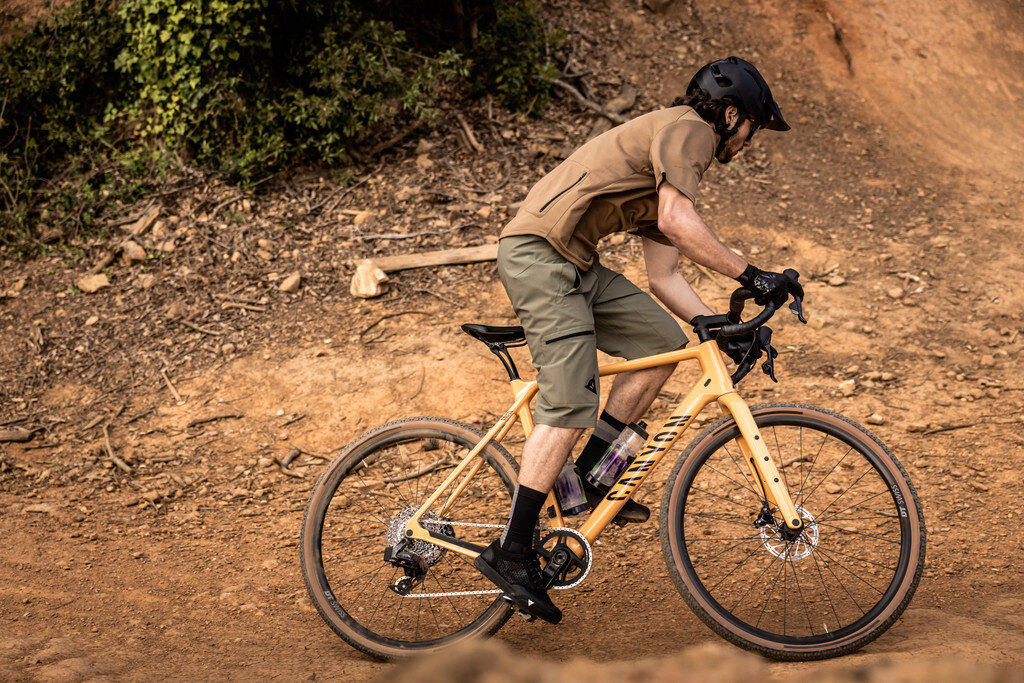
HG Omnia
Do you ride only in mild seasons, mainly uphill? Best to choose shorts. But if you’re looking for something more protective, not only against falls but also the cold, go for long pants. In any case, if you go mountain biking you can’t do without technical pants.