

The helmet is the piece of gear that, more than perhaps any other, a motorcycle rider hopes to never truly put to the test. For that very reason, many riders ask how long a motorcycle helmet lasts without any significant impacts, and how to keep it in optimal condition over time.
A helmet is designed to protect your head in the most violent impacts, but that doesn't mean it's indestructible or that it can be treated carelessly. Keeping it in good condition, however, doesn't require any special rituals: In most cases, it's simply a matter of avoiding a few bad habits.
It's mostly a matter of common sense: Helmets should be kept in a dry place, should not be left where they can fall, and should not be exposed to heat sources for extended periods. These are simple precautions that help preserve both the shell and the internal materials, keeping them comfortable and functional over time.
The Most Common Helmet Maintenance Mistakes
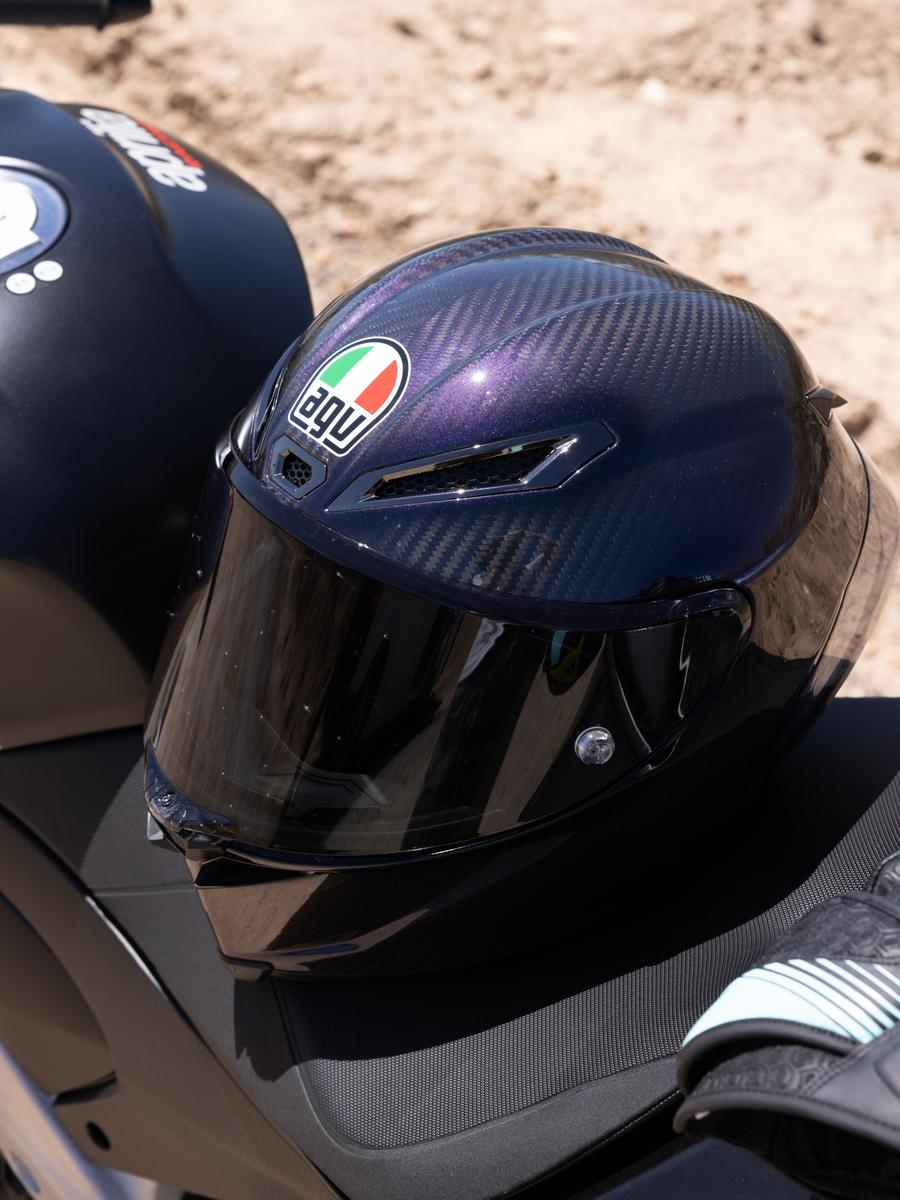
Some bad habits are more common than you might think. Resting the helmet on the tank or seat, hanging it from the mirror or handlebars during a stop: These may seem like harmless habits, but it only takes a moment for the helmet to slip and hit the ground.
Another common mistake involves cleaning. Using harsh cleaners, solvents, or glass-cleaning products can damage the paint, seals, and plastic parts; we recommend using products specifically designed for helmet cleaning, or alternatively, water and mild soap. Storing the helmet in very humid or very hot conditions — for example, a poorly ventilated garage or a car trunk in the summer sun — can also accelerate material degradation over time.
What Happens When a Helmet Takes an Impact
One of the most common questions is what happens when a helmet takes a hit. Not every drop automatically means the helmet needs to be thrown out, but it's important to understand how a helmet protects and, as a result, what can compromise its ability to do so.
Inside the shell there is a layer of EPS (expanded polystyrene), a material similar in concept to foam packing material; this is the material responsible for absorbing impact energy. How does it do that? It does so by compressing. Unlike a sponge or an elastic band, however, EPS does not return to its original thicknessafter being compressed. When it compresses to absorb an impact, that area remains permanently deformed.
For this reason, EPS is said to be designed to protect effectively only once in any given area. If the helmet takes an impact while being worn — that is, with the rider's head inside — the weight of the head itself contributes to compressing the EPS during the impact. In that case, its ability to absorb energy in that area may be reduced, which is why a helmet should always be replaced after an accident, even if it shows no visible external damage.
What Happens If a Motorcycle Helmet Is Dropped
The situation is different when the helmet falls while not being worn — for example, from the seat of the bike or from a table. This is one of the most common questions among riders: If a helmet gets dropped, does it need to be replaced?
From a technical standpoint, this type of impact occurs without the weight of a head compressing the internal EPS; as a result, the energy involved is generally lower than in an impact sustained during use.
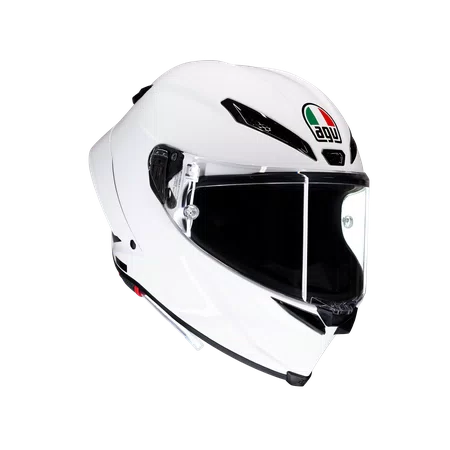


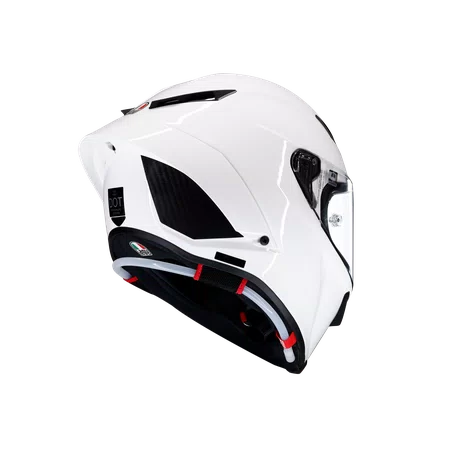

Our guidance, however, is clear: If the helmet sustains an impact, it should be replaced even if no visible damage is present. This is because any structural damage to the internal components may not be visible to the naked eye.
In practice, several factors come into play: the height of the drop, the impact surface, and the overall condition of the helmet. If no cracks, deformations, or mechanical issues are visible after the drop, the helmet may not have sustained structural damage; when in doubt, however, the safest choice is replacement or, alternatively, having it inspected at a specialized retailer.
Motorcycle Helmet Lifespan and When to Replace It
Many riders wonder how often a motorcycle helmet needs to be replaced, and it’s worth noting that, even without any significant impacts, a helmet doesn’t last forever. Over time, the internal materials, padding, and overall components undergo a natural aging process. Sweat, temperature fluctuations, UV exposure, and everyday use gradually take their toll on performance.
For this reason, even when no obvious signs of wear are present, we at Dainese-AGV generally recommend replacing the helmet around five years after purchase. This figure is a guideline, but it represents a good rule of thumb for knowing when to replace a motorcycle helmet. It doesn’t mean the helmet suddenly stops working on the fifth anniversary, but beyond that point we can no longer guarantee that the materials will perform as they were designed to.

How to Clean and Maintain a Motorcycle Helmet
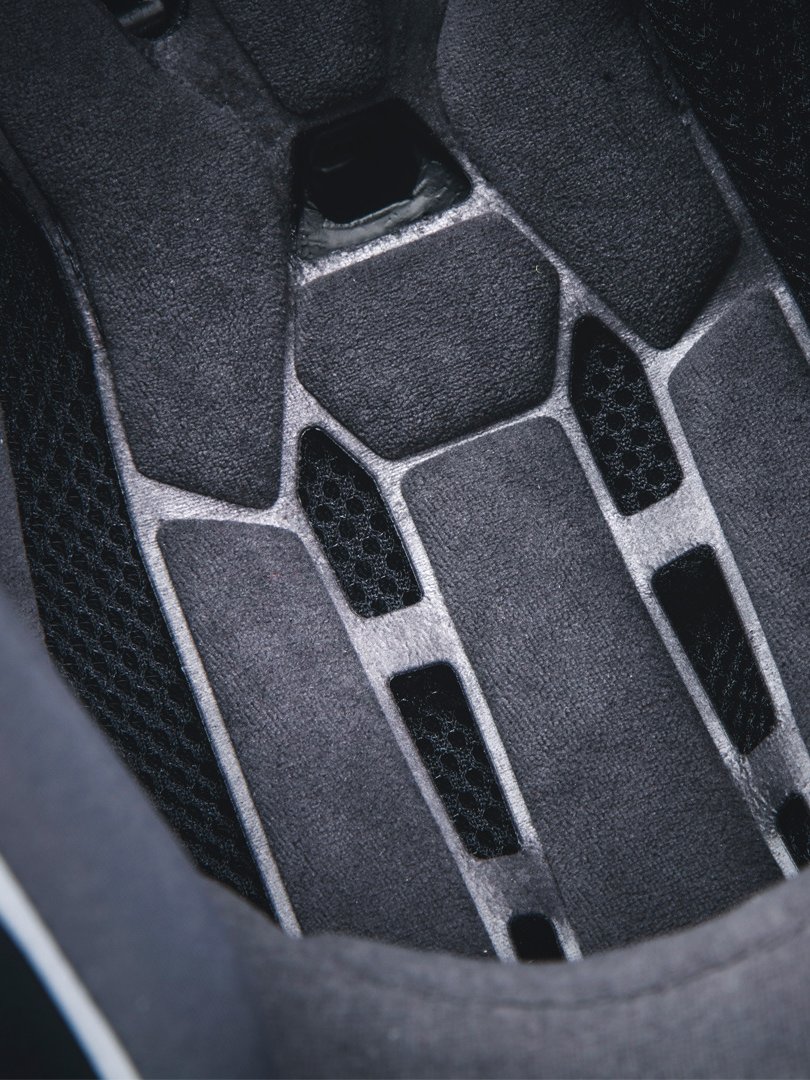
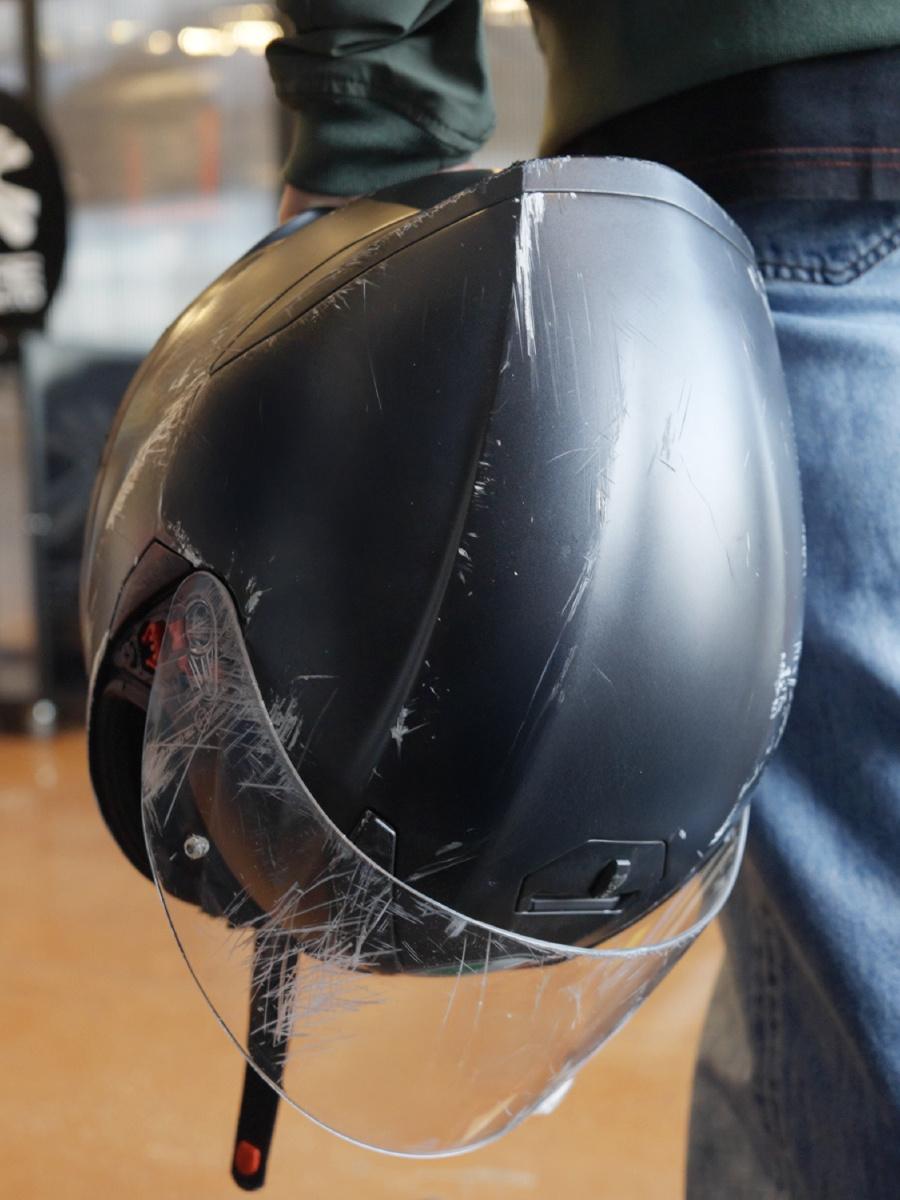
Regular maintenance helps keep the helmet comfortable and in good condition. The removable interior padding can be washed with mild detergents and left to air dry, away from direct heat sources such as radiators or dryers. The visor should also be cleaned with warm water and a soft cloth, without using harsh products that could damage its surface coatings.
On that note: If the visor and shell are heavily soiled after a ride — from insects, for example — it's best to clean them right away, before the dirt has a chance to dry and become harder to remove.
It's also a good idea to check regularly that the visor and fastening system are always in proper working order, especially when the helmet is used frequently. With the visor specifically, it's worth noting that if it becomes scratched or loses its clarity, it can easily be replaced. The visor mechanism can be easily lubricated with a specific product such as a silicone-based lubricant, which is safe for plastics and paint.
The bottom line is simple: A helmet isn't a fragile object to be handled with excessive caution, but it is still a fundamental safety device built from specific engineered materials. With a little care in everyday use and a few simple maintenance habits, it will provide protection and comfort for its entire service life.