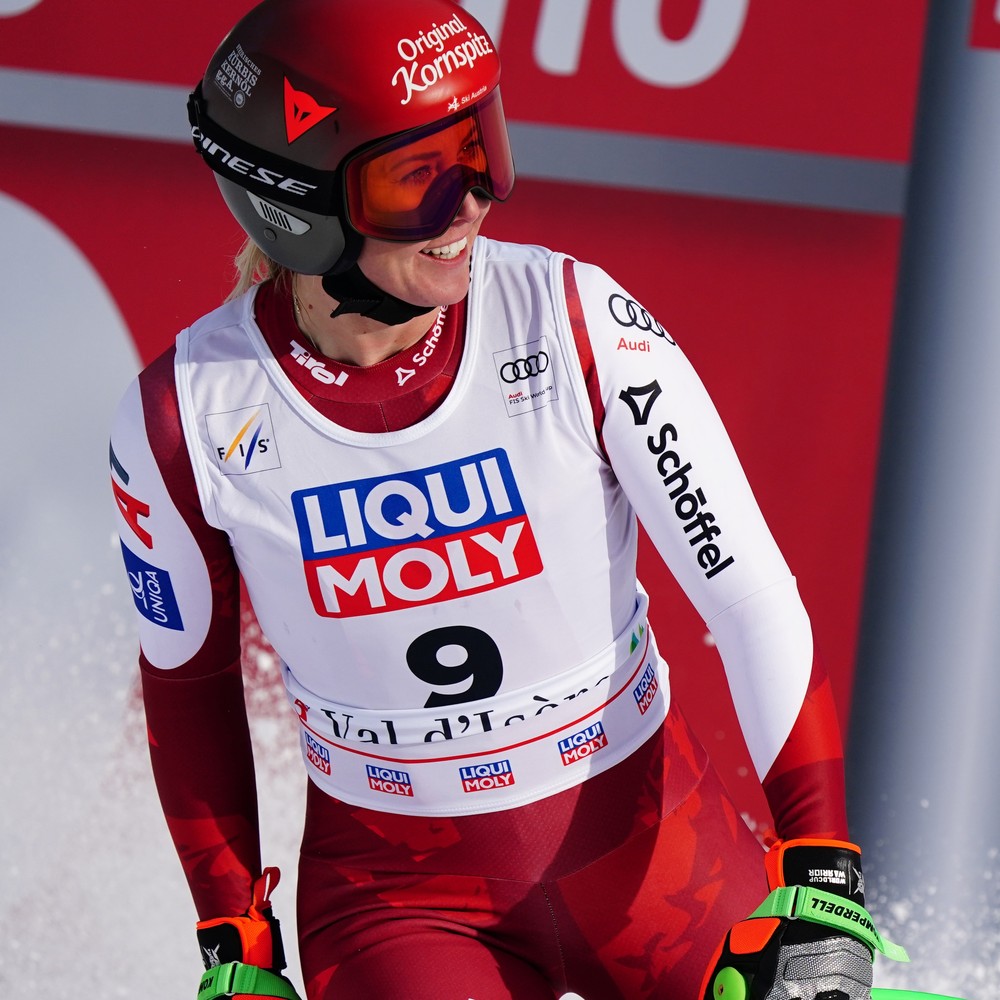


Cornelia “Conny” Hütter is one of the stars of speed in women's alpine skiing. An Austrian native, she was born in 1992 and raised in a country where alpine skiing is part of the national sporting culture, Hütter started with a clear goal from a very young age, progressing to the highest levels in her career. Winner of the Downhill World Cup in 2024 and a constant presence in the speed disciplines, over time she has established herself as a key member of the Austrian team.
Behind the results lies consistent hard work, a combination of physical training, mental balance and the ability to get through even the most challenging moments of her career. In this interview, Hütter talks about the beginnings, her training and preparation, the relationship between instinct and control at high speeds, and the central theme of safety, from the evolution of protection systems to the introduction of the airbag as a mandatory requirement.
Conny, at what age did you start skiing and when did becoming a professional become a concrete goal?
“I started skiing when I was two years old, so very early. That Christmas, I received skis and boots as a gift and tried them for the first time right in front of my house. That was my first skiing experience. I don't remember it clearly, but there are some photos where I'm smiling a lot, so I was probably having a lot of fun.
Then, around the age of 10-12, I would always watch ski races on television, and at a certain point I asked my parents if skiing could also become a job. They answered that yes, if you’re good enough you can do it as a career, and that’s where it all started.”\*
If you hadn't become a skier, what path might you have taken?
“I was very young when I made this decision and my whole life has always revolved around skiing. That said, I really love animals, so I probably would have done something related to them. Actually, in addition to my sporting career, I am also part of the police force: I attended the police academy here in Austria.”
How do you prepare, physically and mentally, before a race?
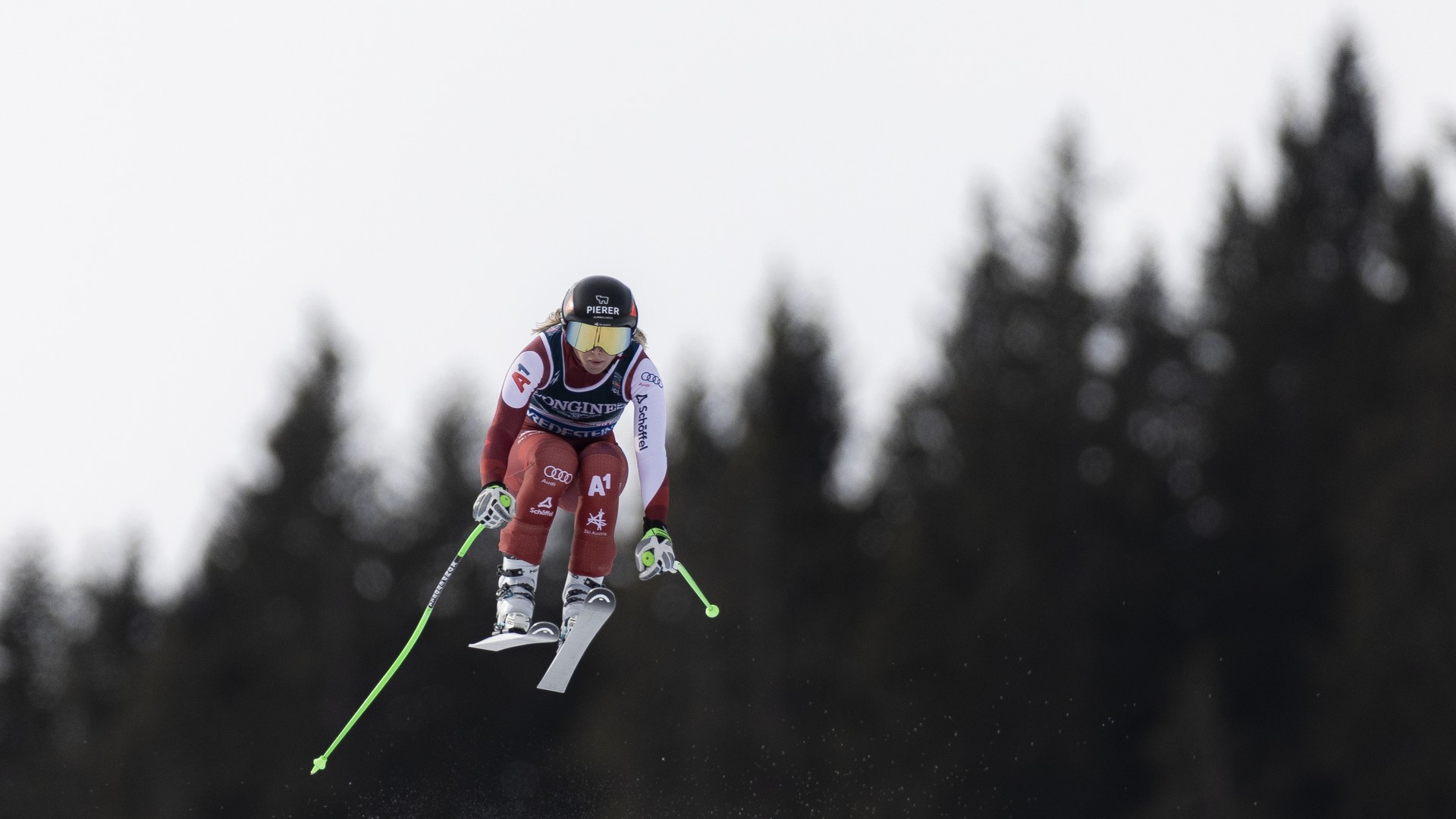
“Bear in mind that the physical training takes a long time, it lasts all summer. Then in the fall we start getting back on our skis and testing the materials.
From a mental point of view, however, it’s not always the same: There are days when I feel very calm and everything seems to come naturally, but there are others when I think too much, I get nervous and it becomes difficult to concentrate on the main objectives of the day, whether it's a race or training.”
How important are talent and hard work at a high level?
“Talent is important, you have to have it, but it’s hard work that really makes the difference. It's what allows you to stay competitive throughout the winter and even throughout your entire career. In my opinion, this is the aspect that matters most.”
In modern skiing, what it more important: physical condition, mental strength, or consistency?
“You need a little bit of everything. Mental strength is essential for example when you go through difficult times: for example, last January I got sick and it was difficult to get back into full shape and find the right feeling on my skis. Then there’s continuity: Being ready at the start of the season is key, but maintaining that form until the end of the winter is even more important.”
Do you feel like you learn more from mistakes or successes?
*“It’s often said that we learn from our mistakes, but in my opinion we must also know how to learn from our victories. When you win, there are interviews, commitments and a whole series of things that revolve around success: that's stressful too, and it's part and parcel of it, you have to learn to manage it.
I remember my first podium: It was very stressful because I didn't know exactly what to do or how to behave, and it's not a given that you can find the right sense of calm to start over. Winning is something special and teaches you a lot.*
On the other hand, I was away from competitions for a long time due to injuries: during these times, you have to stay home and be very patient. It’s very difficult, you learn a lot there too.”


How does it feel to win a World Cup victory against the best athletes on the planet?
“My recent victory in Val d'Isère was my tenth (December 20, 2025, ed.), so it’s not such a frequent occurrence: that's exactly why it was so special. At the starting gate I was only thinking about what I had to do in the next two minutes, and also during the warm-up in the twenty minutes before. That's the part I like the most, because that's where you put in the groundwork for winning.
When you're down at the finish line you can't do anything else - you just have to wait for the others to come down, and you do get a bit nervous then.”
Does a win change your approach to subsequent races?
“No. I believe that regardless of the results, the approach must remain the same from the beginning to the end of the season. We all work to win and the day after a victory we have to start again right away: we have to keep pushing.”
When skiing at high speed, how much do instinct and control matter?
“I would say 80% instinct and 20% control. You have to react very quickly. Before the race, there's a moment of recognition, and at that moment I try to think about everything I'll have to do, so that I don't have to do it during the descent; during the race I need to know what to do, and it has to come instinctively. Thinking while skiing makes you slower.”
What advice would you give to a child who dreams of becoming a skier?
“Follow your own path and have fun. As a child, I was always happy to be on the snow and that feeling must remain inside you even when you get to the World Cup. In a career there are difficult days and even major obstacles, but if you focus on what you enjoyed as a child you can overcome them.”
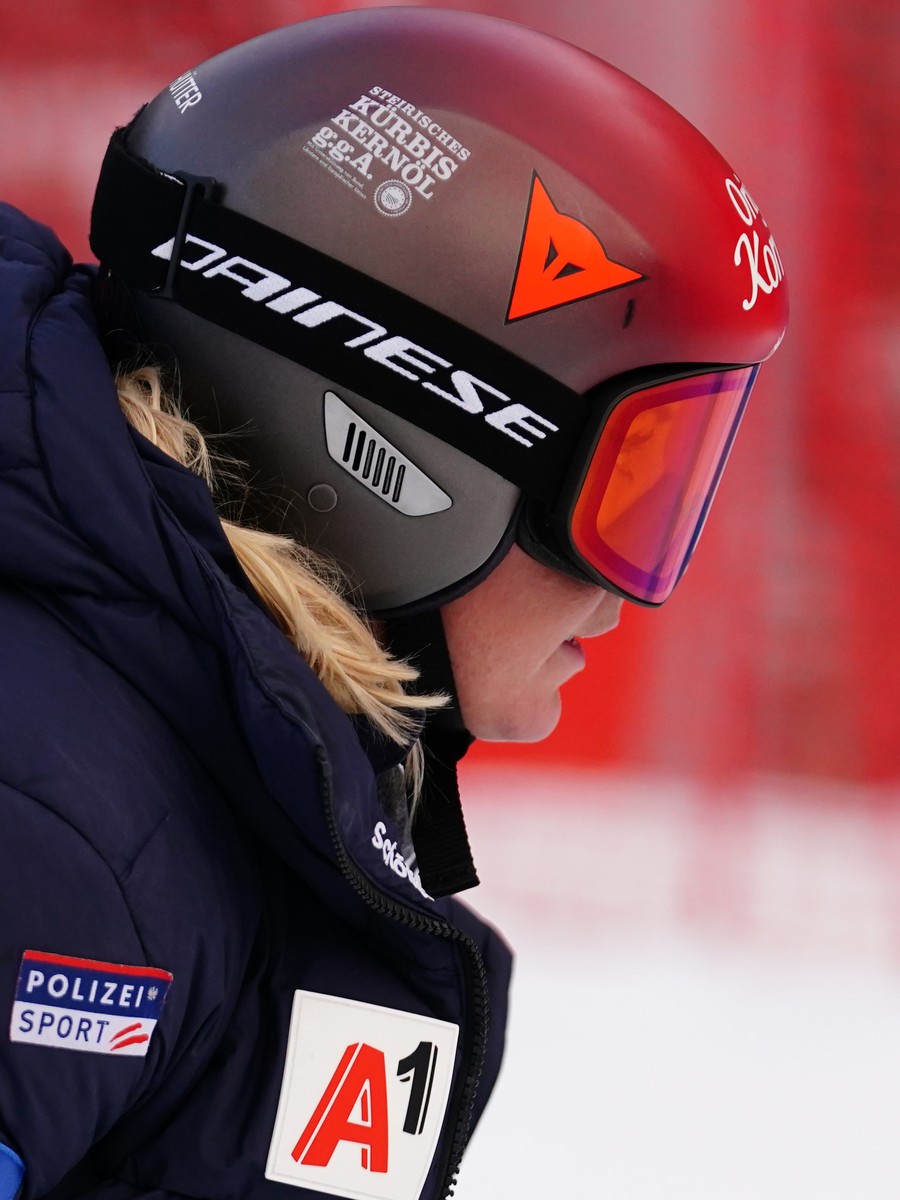
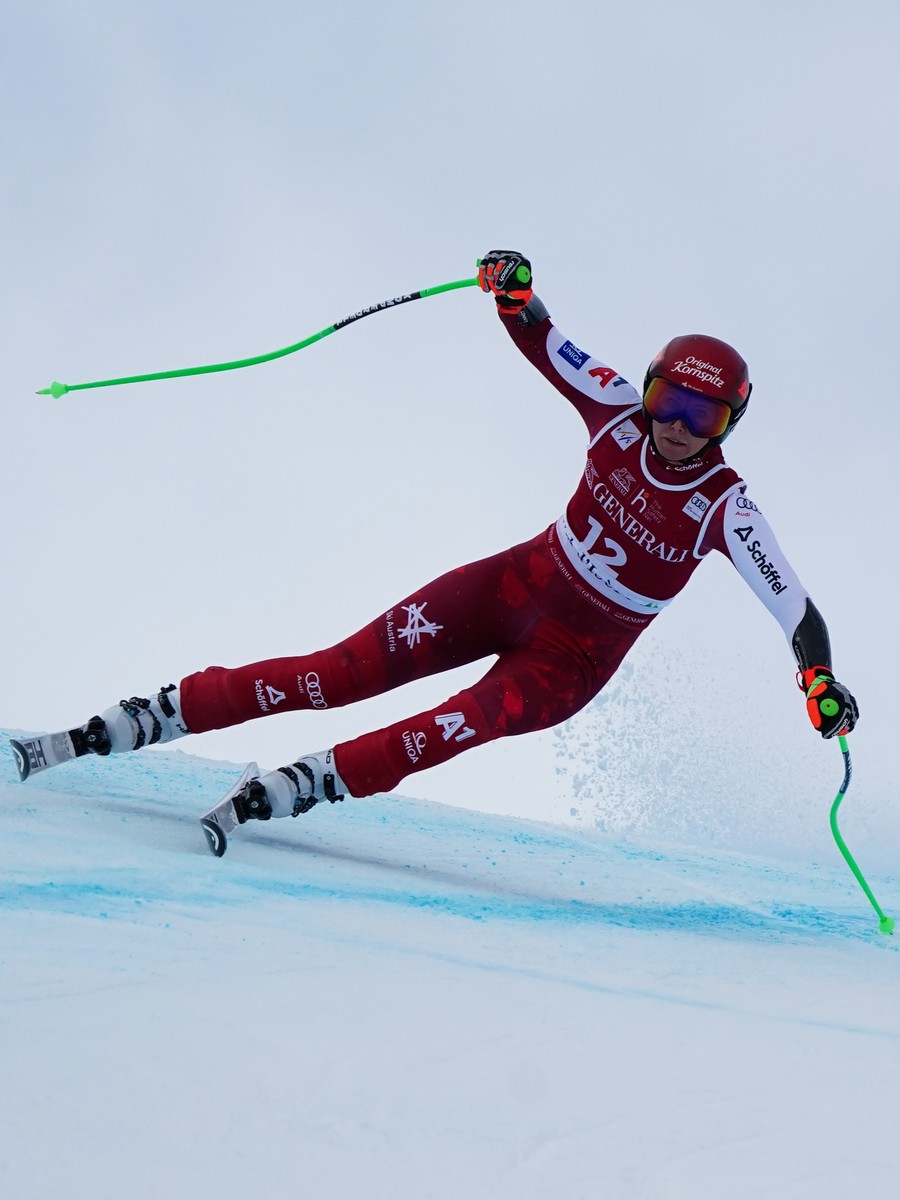
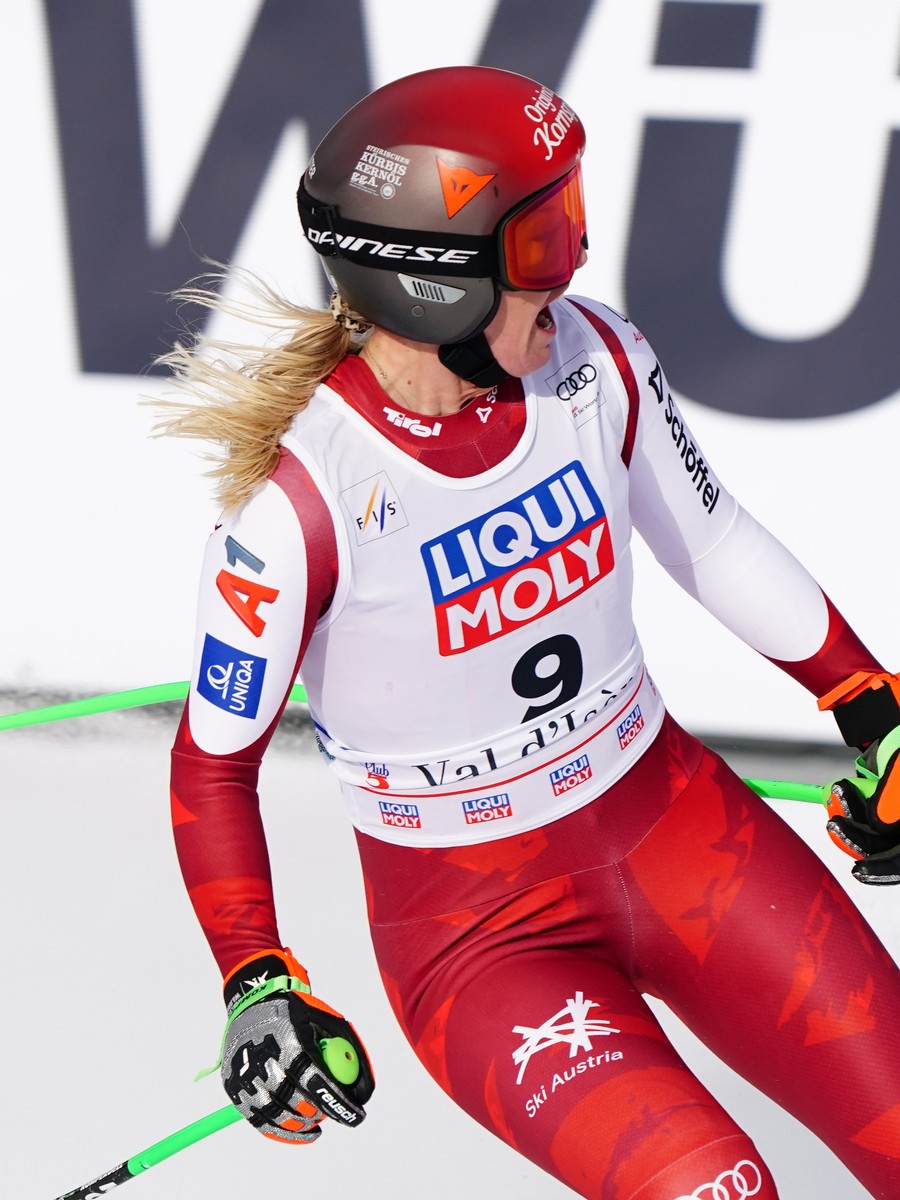
Let's talk about safety now: Where do you see the greatest progress and what do you think could still be improved?
“It’s always difficult to talk about safety in downhill skiing; it is and remains a very dangerous sport, but there’s plenty of good work being done, even on the barriers at the edge of the track. If you think about how people used to descend these slopes fifty years ago, they still went really fast, but without any kind of protection.
With regard to myself, when I feel safe at the start, with my helmet and all the rest of my equipment, I know I can go fast and give my all because I feel protected. Airbags are now mandatory and it’s a great step in the right direction, but there is still room for improvement over the years to come. Another great improvement has been the introduction of cut-resistant underwear.”
How has the airbag affected your skiing?
“At first we had to get used to it: it's still an extra item to wear, and honestly, it wasn't the easiest thing for me at first. But knowing that it increases safety and doesn't negatively impact aerodynamics reassured me. With the Dainese D-air® Ski 2 Evo airbag I can move freely in all positions during the descent, and I feel completely at ease.”
Is there any aspect of safety that you think still doesn't receive enough attention today?
“Safety during training could be further improved, especially with regards to the barriers. That said, in the last two years in particularly there have been significant steps forward: we are on the right track.”
What’s your next goal?
“Without a doubt, to do well in the next races.”