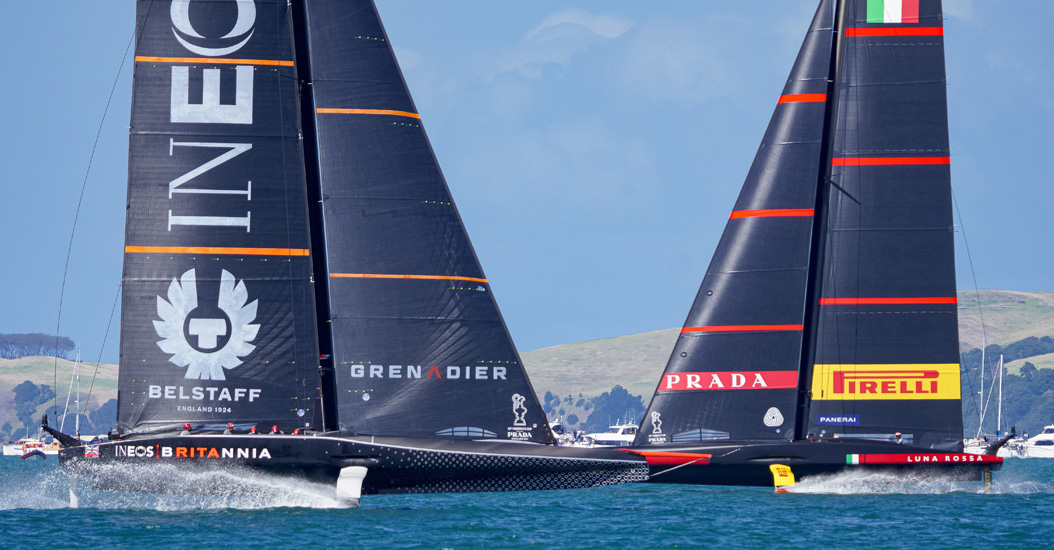
La 36ª Copa América presentada por PRADA está lista para comenzar en Nueva Zelanda, frente a las costas de Auckland. El Luna Rossa Prada Pirelli y el Emirates Team New Zealand, retador y defensor respectivamente, se enfrentarán del 6 al 15 de marzo en una serie de regatas que elegirán al velero y la tripulación más rápidos de los mares. Ambos equipos llevan Dainese Sea-Guard, una pechera de protección desarrollada específicamente para las regatas. Pero, ¿por qué necesitan protegerse estos deportistas?
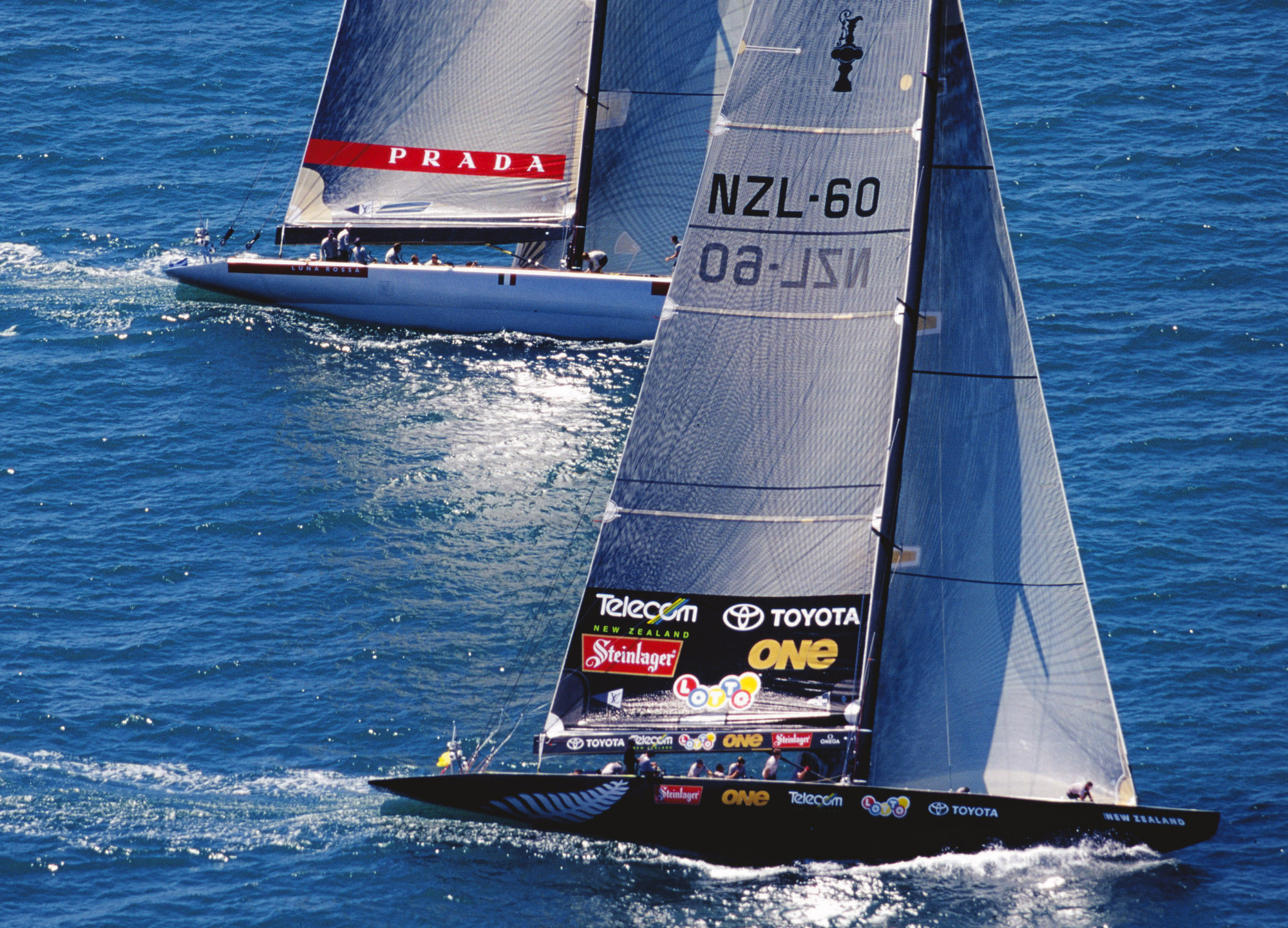
Luna Rossa y Team New Zeland, 2000. © Studio Borlenghi
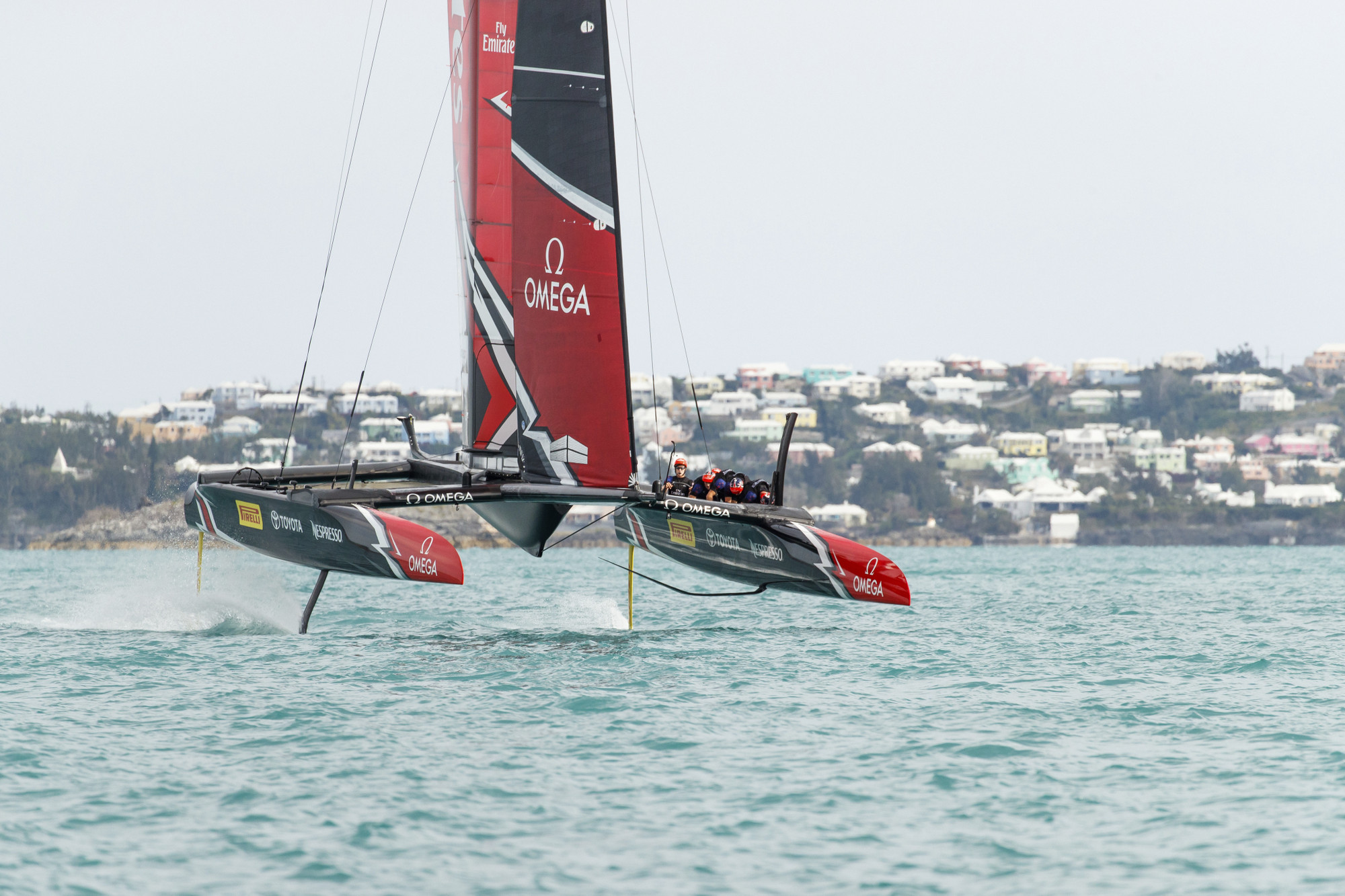
Emirates Team New Zealand, 2017
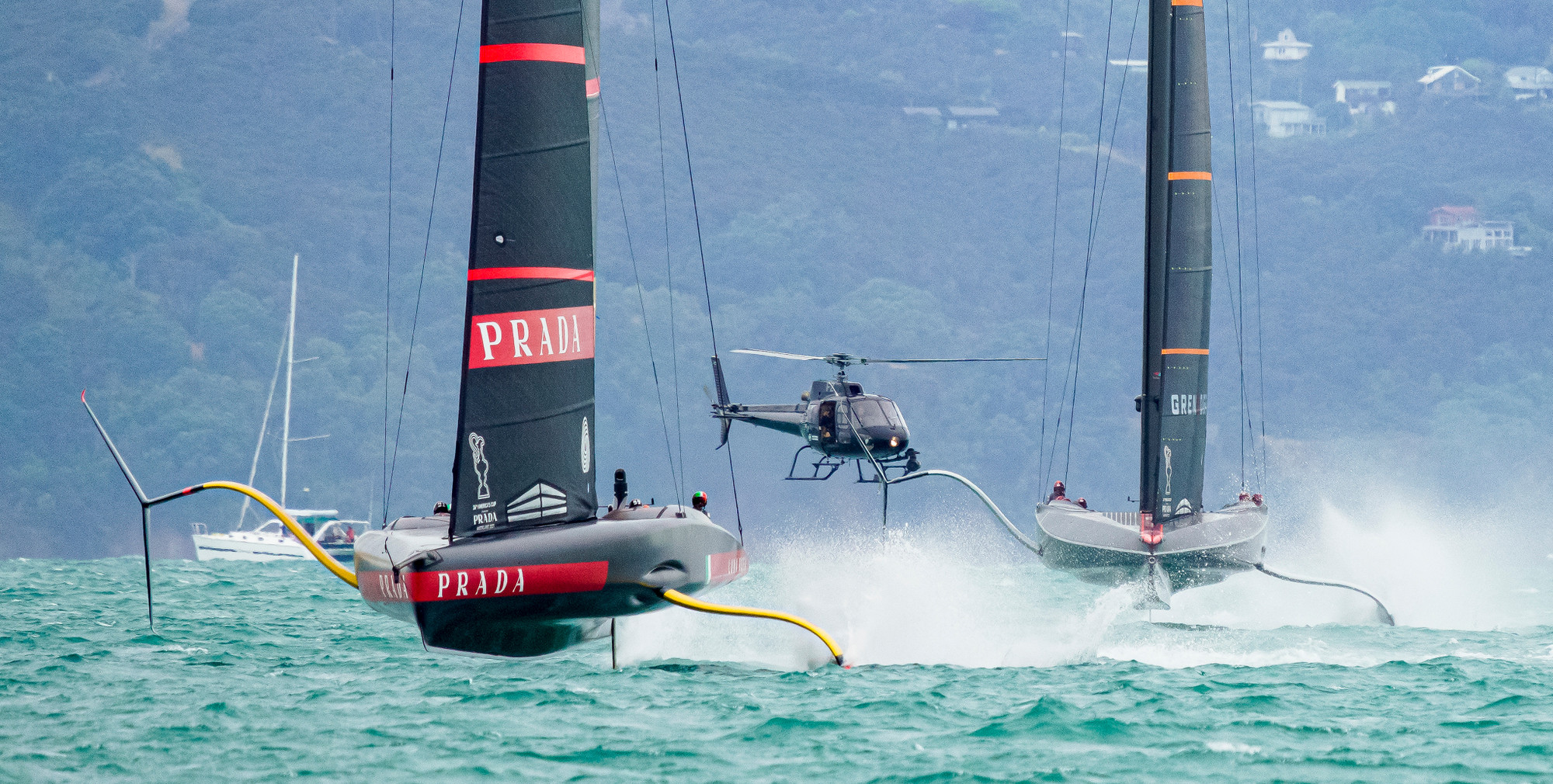
Los barcos de la clase AC75
Los barcos de la clase AC75
Los barcos de la Copa América han experimentado una evolución vertiginosa que los ha llevado a pasar de ser monocascos tradicionales a monocascos voladores en tan solo unos años. Un monocasco volador tiene la peculiaridad de estar equipado con los llamados foils, unos alerones móviles controlados por un sistema hidráulico y situados en los laterales del casco que, al crear un empuje ascensional, permiten que la embarcación se eleve y salga literalmente del agua, dejando solo sumergidos los extremos de los propios foils, o uno de ellos, y el timón.
El principio físico que subyace a este fenómeno es el mismo que el del vuelo de los aviones. Cuando se alcanza una determinada velocidad, de forma similar a lo que ocurre con un avión en el aire, la fuerza perpendicular a la dirección del movimiento empuja el cuerpo hacia arriba y le permite elevarse durante la navegación. Básicamente, el alerón sumergido en el agua se comporta como un ala en el aire.

Luna Rossa y Team New Zeland, 2000. © Studio Borlenghi
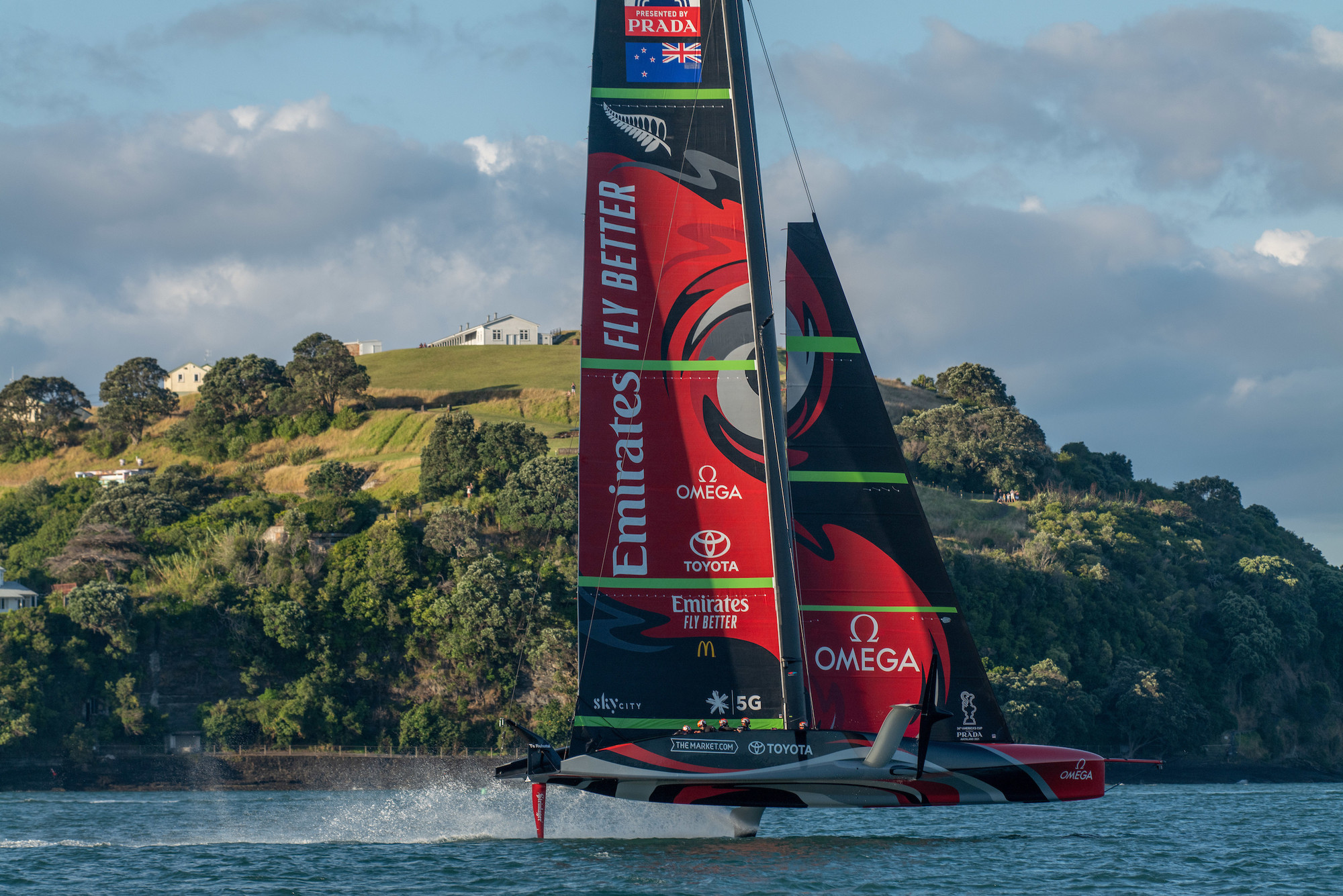
Emirates Team New Zealand, 2017
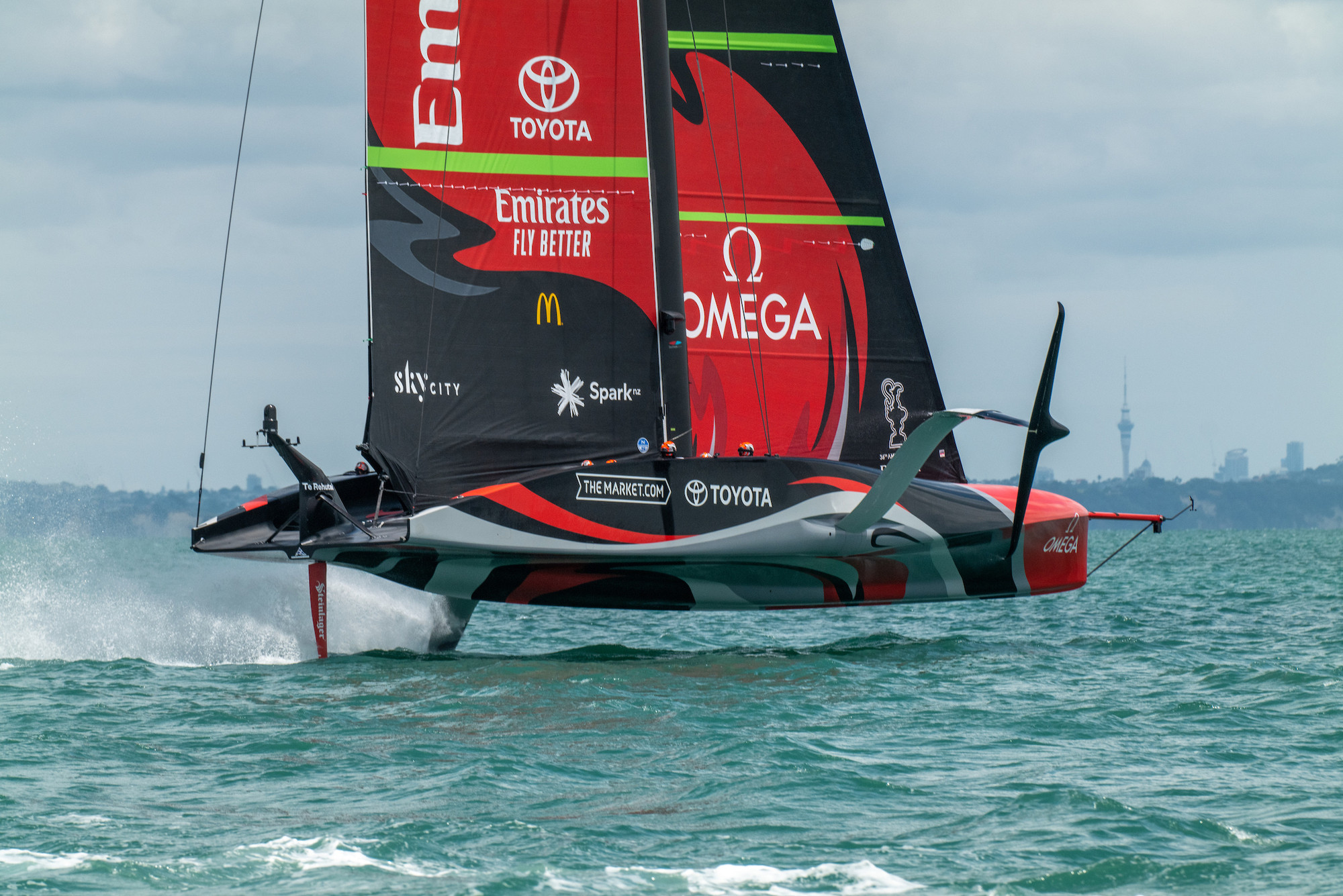
Los barcos de la clase AC75
Why raise the hull out of the water? Because doing so drastically reduces friction and significantly benefits speed. Top speeds are now around 50 knots, or almost 100 kilometers per hour. Boats have evolved to the point that the hulls are designed according to the laws of aerodynamics, rather than those of hydrodynamics, since they remain immersed only when stationary and when maneuvering at reduced speed.
The forces at play
AC75 class boats are 75 feet long (just under 23 meters), weigh 6.5 tons and have a total sail surface area of more than 200 square meters. It is precisely these numbers, and a crew of eleven sailors, that allow them to reach the aforementioned speeds and create the forces that now see sailing classified as an extreme sport in every respect.
Luna Rossa y Team New Zeland, 2000. © Studio Borlenghi
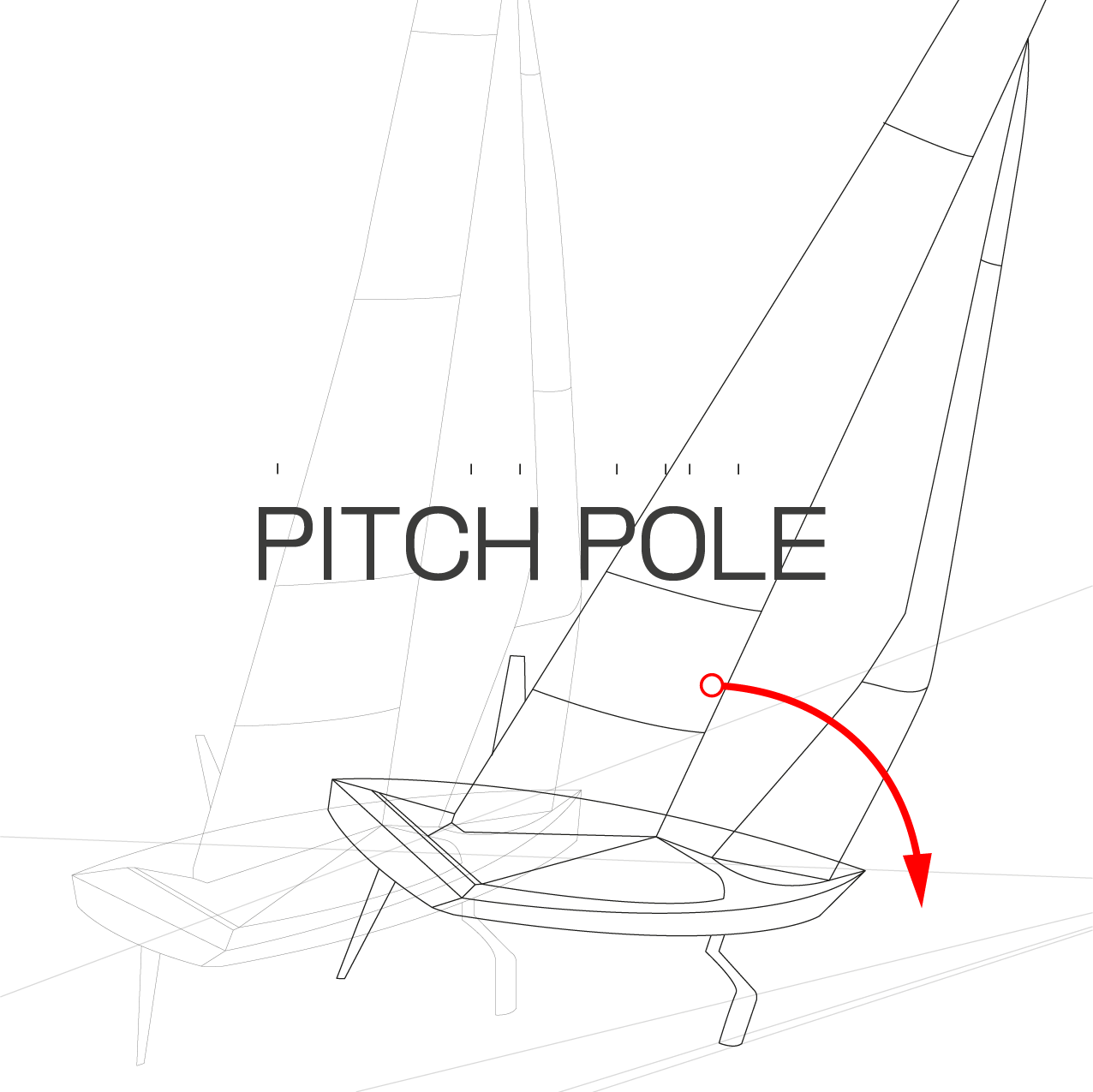
Emirates Team New Zealand, 2017
Los barcos de la clase AC75
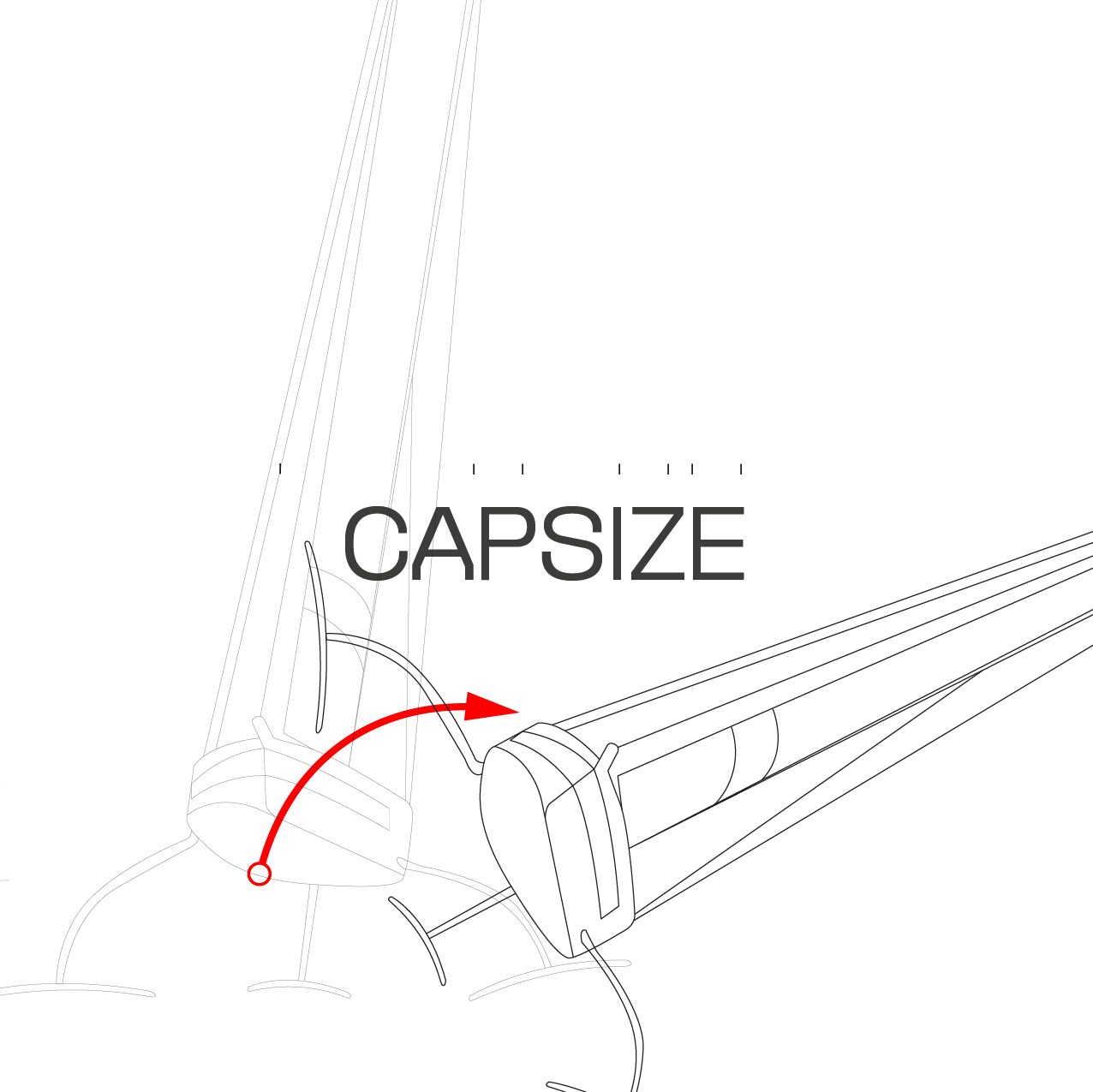
The most classical accident, the capsize
The lateral G-force to which teams are subjected on board reaches 1.5G and, in these extreme situations, any setback can have catastrophic consequences. During the initial stages of the PRADA Cup, the preliminary competition that decides who will be the challenger in the America's Cup, various accidents occurred, one of which caused considerable damage to a boat.
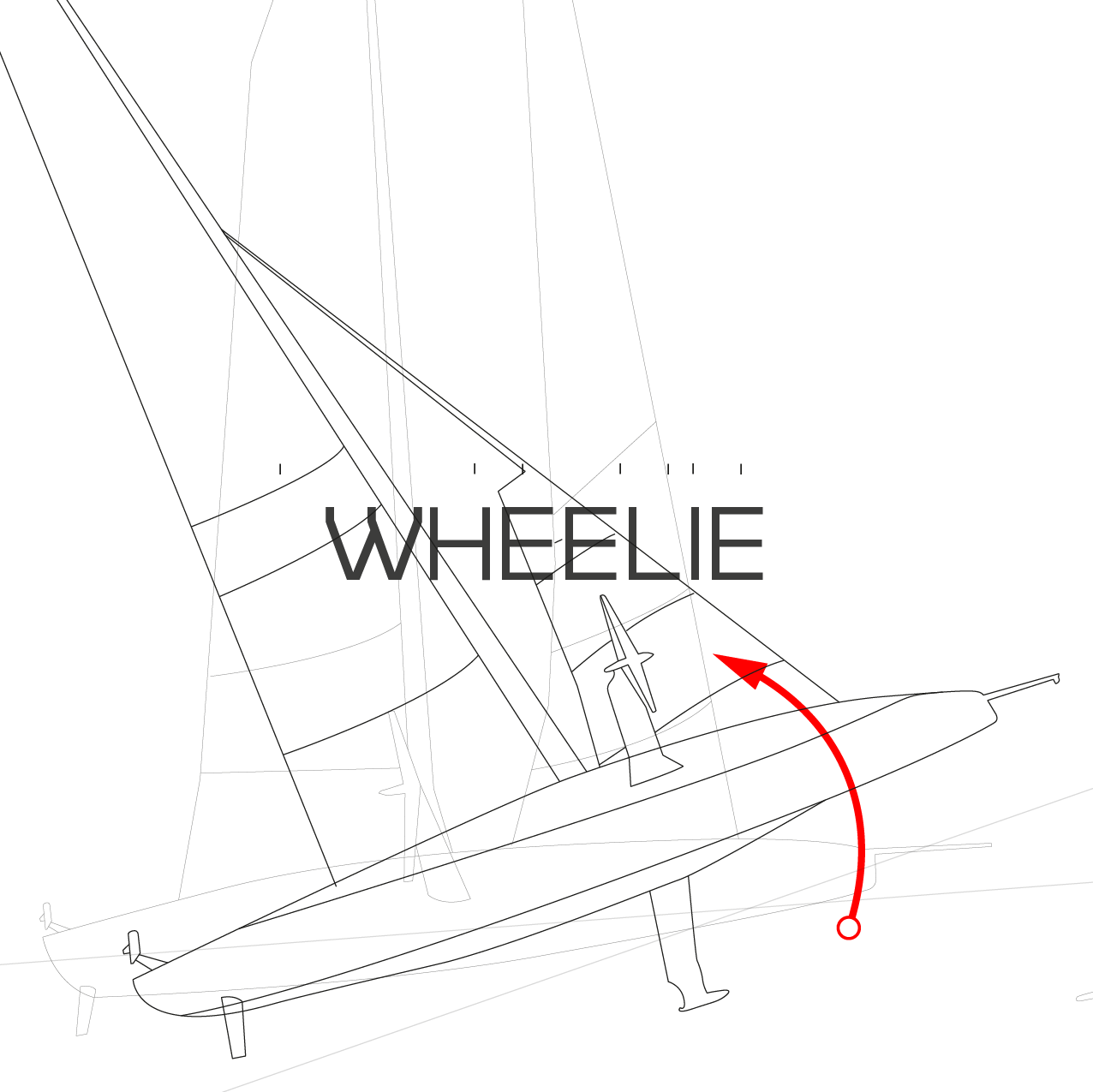
During the round robins, Patriot, American Magic’s monohull, capsized, which caused a leak in the hull and forced the US team to retire. Back in the semifinal race against Luna Rossa Prada Pirelli, Patriot was unable to qualify for the final phase. Other classic accidents to which these boats are prone are the so-called wheelie and the nose-dive, which occurs when the bow sticks into the water and causes a sudden deceleration. Emirates Team New Zealand experienced this during a test race against Ineos Team UK.
var options = { clientId: "dainese", xcontentId: "05412baa-d9d9-46a8-92b4-76dfbb2996ad", sessId: "tbdyoh" }; var player = THRONContentExperience("kjomd", options);
With respect to the flying catamarans of the 35th edition, the flying monohulls of the 36th America's Cup presented by PRADA mark a clear departure from the past and boast increasingly impressive performance. But increased performance also means more risk for the crews. Hence the need for greater on-board safety, as Dainese supports both teams vying for the world’s oldest sporting trophy with its protective technology.